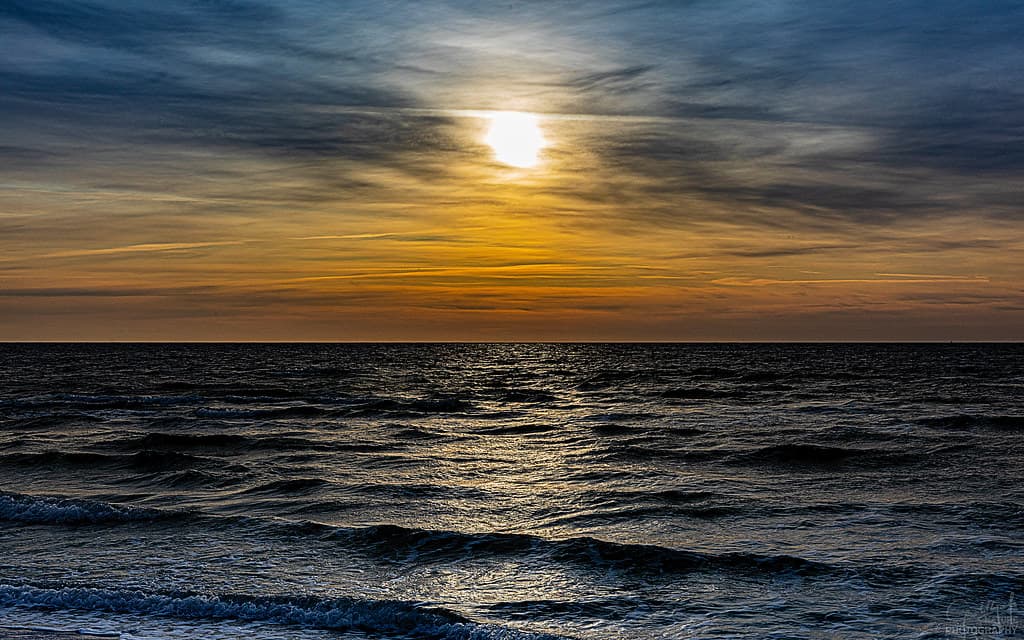
Counting the waves…
Counting the waves…
The S-train deposits you fifteen minutes south of Copenhagen's central station, and a short walk through residential Ishøj delivers you to one of Zealand's broadest public beaches. Pale beige sand spreads in both directions, interrupted only by wooden groynes that stripe the shoreline and a network of timber boardwalks threading through marram-grass dunes. The beach feels defiantly unpretentious—no beach clubs, no imported palms, just honest Baltic coastline where local families spread blankets and children dig moats against the shallow tide. The water here is Baltic-cold even in July, but that doesn't stop the Danes. You'll wade out thirty metres before the sand drops away beneath your feet, making it ideal for tentative swimmers and toddlers clutching inflatable rings. Lifeguards patrol the marked swim zones in summer, and the gently shelving beach means you can always see your towel from the waterline. Behind you, dunes rise high enough to shelter picnickers from the persistent maritime breeze. ARKEN Museum of Modern Art anchors the southern end of the strand, its titanium-clad architecture jutting into Køge Bay like a ship's prow. After hours spent sprawled on the sand, you can rinse off at the public showers and stroll through world-class contemporary exhibitions, still tasting salt on your lips. It's this collision—working-class beach town meets provocative art institution—that gives Ishøj its particular character.
Places, rentals, tours and events within walking and driving distance of Ishøj Strand.
Photos
Ishøj Strand is safe for swimming with water quality regularly monitored by Danish environmental authorities. The sandy bottom and gradual depth make it suitable for families and children. Lifeguards are typically present during peak summer hours. The beach is part of a larger coastal park with well-maintained facilities including changing areas and restrooms. Swimming conditions are generally calm due to Køge Bay's protected waters, though wind can occasionally create waves. As always, supervise children closely and check local conditions before swimming, especially outside the main summer season.
The optimal time to visit Ishøj Strand is between June and August when weather is warmest and all facilities operate fully. July typically offers peak conditions for sunbathing and swimming. For a more peaceful experience with pleasant weather, consider late May or early September when crowds thin but temperatures remain comfortable. Budget travelers benefit from shoulder season visits with lower prices. The beach's scenic qualities make it worthwhile year-round for walks, especially combined with a visit to the nearby ARKEN Museum of Modern Art, which operates throughout the year.
Ishøj Strand is well-connected to Copenhagen by public transport. Take the S-train line A toward Køge and exit at Ishøj station, then either walk approximately 15-20 minutes or take a local bus to the beach. The total journey from central Copenhagen takes roughly 30-40 minutes. By car, follow the Køge Bay motorway (E20/E47) south, exiting toward Ishøj. Parking facilities are available near the beach and ARKEN Museum. The beach is also accessible via coastal cycling paths, making it a pleasant bike ride from Copenhagen for cycling enthusiasts.
Ishøj Strand has a café-restaurant at the beach serving casual meals, snacks, and refreshments during summer. The nearby ARKEN Museum also has a café with scenic views. For more dining variety, Ishøj town center offers pizzerias, ethnic restaurants, and supermarkets. Accommodation directly at the beach is limited, but hotels and budget options exist in Ishøj municipality. Many visitors combine their beach visit with a museum trip and stay in Copenhagen, using the efficient S-train connection. The area caters well to day-trippers rather than extended beach vacations.
Ishøj Strand stands out for its combination of a broad, scenic beach park with proximity to ARKEN Museum of Modern Art, one of Denmark's most important cultural institutions. The beach features distinctive landscaping with dunes and vegetation, creating a more natural aesthetic than many urban beaches. Its location on the south Copenhagen coast offers expansive views across Køge Bay. The beach park design integrates art and nature, reflecting the area's cultural ambitions. This combination of cultural activities and quality beach facilities makes Ishøj Strand appealing for those seeking both seaside relaxation and artistic experiences.