Counting the waves…
Counting the waves…
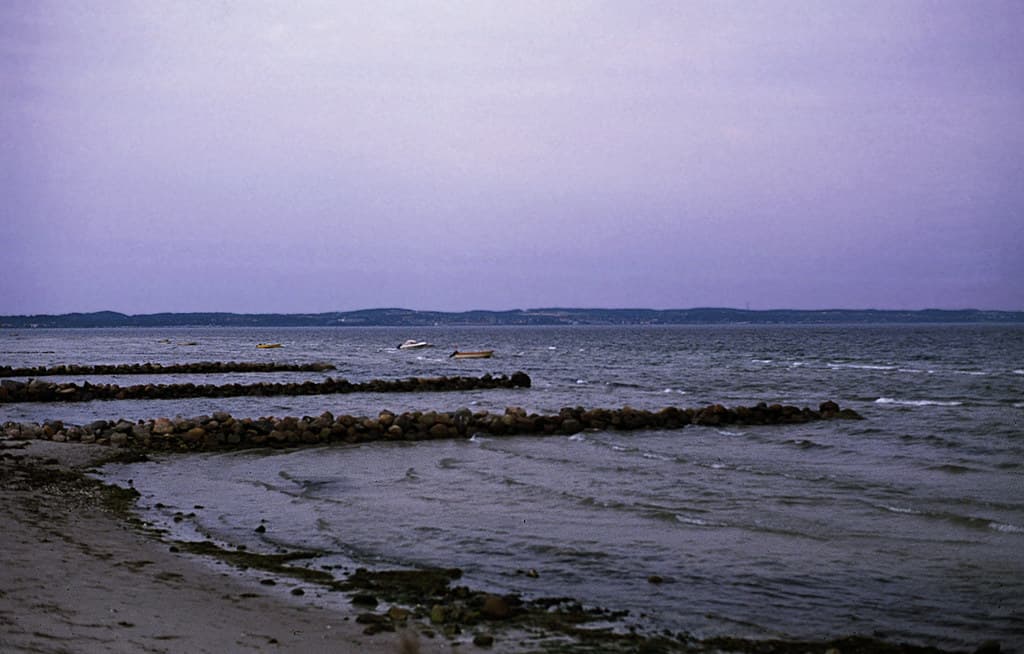
The beach unfolds at the foot of Ebeltoft's tilting lanes, where centuries-old merchants' houses lean toward the water. You step from cobblestones onto fine sand that holds the impressions of barefoot children and the divots left by beach chairs arranged in tidy Danish rows. The shore slopes gently, so you can wade thirty meters before the cool Kattegat reaches your waist. Behind you, the town's wooden frigate rides at anchor, its masts striping shadows across the marina at midday. Locals spread blankets near the bathing jetty, unpacking rye bread and leverpostej from wicker baskets, while holiday visitors rent kayaks that bob in water the color of green glass. When the afternoon breeze picks up, small sailboats tack across the bay, their white canvas snapping. By evening, the beach empties except for a few fishermen casting from the pier. The setting sun paints the half-timbered facades in shades of apricot and rose, and the smell of smoked fish drifts from the smokehouse two streets back. You'll rinse sand from your feet at the public shower, then wander back into town for a beer at one of the harbor cafés, salt still on your skin.
Places, rentals, tours and events within walking and driving distance of Ebeltoft Strand.
Photos
Ebeltoft Strand is generally safe and family-friendly with shallow, gradually deepening waters ideal for children. The beach offers calm conditions on most days, though Baltic waters can be cool even in summer. Lifeguards are not always present, so parental supervision is essential. The sandy bottom and gentle waves make it suitable for young swimmers. Water quality is regularly monitored and typically excellent. Check local weather forecasts before visiting, as winds can occasionally create stronger currents.
The best time to visit Ebeltoft Strand is from June through August when temperatures are warmest and the town is most vibrant. July offers peak beach weather with average highs around 20°C. For budget travelers, May and September provide pleasant conditions with fewer crowds and lower accommodation prices. The beach is accessible year-round, and the historic town of Ebeltoft makes it worthwhile even in cooler months. Weekdays outside Danish school holidays offer the most space and tranquility.
Ebeltoft Strand is located within walking distance of Ebeltoft town center. From Aarhus, drive approximately 50 kilometers east (about one hour) via Route 21. Public buses operated by Midttrafik connect Aarhus to Ebeltoft regularly, with the journey taking 90-120 minutes. From Copenhagen, expect a 3-hour drive or combine train to Aarhus with bus onward. Ample parking is available near the beach. The town is compact, making the beach easily accessible on foot or by bicycle from any accommodation in Ebeltoft.
Ebeltoft's historic town center, just minutes from the beach, offers numerous restaurants, cafés, and ice cream shops serving fresh seafood and Danish cuisine. Accommodation options include charming hotels, guesthouses, and holiday apartments within walking distance of the strand. Several campgrounds and holiday home rentals are available in the surrounding area. The town has supermarkets for self-catering. Booking ahead is recommended during peak summer months, especially July. Many waterfront dining spots offer views over Ebeltoft Bay and the beach area.
Ebeltoft Strand's unique appeal lies in its combination of accessible town beach convenience with proximity to one of Denmark's best-preserved historic towns. The beach serves as a gateway to exploring the cobblestone streets, half-timbered houses, and cultural attractions of Ebeltoft. Its location on the Djursland peninsula makes it a natural base for exploring Mols Bjerge National Park and surrounding coastal areas. The strand offers a perfect blend of beach relaxation and cultural tourism, unlike more remote coastal destinations.