Counting the waves…
Counting the waves…
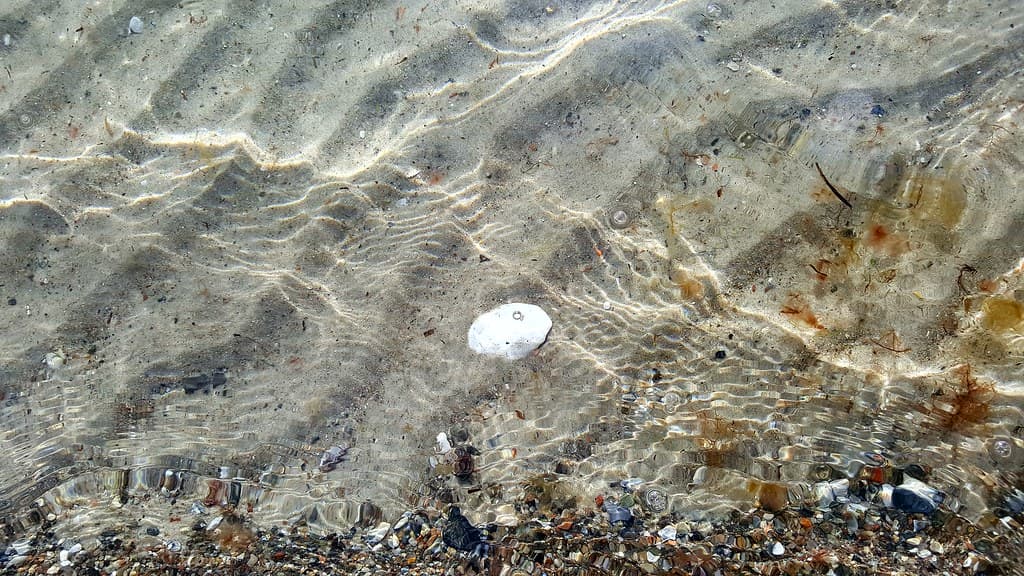
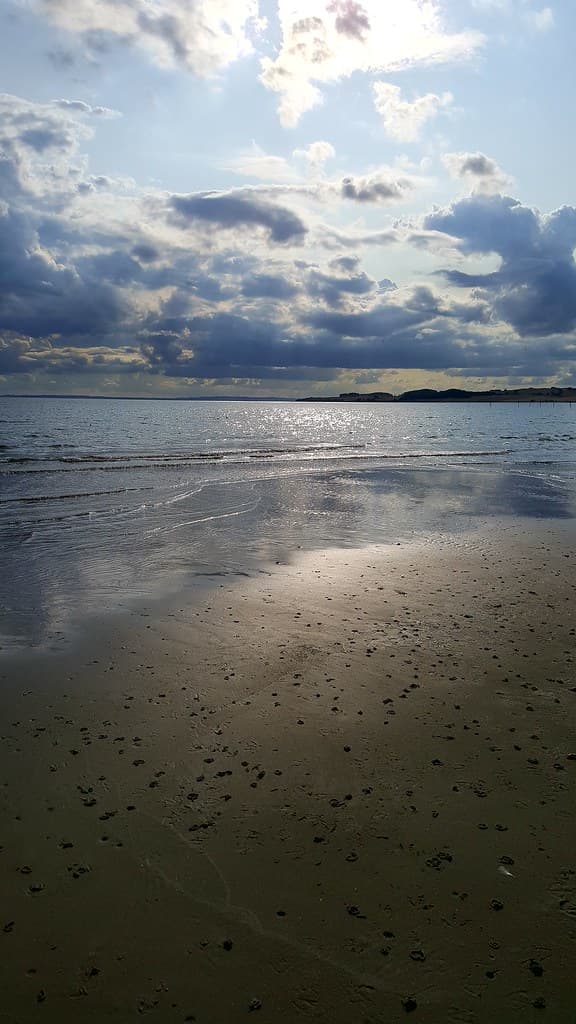
Dragsmur lies along one of the Mols peninsula's narrowest sections, where the land pinches before widening again toward Helgenæs. The beach itself is a slender strip of sand backed by low dunes and scattered beach grass, with the occasional summer house visible through the vegetation. The shore curves gently, giving you long views in both directions—other beaches, distant headlands, the way the coastline articulates itself in subtle folds. The water is typically calm, protected by the peninsula's bulk and the Danish archipelago beyond. What makes this beach compelling is its sense of being off the main circuit. Even in high summer, you'll find stretches of sand occupied only by the occasional family or couple, and midweek it's entirely possible to have a hundred-meter section to yourself. The light here seems particularly fine, perhaps because of the way it reflects off two bodies of water, and photographers prize the golden hour when the bay takes on layers of blue and copper. The beach offers little infrastructure—no kiosks, no facilities—which preserves its quiet character. You come here with everything you need in your bag, spread your towel on sand that still holds the morning's coolness, and spend hours doing very little. By late afternoon, as shadows lengthen and the water takes on evening's deeper tones, the beach feels like a secret you're reluctant to share.
Places, rentals, tours and events within walking and driving distance of Dragsmur Strand.
Photos
Dragsmur Strand offers generally safe swimming conditions with its sandy bottom and gradual depth increase. The beach is relatively sheltered within Aarhus Bay, resulting in calmer waters than exposed coastlines. However, there are no lifeguards on duty, so swimmers should exercise caution and supervise children closely. Water quality is typically good, though it's advisable to check current conditions with local authorities during your visit. The narrow beach means limited space during high tide. Currents are usually mild, but always assess conditions before entering the water, particularly on windy days.
For fewer crowds, visit Dragsmur Strand on weekdays during June or late August through early September when Danish school holidays end. The beach is quieter than beaches closer to Aarhus city, but summer weekends still attract families from nearby towns. Early mornings and late afternoons offer more solitude even during peak season. May and September provide pleasant weather with minimal visitors, though water temperatures are cooler. The beach's location near Knebel village means it never becomes extremely crowded compared to major resort beaches, making it ideal for those seeking a peaceful coastal experience.
Dragsmur Strand is approximately 30 kilometres east of Aarhus. By car, take Route 15 toward Mols and follow signs to Knebel; the drive takes about 35-40 minutes. Parking is available near the beach access points along Dragsmur Strandvej. Public transport options are limited; bus services to Knebel exist but may require connections and careful schedule planning. Cycling is feasible for experienced riders, taking roughly 1.5-2 hours from Aarhus via coastal routes. The beach is well-marked once you reach Knebel village. Having your own transport is recommended for convenience.
Knebel village, just inland from Dragsmur Strand, offers basic amenities including a small grocery store for picnic supplies and a local restaurant or café. For more dining variety, the town of Ebeltoft is about 10 kilometres away with numerous restaurants and cafés. Accommodation options in the immediate area include holiday home rentals, which are popular throughout the Mols region. A few bed-and-breakfasts operate in Knebel and surrounding villages. For hotel accommodation, Ebeltoft provides more choices. Many visitors prepare their own meals in rental cottages and enjoy beach picnics.
Dragsmur Strand stands out for its distinctive narrow strip of sand nestled between low cliffs and the bay, creating an intimate coastal setting. The beach offers excellent views across Aarhus Bay, with the city skyline visible on clear days, providing a unique perspective of the region's geography. Its position on the Mols isthmus means you're never far from both eastern and western coastlines. The beach has a quieter, more authentic character than developed resort areas, attracting those who appreciate unspoiled natural settings. The surrounding landscape combines beach, meadows, and coastal vegetation distinctively.