Counting the waves…
Counting the waves…
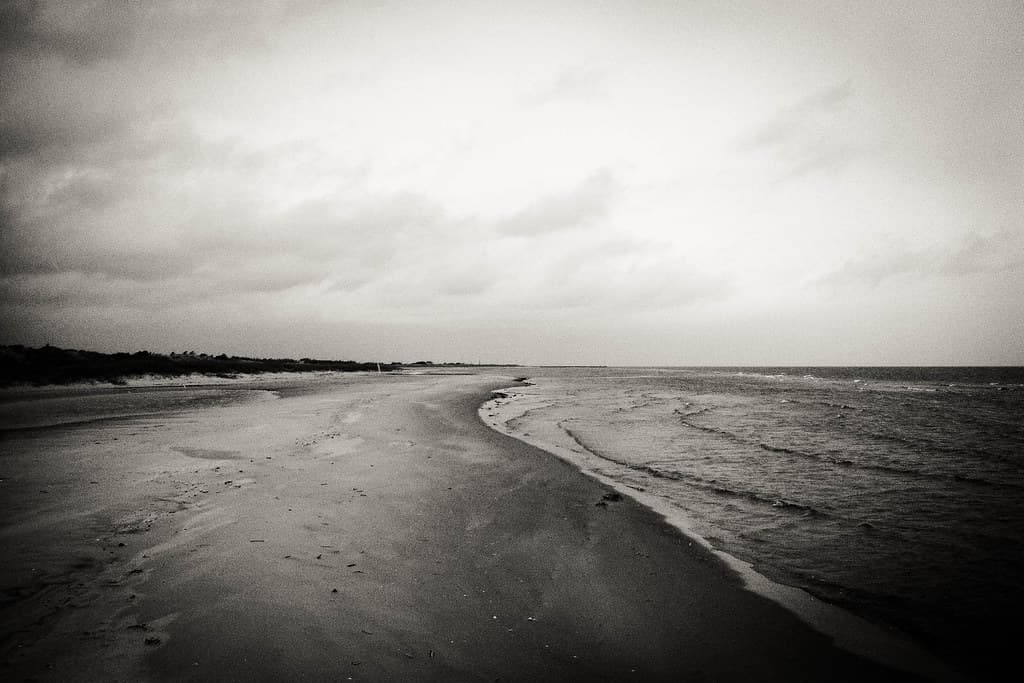
Hals Beach unfolds along the narrow strait where the Limfjord empties into the Kattegat, giving you two maritime personalities in one visit. The sand runs fine and pale, packed firm near the tideline where jogging tracks and bicycle tire treads crisscross each morning. Behind you, marram grass holds the low dunes in place, and stands of Scotch pine provide pockets of shade when the afternoon sun grows insistent. The beach's shallow gradient makes it a magnet for families—toddlers crouch in ankle-deep water while their older siblings float on inflatables fifty meters out. On weekends, beachgoers set up windbreaks fashioned from striped canvas, a Danish seaside tradition that transforms the strand into a patchwork of temporary shelters. The town of Hals, a five-minute walk away, was once a fortress guarding the sound; its half-timbered houses and small marina lend a working-waterfront authenticity absent from resort towns. You can watch fishing boats navigate the channel on their way to the open sea, their engines thrumming low as they pass the beach. The water here carries a brackish tang—less salty than the ocean beyond the strait, but refreshing enough to rinse away the heat of a July afternoon. When the wind shifts northeast, small waves lap the shore; on calmer days, the surface mirrors the sky in shades of slate and pewter.
Places, rentals, tours and events within walking and driving distance of Hals Beach.
Photos
Hals Beach is generally considered family-friendly and suitable for swimming with children. The sandy beach and relatively calm waters make it accessible for young swimmers. However, its location near the Kattegat outlet means conditions can vary, and currents may occasionally be stronger than in more sheltered fjord areas. Always check local weather and water conditions before swimming, supervise children closely, and stay aware of any posted safety information. The beach's popularity with families suggests it has a good safety record, but standard water safety precautions should always be observed.
Hals Beach can be visited anytime throughout the year, though the warmest and most popular period is June through August when swimming is most comfortable. The beach's 'Best Weather' designation suggests summer offers optimal conditions, but its 'Anytime' tag indicates year-round appeal for coastal walks and scenery. Spring and autumn can be lovely for beach strolls with fewer crowds. Winter visits offer dramatic coastal atmospheres. For swimming and sunbathing, target June to August. For day trips combining beach time with exploring historic Hals town, late spring through early autumn provides the best balance of weather and accessibility.
Hals Beach is easily accessible from Aalborg, located approximately 30 kilometers northeast of the city. By car, follow Route 595 toward Hals, which takes about 30-40 minutes. Public transportation is available via local bus services connecting Aalborg and Hals, making it feasible for day trips without a car. Once in Hals town, the beach is within walking or short cycling distance. The proximity to Aalborg makes this beach particularly convenient for visitors staying in North Jutland's largest city. Parking is typically available near the beach area during the summer season.
The historic town of Hals, adjacent to the beach, offers several dining options including cafés, restaurants, and ice cream shops catering to beach visitors and tourists. You'll find traditional Danish fare and seafood options. Accommodation ranges from holiday apartments and bed-and-breakfasts in Hals itself to larger hotels in nearby Aalborg. Summer cottages and vacation homes are available for rent in the area. Given Hals' appeal as a day-trip destination, many visitors base themselves in Aalborg and drive over. The town's compact size means most amenities are within easy walking distance of the beach.
Hals Beach's distinctive feature is its strategic position where the Limfjord meets the Kattegat Sea, creating a unique transitional coastal environment. This location offers different water characteristics than purely inland fjord beaches while remaining more sheltered than fully exposed North Sea coasts. The adjacent historic Hals town, with its old fortifications and maritime heritage, adds cultural interest beyond typical beach visits. The combination of accessible sandy beach, historic atmosphere, and proximity to Aalborg makes it particularly valuable for day trips blending beach relaxation with sightseeing. Its dual fjord-sea character creates distinctive scenery and conditions.