
Counting the waves…
Counting the waves…

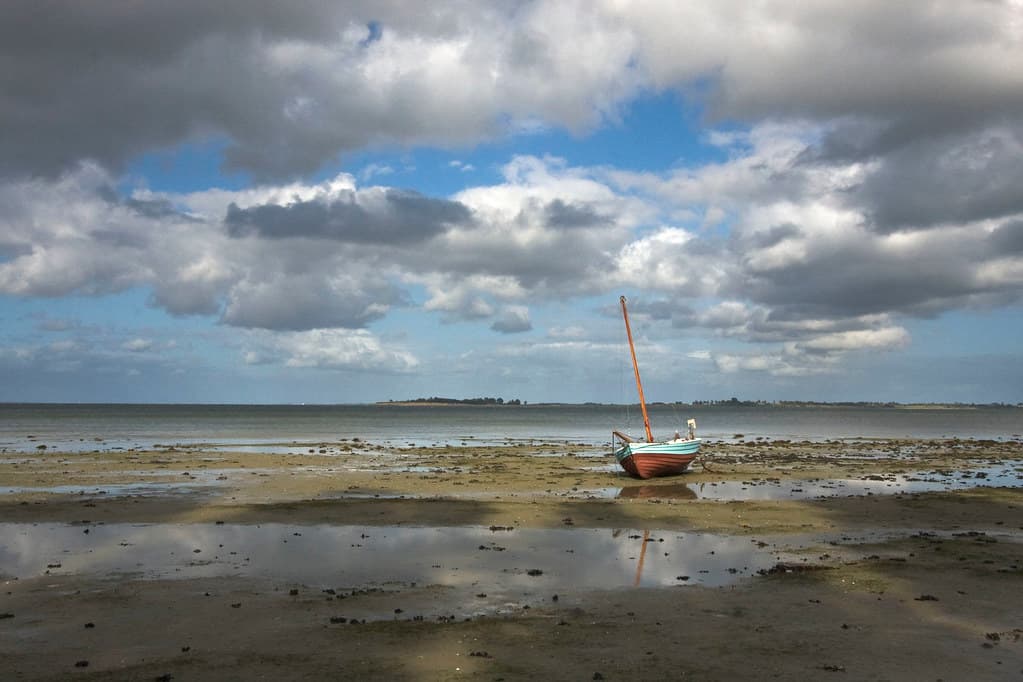
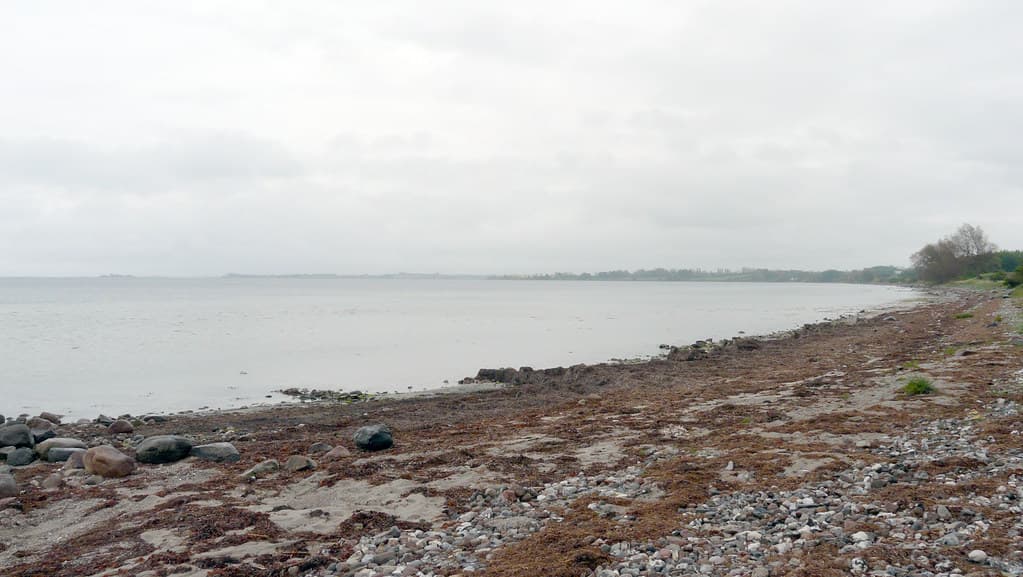
The road to Vitsø Strand threads through farmland dotted with half-timbered cottages, then opens suddenly onto a sweep of beach that feels more Swedish archipelago than Danish isle. Marram grass anchors the low dunes; shells collect in ridges along the tideline. The sand here is fine and cool underfoot, even on rare warm afternoons, and the water stays shallow for dozens of meters—ideal for wading but rarely swimmable beyond chest-deep. This is Ærø stripped to essentials: no boardwalks, no snack bars, no lifeguard towers. You park in a gravel pull-off, cross a narrow footpath, and claim your stretch of shore. Late spring and early autumn bring the kindest weather—temperatures that coax locals out for post-work strolls but keep tour buses anchored in Ærøskøbing. The light here is the real attraction: low-angled and honey-gold, it gilds the distant Als coastline and turns the shallows opalescent. Sunset transforms Vitsø into a minor amphitheater. Families spread blankets, thermoses appear, and everyone pivots west as the sky bleeds apricot, then plum. The sun sinks slowly here, unrushed as everything else on Ærø, and when it finally slips below the horizon, you'll understand why islanders guard this western edge so jealously.
Places, rentals, tours and events within walking and driving distance of Vitsø Strand.
Photos
Swimming at Vitsø Strand is generally safe during calm conditions, with a sandy bottom and gradual depth that makes entry comfortable. However, as a west-facing beach on Ærø's exposed coast, it can experience stronger winds and currents than sheltered eastern shores. Always check weather conditions before swimming, and avoid the water during storms or high winds. There are no lifeguards on duty, so swim at your own risk and supervise children carefully. The remote location means help may be far away in emergencies. The beach's open setting provides good visibility of conditions.
Visit Vitsø Strand between late May and September for the most pleasant weather and swimmable water temperatures. July and August offer the warmest conditions, though Ærø remains relatively uncrowded even in peak summer. For spectacular sunsets over the water, the beach is magical during clear evenings from May through August when the sun sets over the western horizon. Early summer (June) and early autumn (September) provide fewer visitors and still-comfortable temperatures. The exposed west coast location means this beach can be windier than Ærø's sheltered spots, so check forecasts.
Reaching Vitsø Strand requires first getting to Ærø island via ferry from Svendborg (Funen) to Ærøskøbing, or from Faaborg to Søby. From Ærøskøbing, drive or cycle west approximately 8-10 kilometres toward the island's west coast, following local roads toward Vitsø. The beach is somewhat remote and may require attention to signage or GPS navigation. Parking is typically available near the beach, though facilities are minimal. Cycling is popular on Ærø and offers a scenic route to the beach. The journey's remoteness is part of the beach's appeal for those seeking solitude.
Vitsø Strand is a remote beach with no facilities, shops, or restaurants directly on-site, which contributes to its hidden, low-key character. Visitors should bring all necessary supplies including food, water, and sun protection. The nearest services are in the island's villages: Ærøskøbing (east coast) offers the most extensive dining, accommodation, and shops, while Marstal and Søby provide additional options. Several holiday rentals and bed-and-breakfasts are scattered across the island. The lack of development preserves the beach's natural, peaceful atmosphere, so plan to be self-sufficient during your visit.
Vitsø Strand's west-facing orientation on Ærø's exposed coast makes it one of Denmark's excellent sunset beaches, with unobstructed views across the open water toward the horizon. During summer months, the sun sets directly over the sea, creating dramatic sky colours reflected in the water and sand. The remote-feeling location and open landscape mean minimal light pollution and few obstructions, enhancing the sunset experience. The combination of wide sky, sandy beach, and distant horizon creates a contemplative, romantic atmosphere. Photographers and couples particularly appreciate this natural spectacle, especially during clear evenings from May through August.