Counting the waves…
Counting the waves…
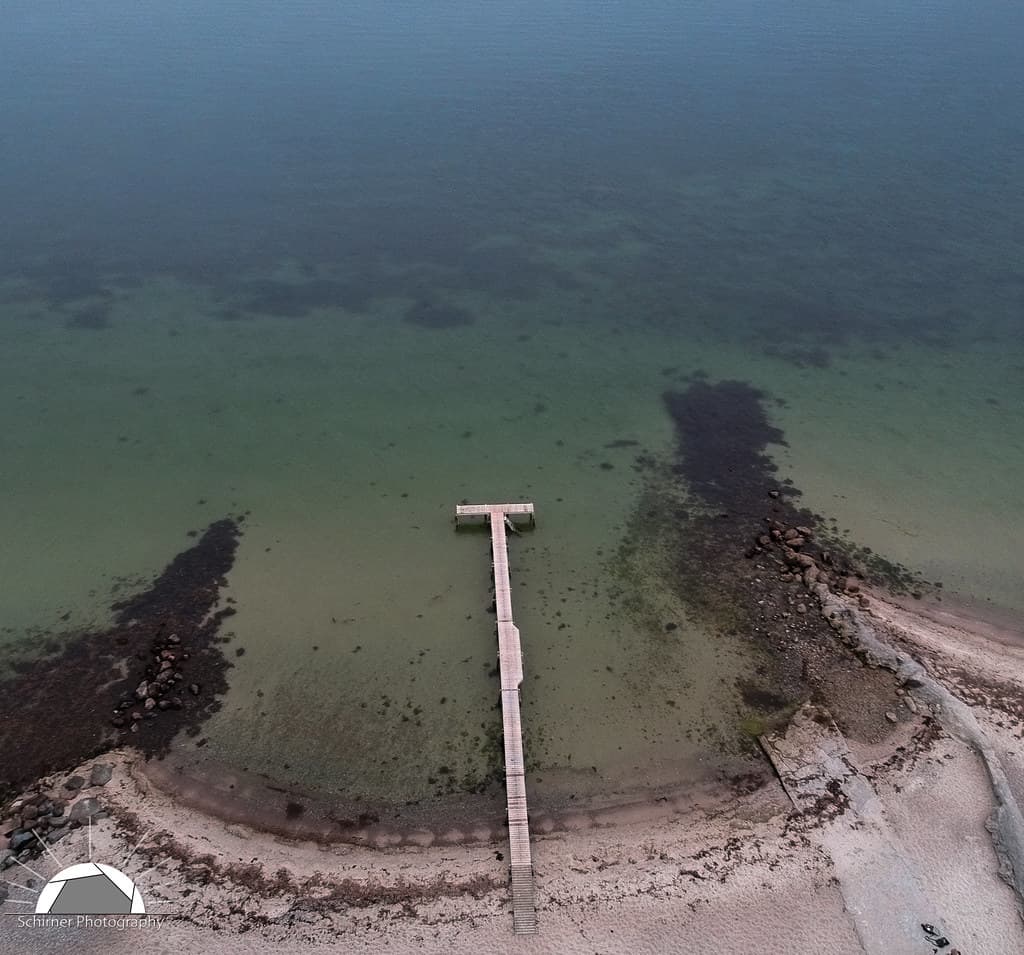
Årøsund Strand sits tucked against the harbour wall, where white-hulled sailboats bob on their moorings and the occasional ferry chugs toward Årø island just across the strait. The beach itself is modest—a ribbon of pale sand barely wider than a volleyball court at high tide—but it captures the unhurried rhythm of Denmark's southern Baltic coast. Children wade into calm, knee-deep water that warms under summer sun, while gulls call from wooden pilings slick with green algae. The real draw is proximity. You can swim before breakfast, walk the harbour promenade for fresh-caught plaice at the smokehouse, then catch the fifteen-minute ferry to Årø for afternoon cycling through heather-covered dunes. The beach functions less as a destination than as a natural extension of the village, where locals park beach chairs in the same spot each July and visitors pause between island-hopping legs along the Little Belt. Come during the long Scandinavian twilight when the harbour lights blink on and the water takes on the colour of hammered pewter. You'll hear the clink of rigging against masts, watch someone hosing down their dinghy, and understand why Årøsund feels like a working waterfront that happens to have a beach—not the other way around.
Places, rentals, tours and events within walking and driving distance of Årøsund Strand.
Photos
Årøsund Strand is suitable for swimming, though it's a relatively small beach area situated near the harbour. Water quality is generally good, and the location in the Little Belt strait provides reasonably calm conditions. The beach serves primarily as a convenient swimming spot for those staying in the area or waiting for the ferry to Årø island. Facilities are basic, and the beach is more functional than expansive. The harbour setting means boat traffic is present, so be aware of your surroundings when swimming. Families can swim here, but supervision is important.
Årøsund Strand is best visited during summer months when the weather is warmest and the ferry to Årø island operates on full schedules, creating a lively harbour atmosphere. The beach works well as part of a broader coastal visit or island-hopping adventure rather than a standalone beach destination. Weekdays tend to be quieter than weekends. The harbour-side location means it has a pleasant vibe year-round, with the beach area most active June through August. Consider visiting when planning to catch the ferry to Årø for a combined beach and island experience.
Årøsund Strand is located in the small harbour town of Årøsund, approximately 30 kilometers from Haderslev. By car, follow Route 170 south from Haderslev toward the coast, then turn toward Årøsund. The beach is easy to find near the harbour and ferry terminal. Parking is available in the town. Public bus services may connect to Årøsund from larger towns, though schedules can be limited. The compact town means everything is walkable once you arrive. The ferry to Årø island departs from the adjacent harbour, making this a natural stopping point.
Årøsund is a small harbour town with some local facilities including cafes or restaurants near the harbour area, though options are limited compared to larger towns. Accommodation may include small inns, holiday rentals, or bed and breakfasts, but availability varies seasonally. For more extensive dining and lodging choices, visitors often stay in Haderslev or other nearby towns and visit Årøsund as a day trip. The harbour setting typically offers at least one eatery serving travellers catching the ferry. Bringing provisions is sensible if you have specific dietary needs.
Årøsund Strand's unique character stems from its harbour-side location and role as a gateway to Årø island. Unlike remote, hidden beaches, this spot has a working harbour vibe with ferry activity creating atmosphere and interest. The beach area is smaller and more functional, serving coastal visitors and island-hoppers rather than traditional beachgoers. Its proximity to the ferry makes it ideal for combining beach time with island exploration. The town setting provides more immediate access to facilities than rural beaches, creating a different, more social coastal experience with maritime character.