Counting the waves…
Counting the waves…

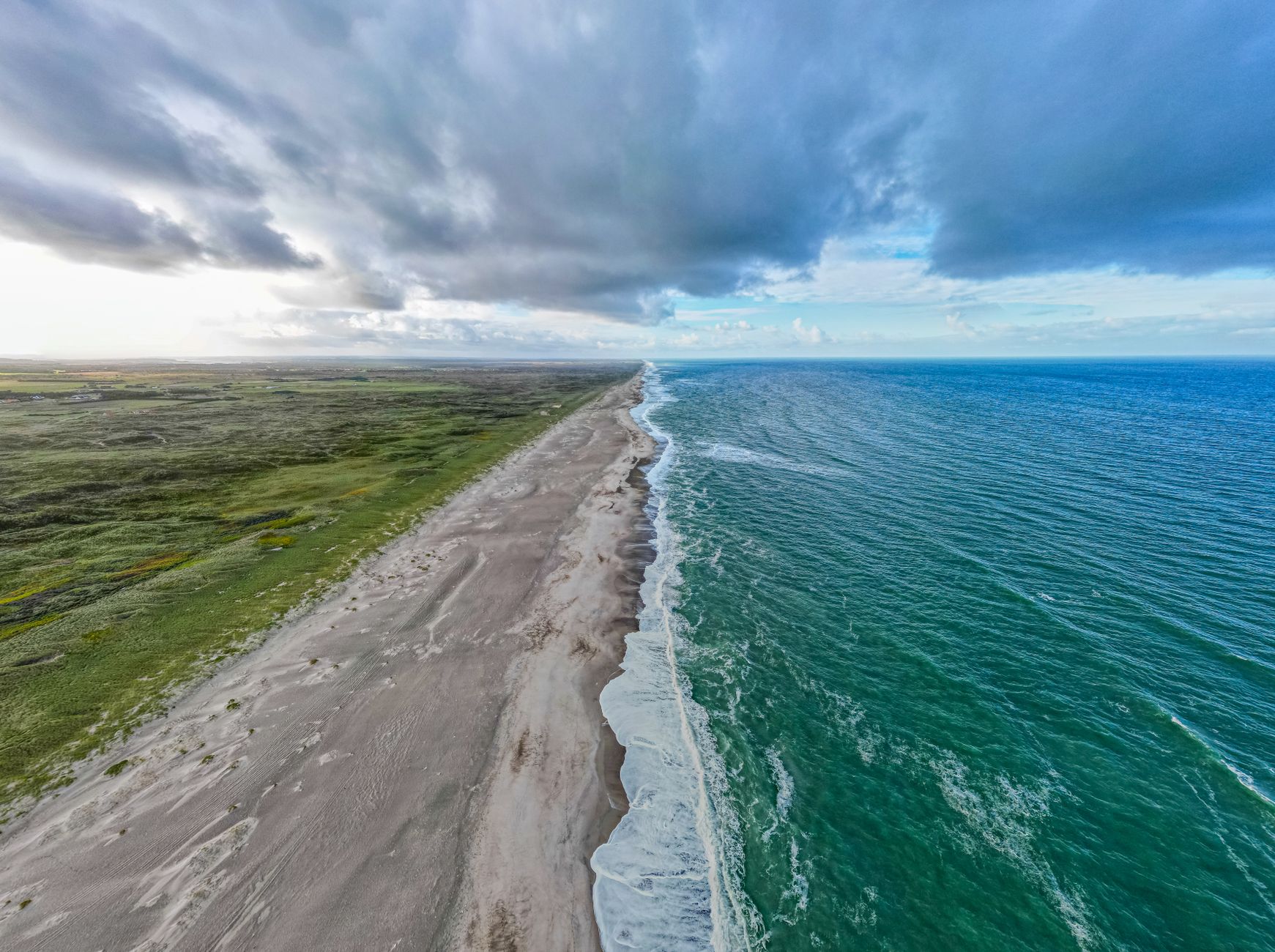
The drive down Strandvejen narrows as you approach, vacation cottages with red-tile roofs appearing between stands of pine and wild rose. You park on sandy verges near the access paths, where hand-painted signs point toward the water. The beach unfurls in both directions—a ribbon of blonde sand barely visited even in July, backed by low dunes that shelter picnic blankets from the wind. Children wade knee-deep fifty meters from shore; the Baltic here slopes so gently that the water stays bath-warm by afternoon. You spread your towel near a driftwood log smoothed silver by decades of tides, and the only sounds are gulls and the occasional bicycle bell from the coastal path. A few sailboats tack lazily offshore, their sails bright against the muted Scandinavian sky. This is Zealand's antidote to Copenhageners' crowded city beaches—a place where beach chairs face the water in solitary pairs, where dogs run unleashed at dusk, and where the kiosk (if it's open) sells soft-serve and nothing more. You'll leave with sand in your shoes and the quiet satisfaction of a beach that asks nothing of you but presence.
Places, rentals, tours and events within walking and driving distance of Råbylille Strand.
Photos
Råbylille Strand is generally safe for family swimming, with shallow sandy entry and calm waters typical of the southern Møn coastline. The beach lacks lifeguards, so supervision is essential. Water quality is typically good during summer months. The sheltered location means waves are usually gentle, making it suitable for younger swimmers. Check local weather conditions before visiting, as wind can affect conditions. The low-key atmosphere means fewer crowds, but also limited emergency services nearby.
The best time to visit Råbylille Strand is June through August for warmest weather and swimming conditions, with July offering peak temperatures. For fewer crowds and a more peaceful experience, visit in May, early June, or September when the beach retains its quiet character. Weekdays are significantly less busy than weekends throughout summer. The shoulder seasons offer pleasant walking and scenery, though water will be cooler. This beach is ideal for travelers seeking tranquility rather than bustling beach scenes.
Råbylille Strand is located on the island of Møn in southern Zealand, accessible by car via Route 287. From Copenhagen, drive approximately 120 kilometers south, crossing the Møn bridge at Kalvehave. Public transport is limited; buses run from Stege, the main town on Møn, but schedules are infrequent. A rental car is highly recommended for flexibility. The beach has roadside parking near the shore. Plan your route carefully as GPS coverage can be unreliable in rural areas.
Råbylille is a small settlement with limited dining options; most visitors stay in holiday homes or cottages available for weekly rental in the area. The nearest restaurants and shops are in Stege, about 15 kilometers away, or in other Møn villages. Self-catering is common here. Accommodation consists mainly of vacation rentals and farmstays rather than hotels. Stock up on groceries before arriving. The quiet, residential character means few commercial facilities directly at the beach itself.
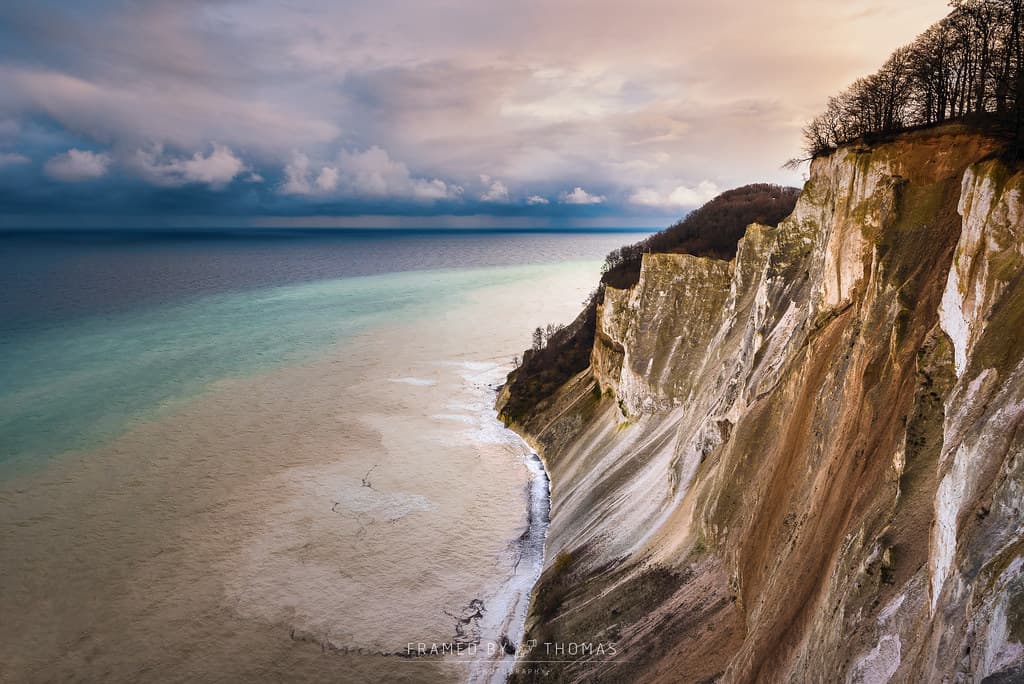
Råbylille Strand stands out for its exceptionally quiet, residential atmosphere, attracting mainly Danish families with holiday homes rather than day-trippers. The natural dunes and undeveloped shoreline create an authentic, low-key coastal experience. Unlike the dramatic Møns Klint cliffs on the eastern side, this western beach offers gentle terrain and calm waters. The local character is preserved with minimal facilities, appealing to travelers seeking peaceful nature and traditional Danish summer cottage culture rather than tourist infrastructure or activities.