Counting the waves…
Counting the waves…

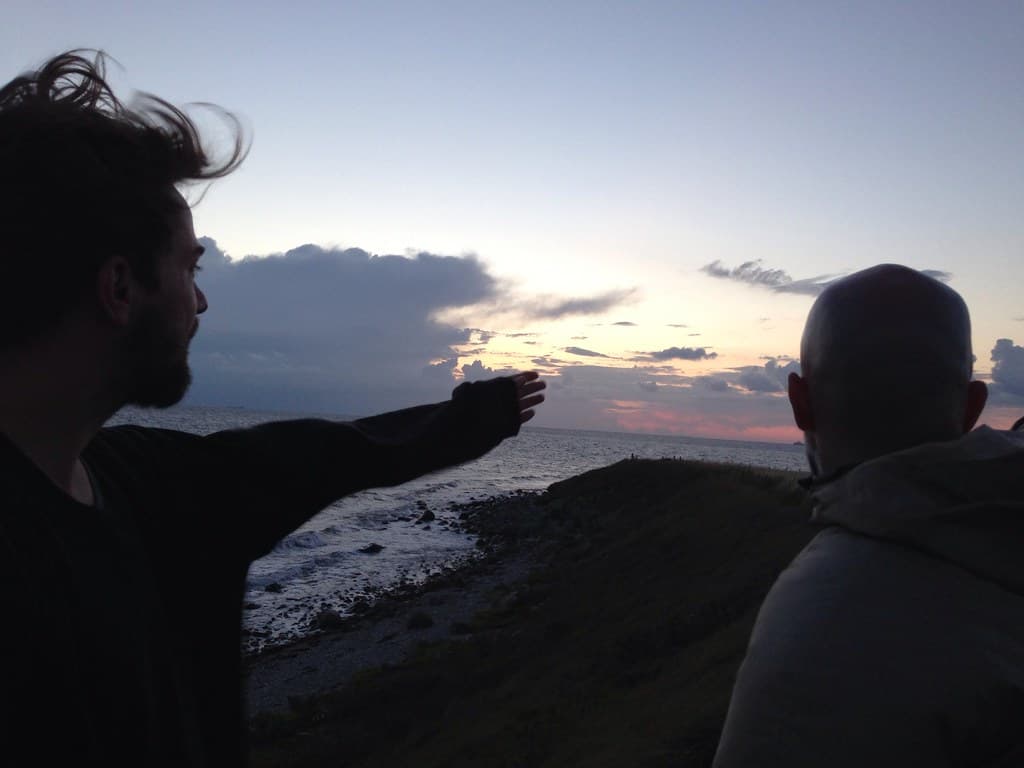
You step off the ferry onto Sejerø and realize the island runs on bicycle time—no cars, no rush, just gravel paths threading past low farmhouses and grazing sheep. Gniben Beach sprawls along the northern edge, a pebble crescent where gulls outnumber people and the only soundtrack is stone grinding against stone with each retreating wave. The rocks underfoot are grey, tan, and rust-streaked, worn smooth by centuries of tidal polish. Bring sturdy shoes; this isn't sand-between-your-toes territory, but the footing rewards you with tidepools trapped in rock hollows and driftwood bleached bone-white by salt air. Sunset here is a slow ceremony. Light pours across Sejerø Bay, turning the water from slate to copper, and the western sky burns through every shade of amber you didn't know existed. You'll likely watch it alone, or nearly so—Sejerø draws fewer than a hundred year-round residents, and most visitors never venture past the small harbor village. The isolation is the point. Pack a thermos and a windbreaker. The breeze off the Kattegat has teeth even in summer, but it also carries the scent of seaweed and open water, that particular Baltic mix of brine and distance. When you finally turn back toward the island's interior, your pockets will be heavy with stones you couldn't resist picking up.
Places, rentals, tours and events within walking and driving distance of Gniben Beach.
Photos
Swimming at Gniben Beach is generally safe during calm conditions, though the pebble shore and relatively remote location mean no lifeguard services are available. The water deepens more quickly than at sandy beaches, so supervise children carefully. Sejerø's exposed position can create currents and waves during windy weather, so check conditions before entering the water. The island's isolation means emergency services would take longer to arrive. Most visitors enjoy paddling and coastal walks rather than extended swimming. Always inform someone of your plans when visiting remote beaches.
Visit Gniben Beach May through September when ferry service to Sejerø is most frequent and weather is mildest. June through August offers the warmest temperatures, though July and August see more visitors. The beach is particularly beautiful at sunset, with western exposure providing excellent evening light. Shoulder seasons (May, September) offer solitude and dramatic coastal scenery with fewer tourists. Ferry schedules are reduced outside summer, so plan accordingly. Weekdays are quieter than weekends. Check weather forecasts, as the island's exposed location can be windy.
Reaching Gniben Beach requires taking a ferry to Sejerø island. Ferries depart from Havnsø on northwest Zealand (about 90 minutes from Copenhagen by car). The ferry crossing takes approximately 50 minutes and operates year-round with varying schedules; summer offers more frequent departures. Book vehicle space in advance during peak season. Once on Sejerø (a small island with limited roads), Gniben Beach is accessible by bicycle or on foot; some visitors bring cars but walking or cycling suits the island's scale and character perfectly.
Sejerø is a small island with limited facilities. Accommodation options include a handful of holiday rentals, bed-and-breakfasts, and camping possibilities; book well ahead for summer. The island has one small grocery store and a seasonal café or two, but dining options are minimal. Most visitors bring food supplies from the mainland or self-cater in rental accommodation. The island's remote character is part of its appeal, so come prepared with provisions. Havnsø on the mainland offers more restaurants and shops near the ferry terminal.
Gniben Beach embodies true remote coastal discovery, accessible only by ferry to the small, uncommercial island of Sejerø. Unlike mainland beaches, it offers genuine isolation and an away-from-it-all atmosphere that appeals to explorers seeking undiscovered Denmark. The pebble shoreline, dramatic sunset views across Sejerø Bay, and the journey required to reach it create a sense of adventure. The beach remains largely off tourist maps, attracting independent travelers and nature enthusiasts rather than crowds. It's Denmark's coastal experience for those willing to venture beyond easy reach.