Counting the waves…
Counting the waves…
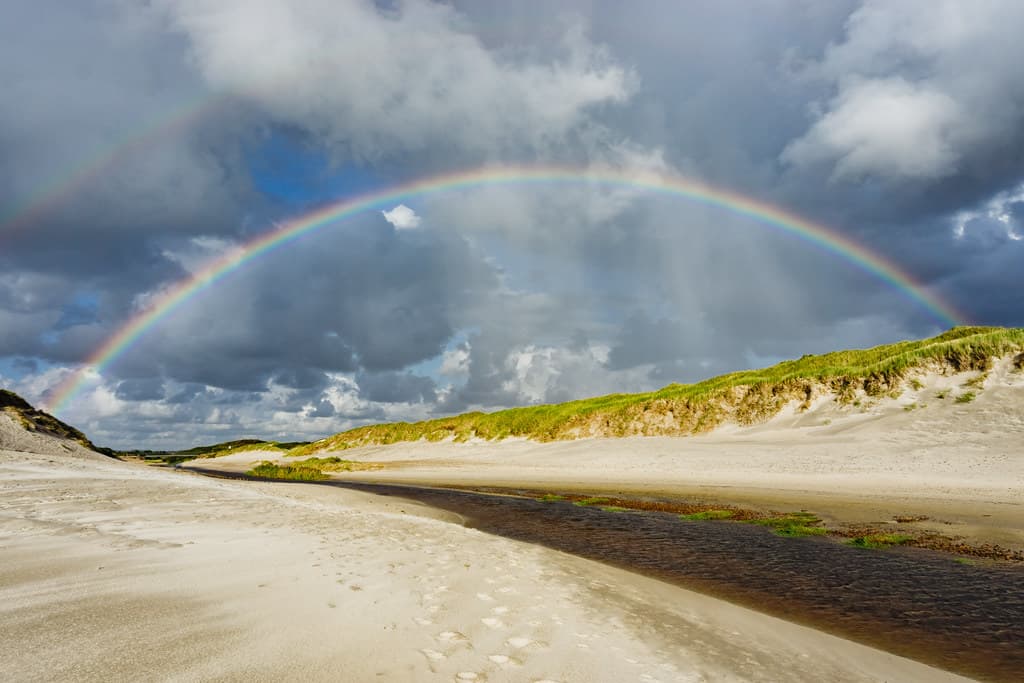
The approach tells you everything: gravel roads narrowing through dense pine plantation, then sudden openness where the forest yields to a dune system that rolls toward the North Sea like frozen swells. You park beneath the canopy and walk planked paths that creak underfoot, emerging onto sand the color of raw linen that stretches unbroken for miles in both directions. This is not Mediterranean ease. The wind here has teeth, even in July, and the water temperature hovers around 17 degrees Celsius through summer. But that's precisely the appeal for the Danish and German families who return each season to timber summer houses tucked into the forest edge. They come for beach walks that last hours without encountering anyone, for the particular quality of light that turns the dunes amber at eight o'clock, for children who can run themselves ragged without supervision. You won't find beach clubs or rental umbrellas. What you will find: tidal pools warm enough for small feet, driftwood smoothed to sculpture, and sunsets that ignite the entire western sky while the forest behind you goes violet. The locals bring thermoses of coffee and woolen blankets, settling into the sand as if staking claim to silence itself.
Places, rentals, tours and events within walking and driving distance of Houstrup Strand.
Photos
Houstrup Strand is an unguarded beach where families must exercise caution when swimming. The North Sea can produce strong currents and undertow regardless of how calm it appears. No lifeguards are on duty, so parents must supervise children constantly and assess water conditions personally. The beach's family-friendly reputation relates more to its spaciousness and setting than supervised swimming. Teach children about ocean safety and keep them within arm's reach in the water. During calm summer days, paddling in shallow areas can be enjoyable, but always respect the sea's power and unpredictability.
Houstrup Strand is best visited during summer months (June-August) when weather is warmest and families are vacationing, though it remains relatively uncrowded even in peak season. The beach shines during good weather when the sun illuminates the forest-backed dunes and the North Sea turns inviting shades of blue and green. For fewer visitors, choose weekdays or visit in late spring (May) or early autumn (September) when temperatures are still pleasant. Sunset visits are particularly rewarding year-round. Winter offers dramatic coastal scenery but requires warm clothing and appeals mainly to nature enthusiasts rather than families with young children.
Houstrup Strand is accessible by car via local roads connecting to Route 181 or 431 in western Jutland. Navigate to the village of Houstrup, then follow signs to beach parking areas. Vehicle access to designated parking zones near the beach is available, making it convenient for families carrying beach equipment and supplies. Public transportation is limited in this rural coastal area, so a car is strongly recommended. The beach is reached via paths through the distinctive forest and dune landscape that characterizes this area. Parking may fill during peak summer periods, so arrive early on busy days.
Houstrup is a summer-house community where accommodation primarily consists of vacation cottages available for weekly rental, popular with Danish families. These self-catering homes provide kitchen facilities, requiring guests to shop for and prepare their own meals. Bring supplies from home or purchase groceries in nearby towns before arriving. Restaurants and cafes are scarce in the immediate area, though larger communities within driving distance offer dining options. Vacation homes often include outdoor grilling facilities, perfect for family barbecues. Book holiday homes well in advance, especially for July when demand from Danish holidaymakers is highest.
Houstrup Strand is distinguished by its backdrop of coastal forest and dunes, creating a unique landscape where woodland meets the beach. The forest provides natural shelter from winds, making the area more comfortable on breezy days compared to fully exposed beaches. Dune paths wind through this transitional ecosystem, offering scenic walks and exploration opportunities for families. The vegetation adds biodiversity and creates a more varied environment than pure sand dunes. This forest-dune combination provides shade options and interesting terrain for children to explore safely, while the trees create a distinctive visual character that sets Houstrup apart from other West Jutland beaches.