Counting the waves…
Counting the waves…
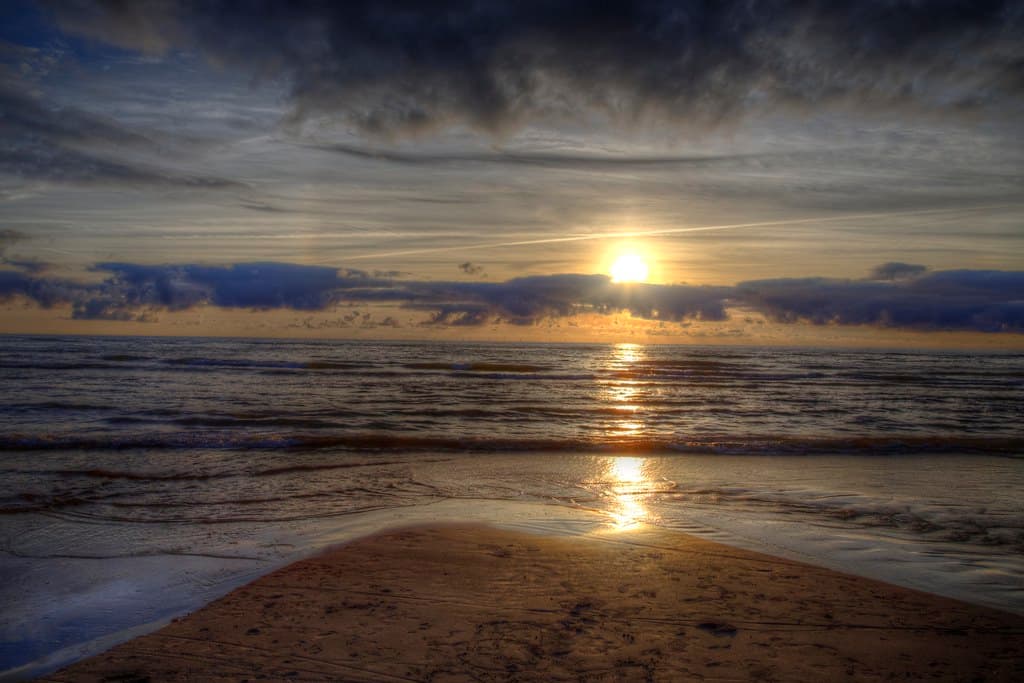
You arrive at Kærgård Strand through a landscape of heathland and scattered farmhouses, turning off the main road onto narrow tracks that thread between dunes. The parking area is gravel and understated—no kiosks, no flags. A well-worn path climbs through tufts of marram grass and over the dune ridge, and when you crest the top the North Sea opens wide, gray-green and restless. The beach itself runs for kilometres, an uninterrupted band of pale sand backed by dunes that rise and fall like frozen waves. At low tide, the shore widens into taut flats where shallow pools mirror the sky. Gulls work the tideline. The wind is persistent, salt-edged, carrying the smell of kelp and cold water. In late afternoon, the sun hangs low over the water, turning the waves amber and stretching your shadow halfway to the surf. Kærgård Strand sits in the gap between better-known stretches—too far south of Henne, too far north of Børsmose—so it escapes the summer crowds that fill other Jutland beaches. You'll share the sand with a handful of walkers, a kite or two when the wind is right, and the occasional local who knows to come here when everywhere else is busy. There's no café, no rental shack. Just dunes, sand, and the sweep of the Danish west coast at its most elemental.
Places, rentals, tours and events within walking and driving distance of Kærgård Strand.
Photos
Kærgård Strand is an unguarded North Sea beach where swimmers must exercise caution and personal judgment. The beach can experience strong currents, undertow, and powerful waves, especially during windy conditions. There are no lifeguards on duty, so assess conditions carefully before entering the water. Never swim alone and keep children under close supervision. Check local weather forecasts and sea conditions before visiting. The remote nature of this beach means emergency services may take longer to reach you compared to more developed beaches, so safety awareness is particularly important.
Kærgård Strand is naturally uncrowded throughout the year due to its remote location between Henne and Børsmose. The beach sees minimal visitors even during Danish summer holidays (July-early August) compared to popular destinations like Blåvand. For the most solitude, visit during weekdays in spring (April-May) or autumn (September-October). Early mornings and late afternoons offer the quietest times and best light for photography. Winter visits guarantee almost complete isolation but require warm, windproof clothing. The beach's hidden nature means you'll rarely encounter large groups regardless of season.
Kærgård Strand requires a car to reach, as public transportation is extremely limited in this remote coastal area. From Route 181 or 431 in western Jutland, follow local roads toward Kærgård village, then look for beach access signs. Parking facilities are basic and may consist of small gravel areas near dune paths. Expect a walk through natural dune terrain to reach the beach. The road infrastructure is less developed than at major resorts, so use GPS navigation or detailed maps to locate access points accurately.
Accommodation near Kærgård Strand consists primarily of privately-owned holiday homes and summer cottages available for weekly rental. These self-catering properties require guests to bring or purchase their own food supplies. The immediate area has very limited dining options, so plan to drive to nearby villages like Henne or towns such as Outrup for restaurants and grocery stores. Stock up on provisions before arriving, as convenience shopping is not readily available. The remote character appeals to visitors seeking peace and self-sufficiency rather than resort amenities and services.
Kærgård Strand's defining characteristic is its overlooked status—it sits between the better-known Henne and Børsmose beaches yet receives far fewer visitors. This creates an exceptionally peaceful atmosphere even in peak season. The beach offers classic West Jutland scenery of wide sandy shores backed by dune systems, without development or crowds. The sunset views across the North Sea are particularly spectacular due to the unobstructed western horizon. This beach appeals specifically to travelers seeking solitude and natural coastal beauty rather than facilities or activities, representing authentic Danish coastal wilderness.