Counting the waves…
Counting the waves…
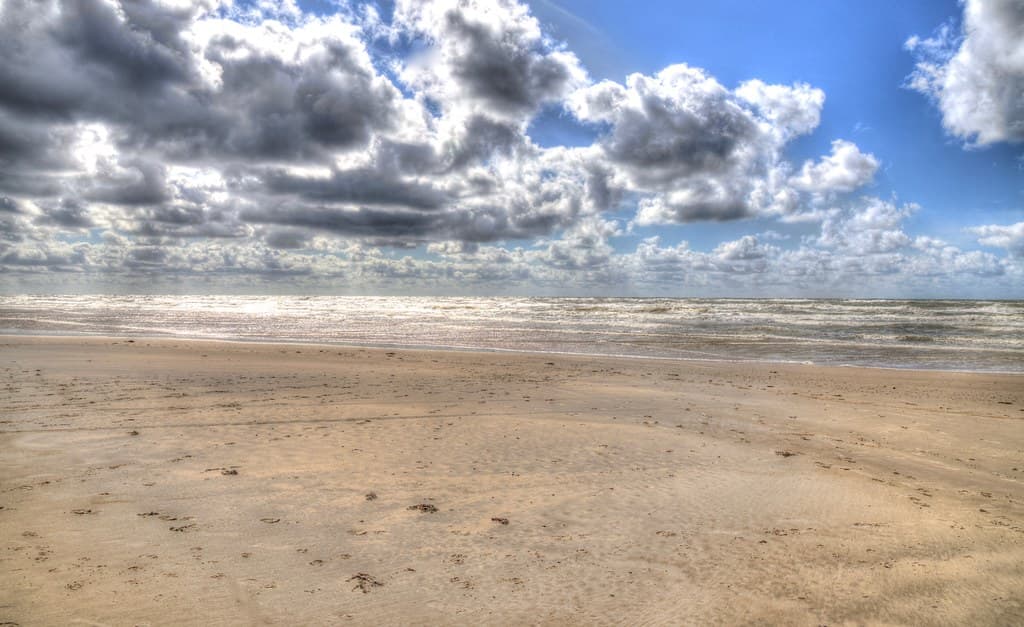
The first thing you notice is the crunch—not of shells, but of compacted sand beneath your tires as you drive straight onto the beach. Vejers Strand permits cars along its nine-kilometer sweep, turning the shoreline into a casual parade of hatchbacks, camper vans, and salt-crusted Volvos parked nose-first toward the surf. Families unload coolers within arm's reach of their tailgates while surfers wax boards against their bumpers, the whole scene backed by steep dunes tufted with marram grass and twisted pines. The waves here pull consistent North Sea swells, building rideable peaks that draw wet-suited locals year-round and summer learners who don't mind the chill. Dogs sprint off-leash, kicking up spray, while toddlers dig moats in the damp sand near the tideline. Late afternoon light turns the water from steel to amber, and the western horizon opens flat and enormous—nothing between you and Scotland but cold, rolling sea. Vejers the village keeps a low profile: a handful of smokehouse cafés, a grocery, rental cottages tucked into the scrub. There's no boardwalk glitz, no thumping beach clubs. Instead, you get the hum of wind turbines in the distance, the smell of smoked mackerel drifting from a food truck, and the quiet satisfaction of rinsing sand from your feet beside your car as the sun dips into the waves.
Places, rentals, tours and events within walking and driving distance of Vejers Strand.
Photos
Swimming at Vejers Strand requires caution due to North Sea conditions. The beach has strong currents, undertows, and cold water temperatures year-round. There are no lifeguards on duty, so swimmers must assess conditions themselves. Check wind direction and wave height before entering the water. The beach is generally safer during calm summer days with offshore winds. Always supervise children closely and consider staying in shallow areas. Many visitors prefer the beach for walking, sunbathing, and surfing rather than swimming. Dog walkers and families should be aware of changing tidal conditions.
The best time to visit Vejers Strand is June through August for the warmest weather and longest days, though it's also the busiest period. May and September offer fewer crowds with mild temperatures, ideal for walking and enjoying the dunes. Surfers often prefer autumn and winter when North Sea swells are strongest. The beach is accessible year-round and beautiful in all seasons. Sunset visits are spectacular throughout the year. For a quieter experience with decent weather, late spring or early autumn weekdays are recommended. Winter visits offer dramatic coastal scenery but require warm clothing.
Vejers Strand is located in southwestern Jutland, approximately 35 kilometers west of Varde and 60 kilometers northwest of the German border. The easiest access is by car via Route 181 or 431. The beach is famous for being drive-on, allowing vehicles directly onto the sand in designated areas. There is no train station in Vejers, but buses connect to larger towns like Varde and Esbjerg. From Copenhagen, it's roughly a 3-hour drive. Parking on the beach requires payment during peak season. The small holiday town has good signposting from main roads.
Vejers Strand town offers holiday homes, camping sites, and a few small hotels catering to beach visitors. The area is known more for self-catering accommodations than large hotels. Several restaurants and cafes serve Danish and international cuisine, including fish specialties. Many visitors stay in rented holiday cottages scattered throughout the area. Grocery stores and bakeries provide supplies for self-catering. The nearby towns of Varde and Ribe offer additional dining and lodging options. During peak summer season, booking accommodation well in advance is essential. Several campgrounds welcome both tents and RVs near the beach.
Yes, Vejers Strand is one of Denmark's famous drive-on beaches where you can drive directly onto the sand. Designated access points and marked areas indicate where vehicles are permitted. Driving on the beach requires caution—stick to firm, wet sand near the waterline and avoid soft dry sand where cars easily get stuck. There are fees during the main season, typically paid at automated stations. Speed limits apply, and you must respect areas closed for nature protection or nesting birds. Four-wheel drive isn't necessary in most conditions, but be mindful of tides and weather that can change sand firmness.