
Counting the waves…
Counting the waves…

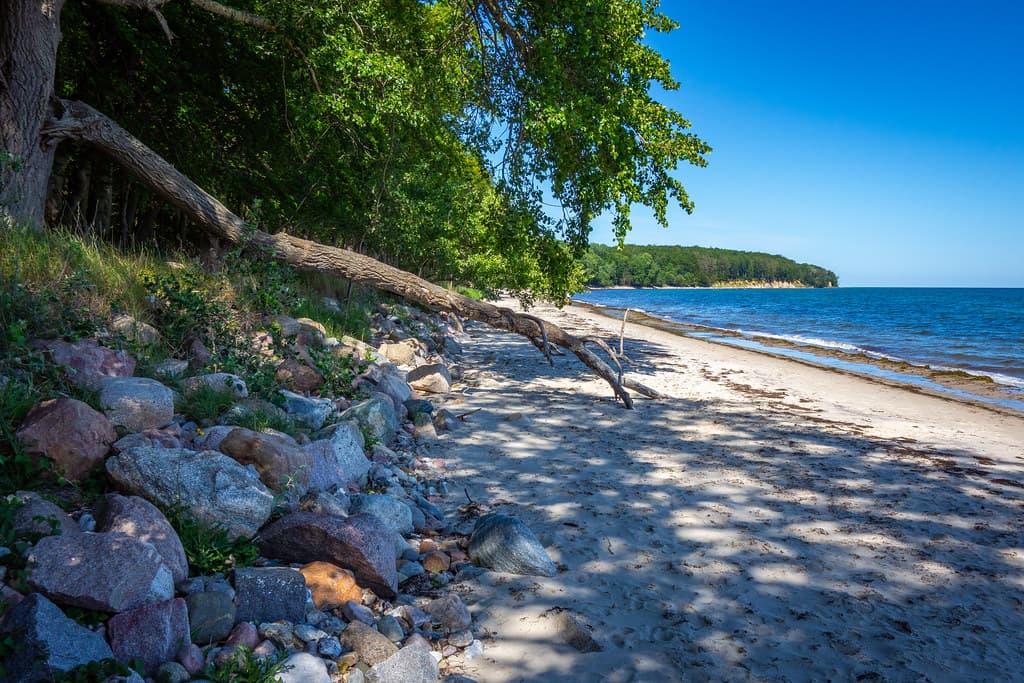
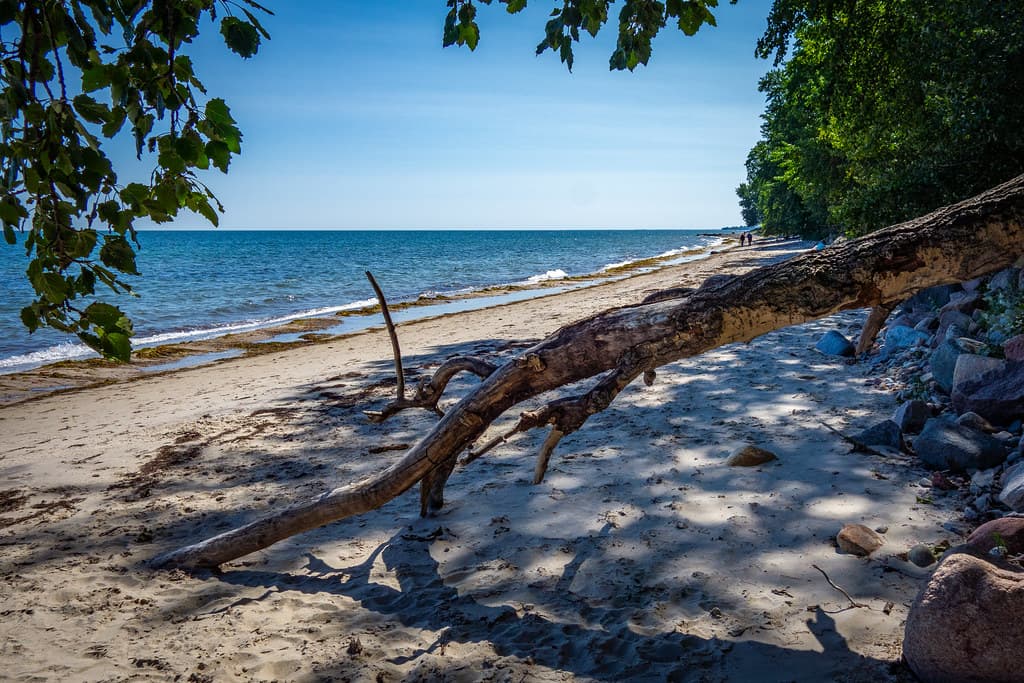
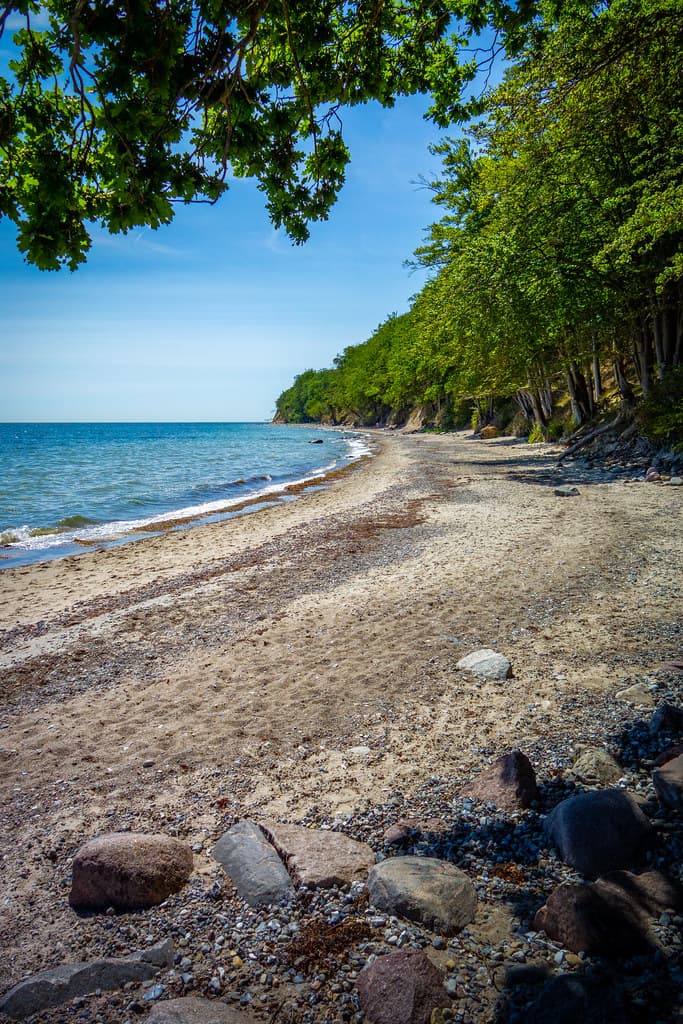
Korselitse Strand lies along a crescent of Denmark's Lolland-Falster coast that most travelers miss entirely, tucked between farmland and forest just south of Nykøbing Falster. You'll find no boardwalks or beach bars—only a narrow gravel turnout where locals park before slipping through the tree line. The shore itself is a study in muted tones: egg-sized pebbles in dove gray and ochre, seaweed the color of tobacco, water that shifts from slate to jade depending on the clouds overhead. The forest presses right to the tide line, creating pockets of dappled shade where you can spread a blanket on sun-warmed stones. Gulls wheel above shallow water that stays calm most days, protected by the gentle curve of the coastline. In early morning you might spot a lone fisherman casting from the rocks, or a pair of kayakers tracing the wooded shore toward Guldborgsund. Come in shoulder season and you'll have the place nearly to yourself. The pebbles massage your feet as you walk; the air smells of salt and pine resin. No one will ask you to move your towel or sell you an umbrella. This is Falster at its most unadorned—a beach that asks nothing of you except that you notice the light slanting through the branches, the rhythm of small waves sorting stones.
Places, rentals, tours and events within walking and driving distance of Korselitse Strand.
Photos
Swimming at Korselitse Strand is generally safe, though the pebble beach surface requires appropriate footwear for comfortable entry into the water. Water shoes are recommended to navigate the stones. The beach's location means conditions can vary, so always assess the water before swimming. As this is a less-visited beach, lifeguard services may not be present, so swimmers should be confident and aware of their abilities. Check weather forecasts and avoid swimming during stormy or windy conditions.
Visit Korselitse Strand during summer months (June-August) for the warmest weather and most comfortable swimming conditions. The beach is particularly appealing during weekdays and shoulder seasons (May and September) when you'll encounter fewer visitors. The forest-edge setting provides natural beauty year-round, making it suitable for peaceful walks even outside peak summer. Early morning or evening visits offer tranquil experiences for couples seeking scenic, uncrowded shoreline moments along this often-overlooked stretch of the Falster coast.
Korselitse Strand is located a short distance from Nykøbing Falster, the main town on Falster island. By car, follow local coastal roads from Nykøbing Falster toward the Korselitse area; the journey typically takes 10-20 minutes depending on your exact starting point. Public transportation options may be limited to this smaller beach, so having a car or bicycle is advantageous. From Copenhagen, take the E47 motorway south to Nykøbing Falster, then follow local signage toward the coast.
Korselitse Strand is relatively remote with limited immediate facilities, reflecting its hidden, peaceful character. Nykøbing Falster, the nearest town, offers restaurants, cafés, supermarkets, and accommodation including hotels and guesthouses. The area around Korselitse may have holiday homes and cottages available for rent, popular among visitors seeking quiet coastal retreats. Plan to bring provisions for beach visits or drive to Nykøbing Falster for dining. This setup appeals to travelers who value natural tranquility over commercial amenities.
Korselitse Strand stands out for its forest-edge location, where woodland meets the pebble shoreline, creating a distinctive natural setting rarely found on Denmark's sandier beaches. This combination offers shade and scenic beauty beyond typical beach landscapes. The beach remains largely overlooked by mainstream tourism, appearing primarily in local guides, which preserves its peaceful, undiscovered atmosphere. It's particularly suited to couples and travelers seeking intimate, scenic coastal experiences rather than traditional sandy beach activities or crowds.