
Counting the waves…
Counting the waves…
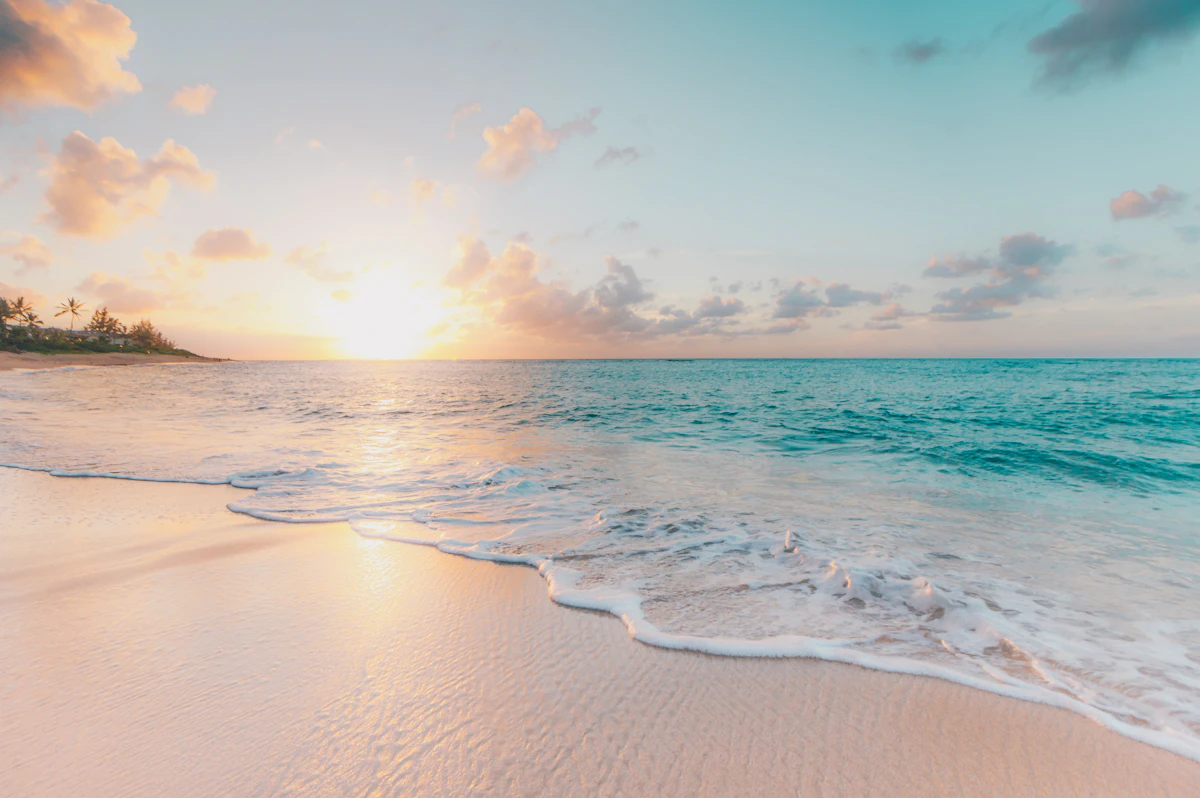
Playa de las Lajas, tucked away near Huaquillas, is a true marvel for anyone drawn to the ocean's depths. Unlike the expansive sandy beaches, this spot is characterized by its vibrant reef system, making it the premier destination for snorkeling in the region. The water here possesses a remarkable clarity, allowing sunlight to penetrate and illuminate the intricate coral formations and the myriad of fish that call them home. Donning a mask and snorkel, you'll be immediately immersed in a world of breathtaking beauty. Schools of iridescent fish dart through the coral gardens, while sea turtles might gracefully glide by. The diversity of marine life is astonishing, offering endless opportunities for observation and discovery. Every dip into the water promises a new encounter, a fresh perspective on the ocean's delicate balance. Beyond the snorkeling, the beach itself offers a rugged charm, with tide pools revealing tiny creatures at low tide. It’s a place that encourages exploration, not just beneath the waves, but along its unique shoreline. For those who seek an active engagement with nature and a profound appreciation for marine ecosystems, Playa de las Lajas is an irreplaceable treasure.
Places, rentals, tours and events within walking and driving distance of Playa de las Lajas.
Photos
Snorkeling at Playa de las Lajas can be safe when proper precautions are taken. The reef environment attracts marine life, making it popular for underwater exploration. However, always check current conditions before entering the water, as visibility and currents can vary. Wear appropriate footwear to protect against sharp coral or rocks, never touch the reef to preserve marine ecosystems, and consider snorkeling with a buddy. If you're inexperienced, stay in shallow areas and inform someone of your plans. Local guides may be available to show you the best spots while ensuring safety.
Visiting during periods with less crowds is recommended for Playa de las Lajas, which often means weekdays or off-peak seasons. For snorkeling specifically, the dry season (June to September) typically offers better underwater visibility with calmer seas and clearer water. Early morning hours often provide the calmest conditions and best light for observing marine life. Avoid periods immediately after heavy rains when runoff can reduce visibility. Tide conditions also matter—some reef areas are best explored during specific tidal stages. Check locally for optimal snorkeling times based on current conditions.
Playa de las Lajas is located near Huaquillas in El Oro province, southern Ecuador. The beach is actually quite famous and extends for several kilometers, making it one of Ecuador's longest beaches. You can reach the area by bus from major cities like Guayaquil or Machala. From Huaquillas or nearby towns, local transportation including taxis and buses serve the beach. If driving, follow coastal routes toward the beach access points. The journey from Guayaquil takes approximately 4-5 hours. Multiple access points exist along the beach's length, so confirm your specific destination for reef snorkeling areas.
Playa de las Lajas has developed tourism infrastructure with various accommodation options including beachfront hotels, hostels, and cabanas ranging from budget to mid-range. The beach's popularity has attracted restaurants and comedores serving fresh seafood, ceviche, and traditional coastal cuisine. Beach vendors sell snacks, drinks, and fresh coconuts along the shore. Some accommodations include meal services. For snorkeling visitors, it's advisable to bring your own equipment, though some hotels or tour operators may offer rentals. Nearby towns provide additional dining and lodging options if beachfront properties are fully booked.
Playa de las Lajas' reef environment supports diverse marine life typical of Ecuador's southern Pacific coast. Snorkelers may encounter various tropical fish species, sea stars, crabs, and other reef-dwelling creatures. The specific species and abundance vary by season, water conditions, and exact location along the reef. While not as biodiverse as famous snorkeling destinations like the Galápagos, the accessible reef provides interesting underwater exploration for casual snorkelers. Visibility and marine life sightings depend on weather, tides, and environmental conditions. Respect all marine life by observing without touching, and never remove anything from the reef ecosystem.