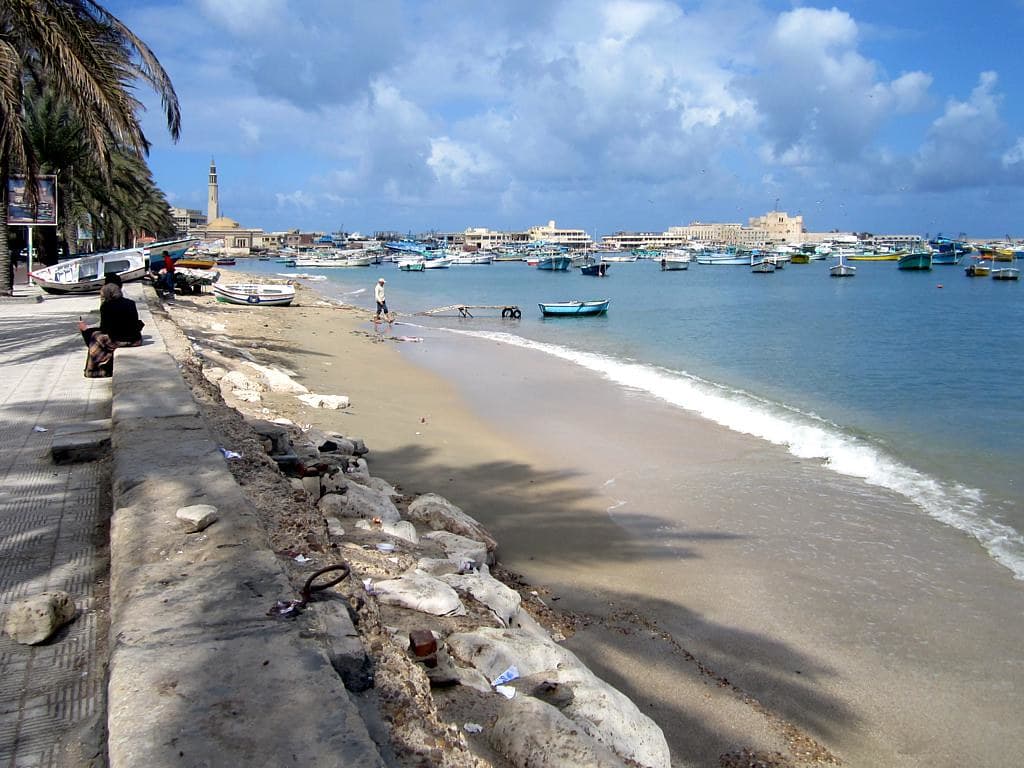
Counting the waves…
Counting the waves…
Calling this place "White Beach" oversells the color—the stones trend toward dove grey and cream, with enough quartz content to catch light but not enough to justify the name without the qualifier of local optimism. What matters is the geology: millions of pebbles ranging from marble-sized to fist-sized, smoothed by endless tumbling and sorted by wave action into a gradient that squeaks underfoot. Each tide rearranges the composition slightly, revealing different strata of limestone, basalt, and the occasional fossil fragment. The cove measures perhaps seventy meters across, bracketed by rock formations that create natural privacy from the developed beaches to either side. You reach it by navigating a residential area, asking shopkeepers for directions that will be offered with the assumption you already know roughly where you're going, then picking your way over a boulder field that serves as unofficial gatekeeper. The locals who use this beach have worn a suggestion of a path, but it requires attention—a turned ankle would complicate your day significantly. Photographers arrive for the geometric potential: the organized chaos of pebbles creates natural leading lines and texture that responds dramatically to raking light. Morning sun backlights the Mediterranean spray; afternoon provides even illumination for detail work. The stones themselves become subjects—each one a miniature study in erosion and color variation. You'll see the occasional model shoot happening, photographers directing subjects to pose among the rocks while avoiding the less-picturesque plastic debris that also collects in the cove.
Places, rentals, tours and events within walking and driving distance of White Beach.
Photos
White Beach's rocky and pebble composition requires extra caution when entering the water. Wear water shoes or sturdy sandals to protect your feet from sharp stones and uneven surfaces. The rocky bottom can make entry and exit challenging, especially for children or less confident swimmers. Swimming conditions are generally calmer in protected areas, but always check for currents and underwater rocks. The beach's hidden nature means fewer lifeguards, so swim with companions and stay aware of your surroundings. The clear water offers good visibility to spot submerged rocks.
White Beach is ideal during less crowded periods, particularly weekdays and off-peak seasons (spring and autumn), when you can capture the dramatic rocky landscape without crowds. Early morning and late afternoon provide the best natural lighting for photography, with softer tones highlighting the textures of the rocks and pebbles. Golden hour before sunset creates stunning contrasts. Summer weekday mornings offer good light with minimal visitors. Winter months provide moody, atmospheric conditions for dramatic shots. The instagrammable qualities shine best when the beach isn't packed with summer crowds.
White Beach's hidden nature means it requires local knowledge to locate. It's situated in the Agami area west of Alexandria, but specific access points may not be well-marked. Ask locals in Agami for directions, as taxi drivers and residents familiar with the area can guide you. The beach may require walking through less obvious paths or between developed areas. Using GPS coordinates or asking at nearby beach clubs can help. Consider hiring a local guide for your first visit or connecting with photography communities who frequent the spot for precise directions and access tips.
While White Beach itself is more secluded, the broader Agami area offers various accommodation options including hotels, rental apartments, and beach chalets within a short distance. You'll find restaurants and cafes serving seafood and Egyptian cuisine along the main Agami strip. Since the beach is hidden and less developed, bring your own food and water for beach days, as immediate facilities may be limited. Nearby Agami neighborhoods have supermarkets and local eateries. The lack of commercial development at this specific beach is part of its appeal for those seeking quieter, more natural settings.
White Beach's unique rocky and pebble terrain creates a dramatically different aesthetic from typical sandy beaches, offering interesting textures, patterns, and compositions. The hidden, less-developed nature means fewer crowds in your shots and a more natural, unspoiled backdrop. Rocky formations, tide pools, and the contrast between stones and water create diverse photographic opportunities. The relative isolation provides freedom to shoot without constant interruptions. The beach's name and distinctive appearance make it stand out on social media. Different weather conditions—from sunny days highlighting colors to overcast skies creating mood—all work well with this terrain.