Counting the wavesβ¦
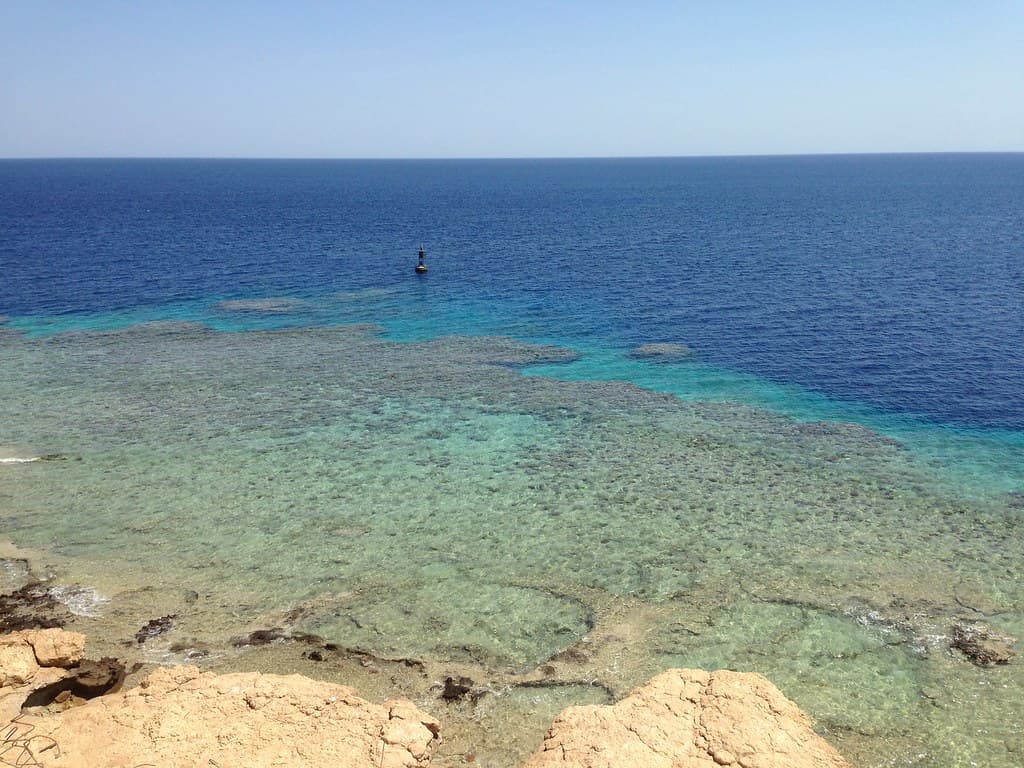
Ras Mohammed National Park is not just a beach; it's a living, breathing testament to the Red Sea's ecological richness. Here, the coastline gives way to a spectacular underwater world, where ancient coral formations rise like submerged cities, painted in every conceivable hue. The clarity of the water is legendary, offering unobstructed views of the bustling marine metropolis below. Snorkelers and divers alike are drawn to its famous sites, where schools of barracuda shimmer in unison, clownfish guard their anemone homes, and majestic sea turtles glide effortlessly through the currents. The park's protected status ensures a pristine environment, making every encounter with its inhabitants a truly special one. From the vibrant reef walls to the deep blue drop-offs, there's a constant discovery awaiting. Above the water, the rugged desert terrain meets the sea in a dramatic embrace, with mangroves and salt marshes adding to the unique ecosystem. This blend of arid land and thriving ocean creates a landscape of stark beauty, making Ras Mohammed a place where both terrestrial and aquatic wonders converge. It's an essential pilgrimage for anyone seeking to witness the Red Sea's unparalleled biodiversity.
Places, rentals, tours and events within walking and driving distance of Ras Mohammed.
Photos
Ras Mohammed National Park offers generally safe swimming and snorkeling conditions, but always follow park regulations and safety guidelines. Strong currents can occur in certain areas, particularly near drop-offs and channels, so stay within designated zones. The exceptional visibility and calm waters make it ideal for underwater activities, but never snorkel alone. Coral reefs are protected, so avoid touching or standing on them. Life jackets are recommended for less confident swimmers. Park rangers and dive operators can provide current safety information and advice for specific sites within the park.
Ras Mohammed can be visited year-round, with each season offering distinct advantages. The Red Sea maintains warm water temperatures throughout the year, making snorkeling always enjoyable. Spring and autumn provide comfortable air temperatures and excellent underwater visibility. Summer months are hot but offer the warmest water. Winter is milder with fewer crowds, though occasional wind can affect boat trips. For the best marine life viewing, many experts suggest spring when fish activity increases. Book early for popular times, and weekdays typically offer a more peaceful experience than weekends.
Ras Mohammed National Park is located about 12 kilometers from Sharm El Sheikh and is accessible by organized tour, taxi, or rental car. Most visitors join guided snorkeling or diving tours that include transportation, park entrance fees, and equipment. These tours typically depart from Sharm hotels in the morning. If driving independently, head south from Sharm following clear signage. An entrance fee applies at the park gate. Organized tours are often more convenient as they include expert guides who know the best snorkeling spots and ensure compliance with park regulations.
Ras Mohammed is a protected national park with minimal commercial development to preserve its natural environment. There are no hotels within the park boundaries, and dining facilities are very limited. Most visitors stay in Sharm El Sheikh and visit as a day trip. Bring your own food, snacks, and plenty of water, as options inside the park are restricted. Some organized tours include meals or refreshments. Basic facilities like restrooms are available at main areas. For multi-day exploration, base yourself in Sharm where extensive accommodation and dining options are available.
Ras Mohammed National Park protects some of the Red Sea's most pristine and biodiverse coral reef ecosystems. The park's reefs feature exceptional coral formations, dramatic underwater walls, and incredible marine biodiversity including colorful fish, rays, and occasional sharks. The meeting point of the Gulf of Suez and Gulf of Aqaba creates unique conditions supporting rich marine life. Strict conservation measures have preserved the reefs in near-pristine condition compared to more developed areas. The underwater visibility is often exceptional, and the variety of dive and snorkel sites caters to all experience levels.