

Counting the waves…
Counting the waves…
A refined fusion of water purity, environmental stability, and communal vibrancy for Ureka Beach.
View MethodologyAnalyzed via live sensors and environmental data.
Wave height, wind, and atmospheric stability.
Live footfall and crowd balance metrics.
Community reviews and curated sentiment.
“Ureka Beach is more than just a stretch of sand; it's a living sanctuary, a critical nesting site for several species of sea turtles. Tucked away on Bioko Island's south coast, this remote and wild beach offers an…”
Limited recent visitor reports — live OBI telemetry is your best guide for current conditions.
Ureka Beach is a testament to Bioko Island's commitment to conservation, a truly wild and remote stretch of sand that serves as a vital nesting ground for endangered sea turtles. Visiting here offers a rare privilege: the chance to witness these magnificent creatures return to shore, a primal spectacle under the equatorial moon or sun.
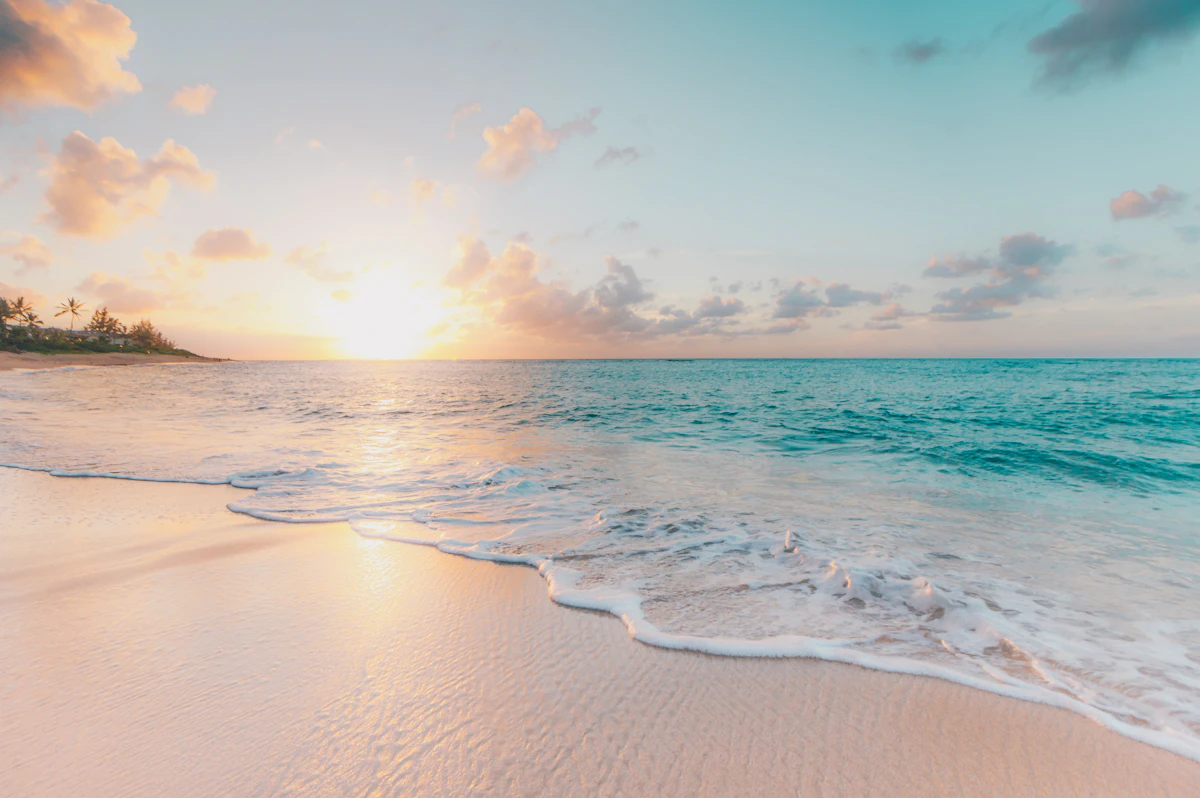
The beach itself is a pristine crescent of golden sand, backed by dense, emerald rainforest that tumbles down to the water's edge. The air is thick with the calls of unseen birds and the gentle rustle of leaves, creating an immersive jungle-meets-ocean experience. The waters are clear and inviting, though the true magic lies in the ecological significance of this untouched haven.
Person walking on a sand spit
Aerial view of turquoise tropical bay
Observe nesting turtles
Explore surrounding rainforest
In pristine waters
Prime Visitation
Anytime
Where it is
Ureka Beach
Luba, Bioko Sur, Equatorial Guinea
3.282000°, 8.438000°
Weather
Loading…
Swell
—
Temp
Warm · Restorative
UV Index
Moderate
Wind
—
Tidal State
Last known
Max Sunlight
—
Ideal Shade
—
Jan - Dec (Peak)
May - Nov (Off-season)
Historical data suggests peak visibility and stable sea temperatures occur during the prime visitation window.
Select a category to load nearby places.
Unlock restaurants, luxury stays and curated maritime experiences within 2km
Ureka Beach, a 'remote turtle nesting beach,' likely offers natural and unsupervised swimming conditions. Specific safety information regarding currents or marine life is generally limited for such remote locations. Visitors should always exercise caution, observe local conditions, and be aware that there may be no lifeguards or facilities. During nesting seasons, it's crucial to respect the turtles and their habitat, avoiding disturbance.
Ureka Beach is recommended for visiting 'Anytime' for its general scenic beauty. However, to witness its unique feature as a 'remote turtle nesting beach,' visiting during the specific nesting and hatching seasons would be ideal. These periods vary by species and location but generally occur at certain times of the year. Local conservation groups or authorities might provide more precise seasonal information for optimal turtle sightings.
Reaching Ureka Beach, located in Luba, Bioko Sur, Equatorial Guinea, will involve a journey to a remote area. Given its 'remote' and 'wild' nature, expect that direct public transport is unlikely. Access will most probably require private transportation, such as a 4x4 vehicle, and potentially some walking through natural terrain. The journey itself is often part of the adventure when visiting such untouched destinations.
As a 'remote turtle nesting beach' with 'scenic,' 'nature,' and 'wild' tags, Ureka Beach is highly unlikely to have any direct food or lodging facilities. Visitors should plan for a completely self-sufficient trip, bringing all necessary provisions, including food, water, and any other essentials. Accommodation options would need to be sought in the nearest towns or settlements, requiring travel back from the beach.
Ureka Beach's unique significance lies in its role as a 'remote turtle nesting beach.' This makes it an incredibly important and special destination for wildlife enthusiasts and conservationists. Witnessing sea turtles nesting or hatchlings making their way to the ocean is a rare and profound experience. Its 'scenic,' 'nature,' and 'wild' tags further enhance its appeal as a pristine natural habitat.
Photos