Counting the waves…
Counting the waves…
A refined fusion of water purity, environmental stability, and communal vibrancy for Põõsaspea Beach.
View MethodologyAnalyzed via live sensors and environmental data.
Wave height, wind, and atmospheric stability.
Live footfall and crowd balance metrics.
Community reviews and curated sentiment.
“Trade manicured resorts for the raw beauty of Põõsaspea, a pebble-strewn shore where the wind whispers tales of ancient mariners and migrating birds. This isn't a place for sun loungers, but for seekers of solitude and…”
Limited recent visitor reports — live OBI telemetry is your best guide for current conditions.
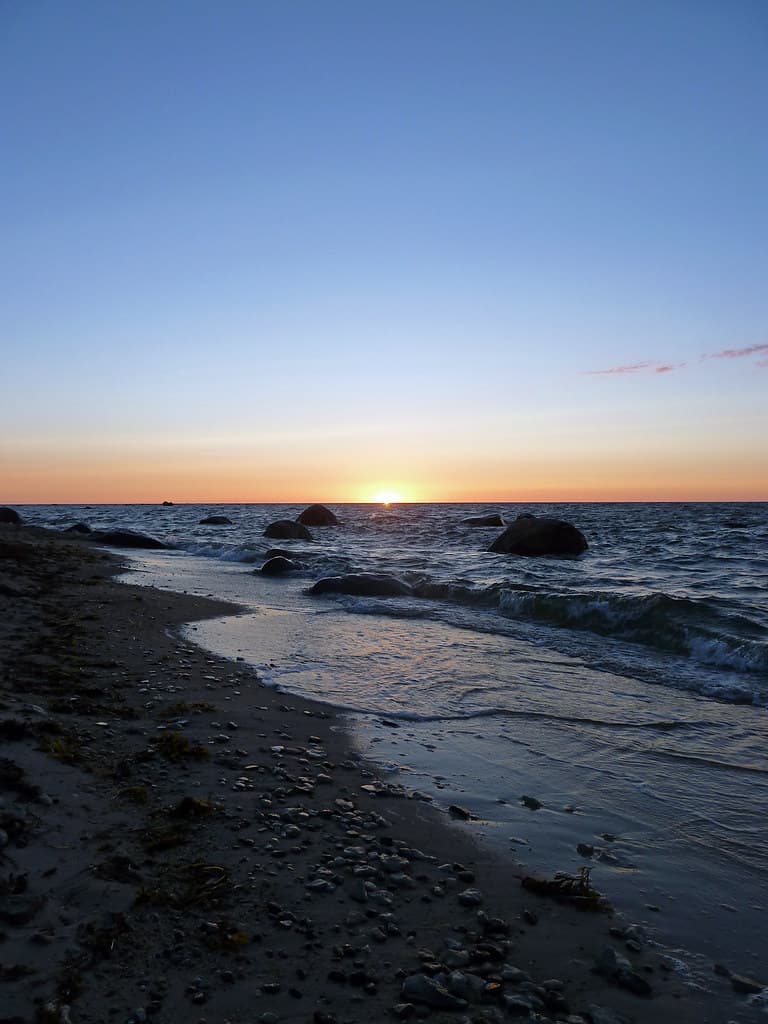
Perched on a dramatic cape, Põõsaspea Beach is a testament to Estonia's wilder side. Here, the coastline is a mosaic of smooth, grey pebbles, polished by the relentless Baltic waves, stretching towards a horizon often painted with the fiery hues of sunset. The air carries the briny scent of the sea, mingled with the earthy aroma of coastal vegetation, creating an invigorating sensory experience.
This isn't a beach for building sandcastles, but for collecting unique stones and observing the rich avian life that flocks to this important migratory point. Binoculars are as essential as a warm jacket, even on a summer's day, as you scan the skies for rare species. The soundscape is dominated by the rhythmic crash of water against stone and the cries of gulls, a natural symphony far removed from urban clamor.
 Credit: Unsplash
sea waves crashing on shore during daytime
 Credit: Unsplash
sea waves crashing on shore during daytime
Dramatic cape views
Explore pebble shores
Migratory bird hotspot
Prime Visitation
Best Weather | Less Crowds
Where it is
Põõsaspea Beach
Põõsaspea, Lääne County, Estonia
59.269800°, 23.491700°
Weather
Loading…
Swell
—
Temp
Warm · Restorative
UV Index
Moderate
Wind
—
Tidal State
Last known
Max Sunlight
—
Ideal Shade
—
May - Sep (Peak)
Jan - Dec (Off-season)
Best Weather | Less Crowds
Select a category to load nearby places.
Unlock restaurants, luxury stays and curated maritime experiences within 2km
Põõsaspea Beach is a pebble beach known for its wild, natural setting rather than typical resort-style swimming. The water conditions can vary, and as it's a more untamed area, there might not be lifeguards or specific designated swimming zones. Visitors should exercise caution, especially with children, and be mindful of the potentially rocky entry and any currents. It's generally more suited for enjoying the scenery and birdwatching than extensive swimming.
The best time to visit Põõsaspea Beach is during periods of good weather, typically the warmer months, to fully appreciate its scenic beauty and enjoy outdoor activities. To avoid larger crowds and experience a more tranquil atmosphere, consider visiting outside of peak holiday weekends. The beach is particularly renowned for sunsets, so an evening visit can be very rewarding for photography and a peaceful end to the day.
Põõsaspea Beach is located in a more remote, wilder area of Lääne County, Estonia. While specific public transport options might be limited, it is generally accessible by car. Visitors should expect to drive to the vicinity and potentially walk a short distance to reach the prime beach areas. Road conditions can vary, so checking local information before your trip is advisable. Parking facilities, if any, would likely be informal.
Given Põõsaspea Beach's 'wild' and 'hidden' nature, direct food and lodging facilities right at the beach are unlikely. Visitors should plan to bring their own refreshments and snacks. For accommodation, you would likely need to look for options in nearby villages or towns within Lääne County. These might include guesthouses, smaller hotels, or holiday rentals, offering a more local experience away from the immediate beach area.
Põõsaspea Beach is unique due to its location on a scenic cape, making it a prime spot on Estonia’s northwestern birdwatching coast. Its wild, untamed character offers a stark contrast to typical resort beaches. The cape acts as a natural migration point, attracting a diverse array of bird species, making it a paradise for ornithologists and nature photographers. The dramatic sunsets over the Baltic Sea also provide exceptional photographic opportunities, capturing the raw beauty of the Estonian coastline.
Photos