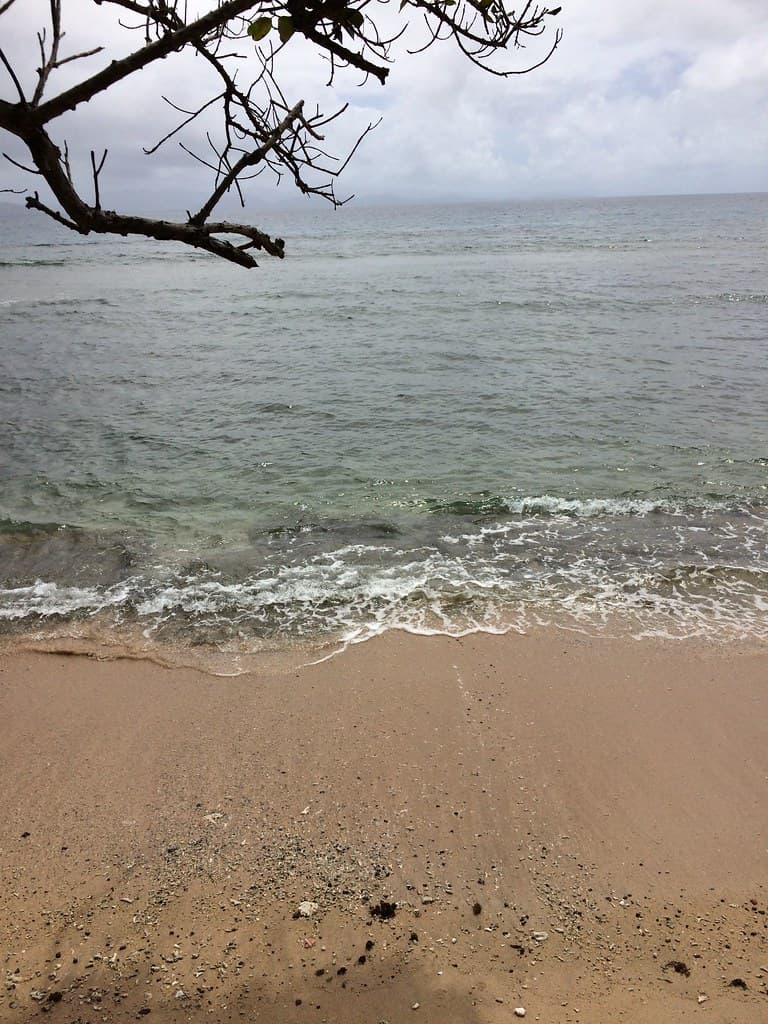
Counting the waves…
Counting the waves…

The beach reveals itself gradually as you descend from Soqulu village—first the sound of water moving through stone chambers, then the sight of the Koro Sea stretching unbroken to the horizon. Boulders the size of cargo vans rest at improbable angles, their surfaces pocked with tide pools where hermit crabs scuttle and small wrasses dart between anemones. The reef here runs parallel to shore, close enough that you can wade across the shallow lagoon at low tide to explore its outer edge. Sunset is the main event. The western exposure means you'll watch the sun descend through layers of atmosphere that shift from butter-yellow to tangerine to a deep arterial red. Locals time their evening walks to this spectacle, and you'll often share the rocks with villagers returning from reef-gleaning, their buckets clinking with sea snails and small crabs. The stones retain the day's heat well into twilight, warm beneath your palms as the first stars emerge. Navigating the rocks requires attention—wear water shoes with grip, and watch for slick algae patches. The reward is discovering hidden channels where the reef fish congregate as the tide changes, and vantage points that offer panoramic views impossible from sandy beaches. Bring a headlamp for the walk back to the village; the coastal path has no lighting.
Places, rentals, tours and events within walking and driving distance of Soqulu Beach.
Photos
Soqulu Beach is a rocky coastline with reef areas, so swimming conditions vary depending on tides and wave action. The west/northwest exposure means calmer conditions than windward coasts, but rocky terrain requires careful entry and exit. Reef shoes are essential to protect feet from sharp rocks and coral. Always check local tide conditions and be mindful of currents near reef passages. The remote location means no lifeguards or immediate medical facilities, so swim conservatively and never alone.
Soqulu Beach is ideal during Fiji's drier season from May to October, when you'll encounter fewer crowds and lower accommodation rates. The west-facing orientation makes it particularly special for sunset viewing during these months. Budget travelers will appreciate the shoulder months of May and October when prices drop further. Weather is generally pleasant year-round, but the wet season from November to April brings higher humidity and occasional rain. Visit during weekdays for maximum solitude at this already quiet destination.
Soqulu Beach is located on Taveuni Island in Cakaudrove Province, requiring multiple transport steps. First, fly to Taveuni from Nadi or Suva, or take a ferry from Vanua Levu. From Taveuni's main areas, you'll need to arrange local transport as Soqulu is off the main tourist routes. Road conditions can be challenging, especially during wet season. Consider hiring a local driver who knows the area or arranging transport through your accommodation. The journey requires planning as public transport options are limited in this remote location.
Soqulu is a remote area with limited commercial tourism infrastructure. Accommodation options are primarily local guesthouses or homestays rather than resorts, offering authentic Fijian hospitality at budget-friendly rates. Food options are basic, typically featuring local cuisine prepared by hosts. It's wise to bring supplies from larger towns and communicate meal preferences in advance with your accommodation. The nearest well-stocked shops are in more developed areas of Taveuni. This remoteness is part of the appeal for travelers seeking an off-the-beaten-path experience and cultural immersion.
Unlike Taveuni's more developed eastern and southern coasts, Soqulu Beach offers a hidden, uncommercial experience on the quieter west/northwest shore. The rocky coastline with reef formations creates a completely different landscape from sandy resort beaches. Its west-facing position provides spectacular sunset views across the water, a rarity on Taveuni where most beaches face east. The area remains relatively untouched by mass tourism, offering authentic village life and interactions with local communities. It's ideal for travelers prioritizing solitude and natural beauty over amenities and water sports.