Counting the wavesβ¦
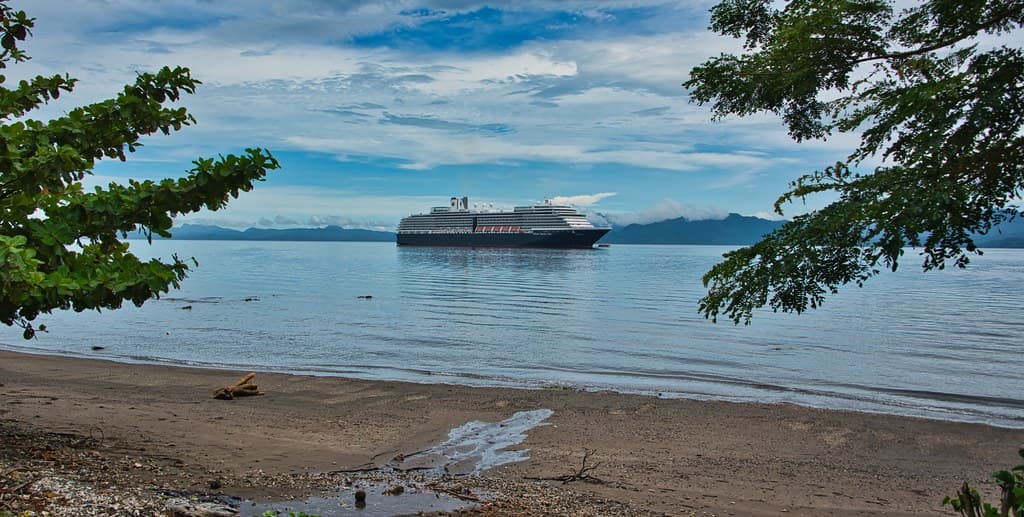
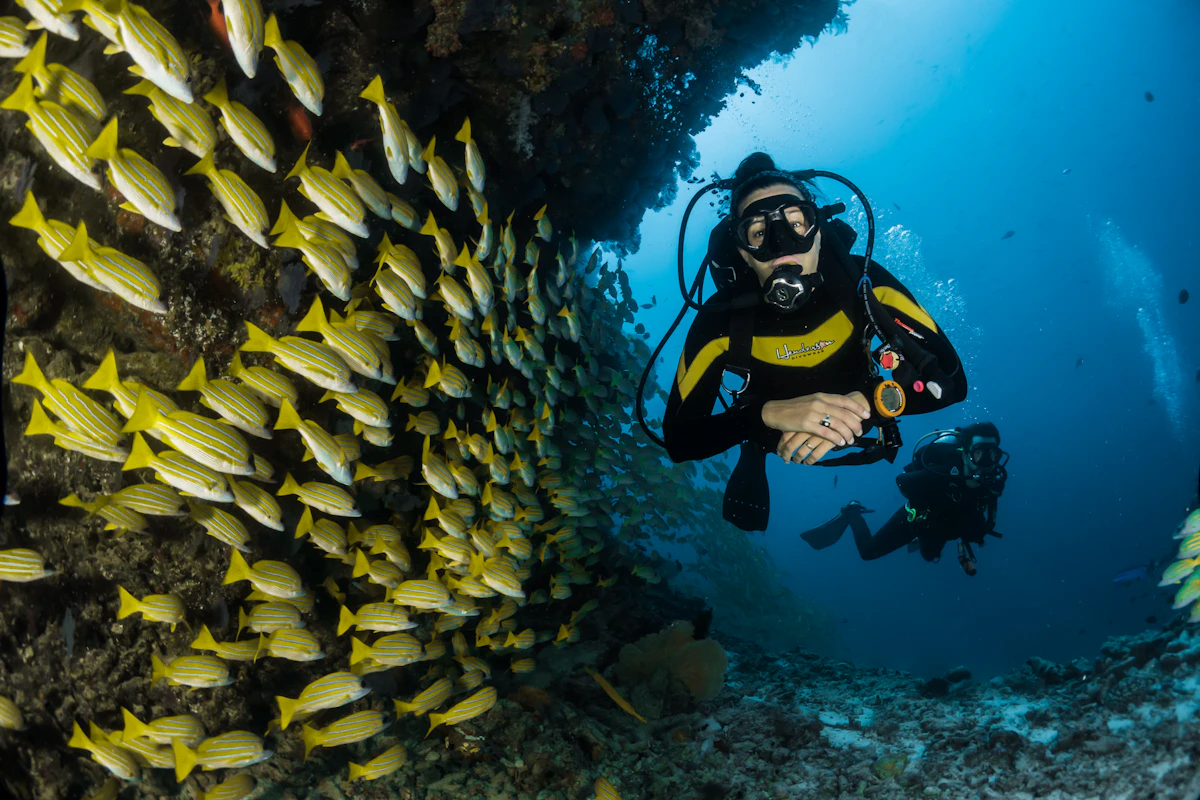
Namena Island rises from deep ocean near the Namena Marine Reserve, one of Fiji's most celebrated dive sites. The beach here curves along the island's leeward side, where talcum-fine sand stretches beneath coconut palms and the water shifts from pale aquamarine over the sand to deep cobalt where the reef drops away. You'll hear the reef before you see itβa low, constant hiss as swells break over the outer corals, sending spray into the sunlight. Snorkeling here ranks among Fiji's best. Fin out from the beach and you'll glide over gardens of staghorn, brain, and soft corals in purples, oranges, and yellows that seem impossibly saturated. Reef sharks cruise the drop-offs, turtles graze the algae-covered bommies, and schools of barracuda hang in the blue like suspended knives. The water clarity can exceed a hundred feet on calm days, giving you a near-aerial view of the reef's architecture. The island itself is undeveloped save for a small eco-resort, meaning the beach retains a wild, untouched quality. Hermit crabs drag their shells across the sand, seabirds wheel overhead, and driftwood piles mark the high-tide line. You'll need to arrange boat transport from Savusavu, a journey of ninety minutes that underscores the island's remoteness. Bring everything you need; the nearest shop is an ocean away. The isolation is the pointβthis is a beach for those willing to travel for world-class marine encounters and the kind of quiet that only true distance provides.
Places, rentals, tours and events within walking and driving distance of Namena Island Beach.
Photos
Swimming at Namena Island Beach requires awareness of conditions, as the island sits near the Namena Marine Reserve with surrounding reefs. Within protected lagoon areas, swimming is generally safe with calm, clear water. However, reef edges can have stronger currents and require caution. The remote location means limited immediate emergency services, so swim conservatively and stay within designated safe zones. Snorkeling and diving are popular activities here, but always respect ocean conditions and seek local guidance about current patterns around the reef systems.
Visit Namena Island Beach during May through October for optimal conditions with calmer seas, better visibility for diving and snorkeling, and drier weather. This period offers the clearest water for exploring the nearby marine reserve. These months also see fewer tropical storms that can disrupt boat access. For divers, visibility can exceed 30 meters during the dry season. While the wet season brings warmer water temperatures, rougher seas and reduced visibility make the dry months significantly better for enjoying this remote location.
Namena Island Beach requires boat access only, making it truly remote. Most visitors fly to Savusavu on Vanua Levu, then take organized boat transfers, typically lasting 1-2 hours depending on vessel type and sea conditions. The island hosts a small exclusive resort that arranges all transfers for guests. Day trips from Savusavu are sometimes available through dive operators visiting the Namena Marine Reserve. There are no public ferry services, so visits must be coordinated through tour operators or resort bookings in advance.
Namena Island Beach is home to a single small, exclusive resort offering limited bures in a pristine setting. Accommodation is intimate and often booked well in advance, catering primarily to divers and couples seeking seclusion. Meals are included and feature fresh seafood and Fijian cuisine prepared on-site. Given the remote location, there are no alternative dining or lodging options on the island. The experience is all-inclusive by necessity, with provisions brought by boat from Savusavu. Expect premium pricing reflecting the exclusivity and remoteness.
Namena Island Beach sits adjacent to the world-renowned Namena Marine Reserve, one of Fiji's premier diving destinations featuring extraordinary coral biodiversity and marine life. The reef systems here are protected and exceptionally healthy, offering encounters with sharks, manta rays, and vibrant coral formations. The island's remote location has preserved pristine underwater ecosystems rarely accessible elsewhere. Even snorkelers can access remarkable reef areas in shallower waters. This proximity to a protected marine area makes it exceptional for underwater exploration compared to more developed Fijian beach destinations.