
Counting the waves…
Counting the waves…
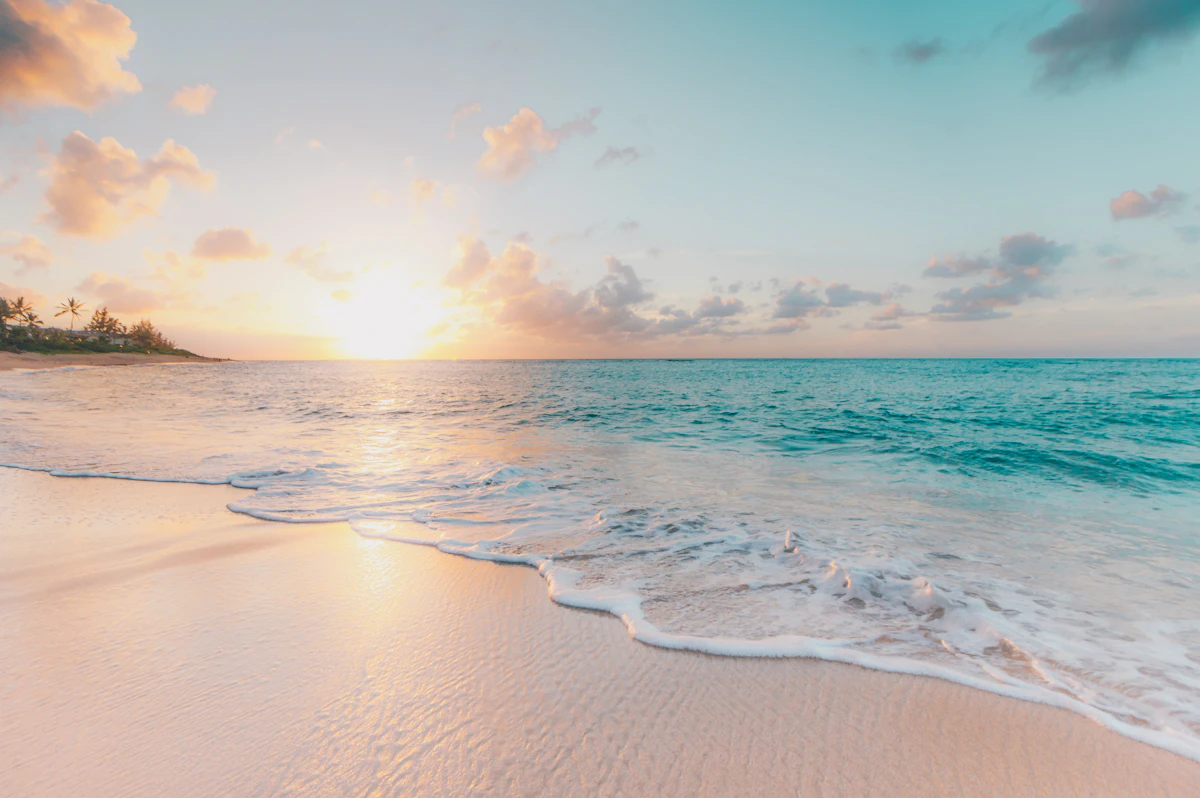
Naroi Beach follows the curve of Moala's western coast, fronting a village that serves as the island's administrative and social center. The sand is dark gray with volcanic minerals, coarse enough that it doesn't cling to wet skin. At high tide, the water reaches a seawall of stacked coral stones; at low tide, a vast mudflat extends hundreds of meters offshore, revealing mangrove shoots and stranded sea cucumbers. You'll see the beach primarily as the villagers do: as a corridor between land and lagoon, a place where boats land and children learn to swim. The beachfront is lined with structures that speak to daily use—concrete water tanks painted with faded logos, wooden drying racks for fish, a diesel generator shed. Pigs root in the sand near the tree line, and laundry flaps on lines strung between pandanus palms. The water here is murky compared to outer reef locations, churned by foot traffic and tidal currents that stir sediment from the lagoon floor. Yet on calm mornings before the village wakes, the bay reflects the sky in shades of pewter and rose. Moala receives a government ferry from Suva roughly monthly, and Naroi Beach is where passengers disembark, wading through knee-deep water to reach the sand. There's a small guesthouse run by a Methodist family, and a general store selling tinned fish and flour. The beach itself is unadorned—no sun loungers, no smoothie vendors, no designation as a tourist destination. It simply exists as the edge where island life meets the sea.
Places, rentals, tours and events within walking and driving distance of Naroi Beach.
Photos
Naroi Beach is generally safe for swimming and well-suited for families. As the main village beach on Moala, it benefits from calm, sheltered waters typical of lagoon-protected coastlines. The sandy bottom and gradual depth make it accessible for children. However, always check local conditions and be mindful of boat traffic near the village. Swimming is best during high tide when waters are deeper. Respect local customs and dress modestly when near the village areas.
The best time to visit Naroi Beach is during Fiji's dry season from May to October, when you'll experience sunny weather, lower humidity, and calmer seas. This period also aligns with budget travel opportunities as it falls outside peak tourist season for major Fijian resorts. November through April brings wetter conditions and potential cyclones. For the clearest waters and most comfortable temperatures, aim for June through September when conditions are optimal for beach activities.
Reaching Naroi Beach requires planning as Moala is part of Fiji's remote Lau Islands. Access is primarily by domestic flight from Suva to Moala's airstrip, operated irregularly by smaller airlines, or by cargo/passenger boat from Suva, which runs infrequently and takes 12-24 hours. Once on Moala, Naroi Beach is near the main village and accessible by foot or short vehicle ride. Book transport well in advance and confirm schedules, as services are limited and weather-dependent.
Accommodation options near Naroi Beach are extremely limited and typically involve homestays or arrangements with local villagers, as Moala has no commercial resorts or hotels. Visitors should arrange stays in advance through community contacts or tour operators specializing in outer island visits. Meals are usually provided by host families and feature local Fijian cuisine including fresh fish, root vegetables, and tropical fruits. Bring essential supplies from Suva as shops are minimal. Expect basic, authentic village hospitality rather than tourist facilities.
Naroi Beach offers an authentic outer-island Fijian experience far removed from resort tourism. As Moala's main village beach, it provides genuine insight into traditional Lau culture and daily island life. The beach serves as a working coastline where villagers fish, gather, and socialize, offering visitors a practical rather than pristine resort atmosphere. Its isolation ensures minimal crowds and a connection to traditional Pacific island rhythms. The experience is about cultural immersion and remote island authenticity rather than luxury amenities.