
Counting the waves…
Counting the waves…
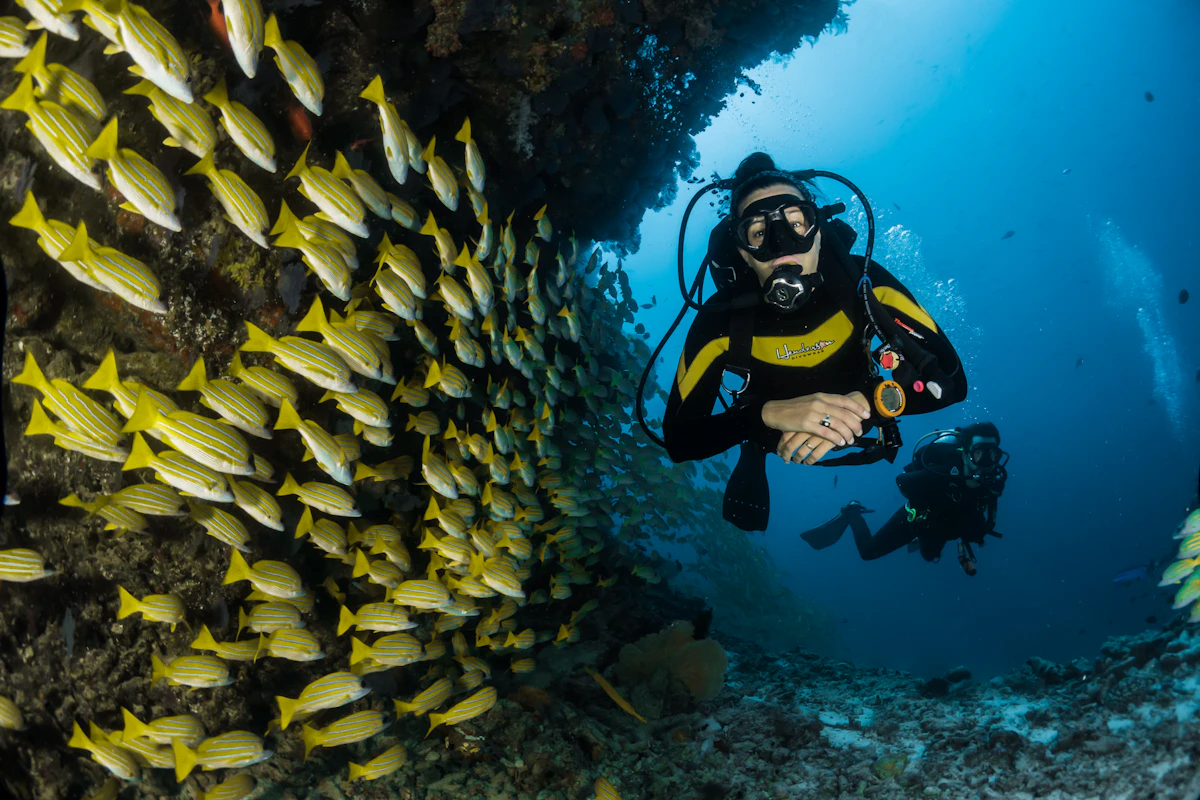
Tuvuca's beach occupies the island's leeward corner, where the reef curls close enough to wade to at low tide. The sand is coarse—ground coral and shell fragments the color of old bone—and littered with the practical debris of island life: bleached buoys, a dugout canoe missing its outrigger, a fish trap woven from coconut fronds. Pigs root in the shade line. Someone's laundry snaps on a line strung between two palms. The village council will host you—there's no commercial lodging—and assign you a house with a foam mattress and a rainwater tank out back. Meals appear on tin plates: boiled taro, tinned mackerel, black tea sweetened to syrup. Afternoons belong to the beach, where children practice rugby on the hard sand and old men mend nets, their hands moving through knots with mechanical grace. Swimming here means navigating coral rubble until the bottom drops away and sergeant majors dart through staghorn thickets. The reef hums—a submarine static of parrotfish grinding coral, urchin spines clicking in crevices. At dusk, flying foxes cross from the interior forest to offshore islets, their wings creaking like rusty hinges.
Places, rentals, tours and events within walking and driving distance of Tuvuca Beach.
Photos
Tuvuca Beach generally offers safe swimming conditions suitable for families, with typical Lau Islands characteristics of clear water and coral reef environments. The remote location means natural conditions prevail—be aware of tides, currents, and coral in shallow areas. Reef shoes protect feet from sharp coral and sea urchins. No lifeguards or rescue services are present, so adult supervision of children is essential. The calm lagoon areas are usually gentle, but always assess conditions upon arrival. The island's small community can provide local knowledge about the safest swimming spots and any seasonal considerations to keep in mind.
The best time to visit Tuvuca Beach is during the dry season (May to October) when weather is more predictable and seas are calmer for boat access. However, the northern Lau Islands remain uncrowded year-round due to their remote location. The wet season (November to April) brings higher rainfall and potential cyclones but also lusher landscapes and warmer waters. Since Tuvuca sees few tourists in any season, your visit timing will depend more on boat availability and weather windows for safe passage than avoiding crowds. Flexibility is essential when planning travel to remote Lau destinations.
Reaching Tuvuca Beach requires boat access, as the island lies in the remote northern Lau archipelago. There are no regular ferry services to Tuvuca. Options include chartering a boat from other Lau islands or arranging passage through local connections in communities like Lakeba. Some cargo/supply boats serving Lau villages may accept passengers, though schedules are irregular and journeys can take many hours. From Viti Levu, you would first travel to a larger Lau island, then arrange onward passage. Given the complexity, engaging a Fiji-based tour operator with Lau experience is advisable for logistics and permissions.
Tuvuca is a small, low-profile island with no commercial tourism infrastructure. Accommodation options are limited to homestays with local families if arrangements are made in advance through community connections. There are no hotels, resorts, or restaurants. Visitors should expect basic facilities and bring essential supplies. Meals would be home-cooked Fijian fare shared with host families, featuring fish, root vegetables, and coconut-based dishes. Advance coordination is essential, ideally through someone with Lau community ties. Some visitors camp with permission, bringing all equipment and food. This is authentic village-based travel requiring cultural sensitivity and self-sufficiency.
Tuvuca Beach's uniqueness lies in its authentic remoteness and role as a low-profile destination in Fiji's least-visited region. Unlike resort beaches, Tuvuca offers genuine cultural immersion with Lau island communities living traditional lifestyles relatively unchanged by mass tourism. The northern Lau chain's geographic isolation means pristine natural conditions, vibrant reefs, and empty beaches. Visiting Tuvuca connects travelers with Fiji's outer-island reality, where boat arrivals are rare events and hospitality is genuine. The beach represents adventure travel at its most authentic, requiring effort and flexibility but rewarding visitors with uncommercialized tropical island beauty and meaningful cultural exchange.