Counting the waves…
Counting the waves…

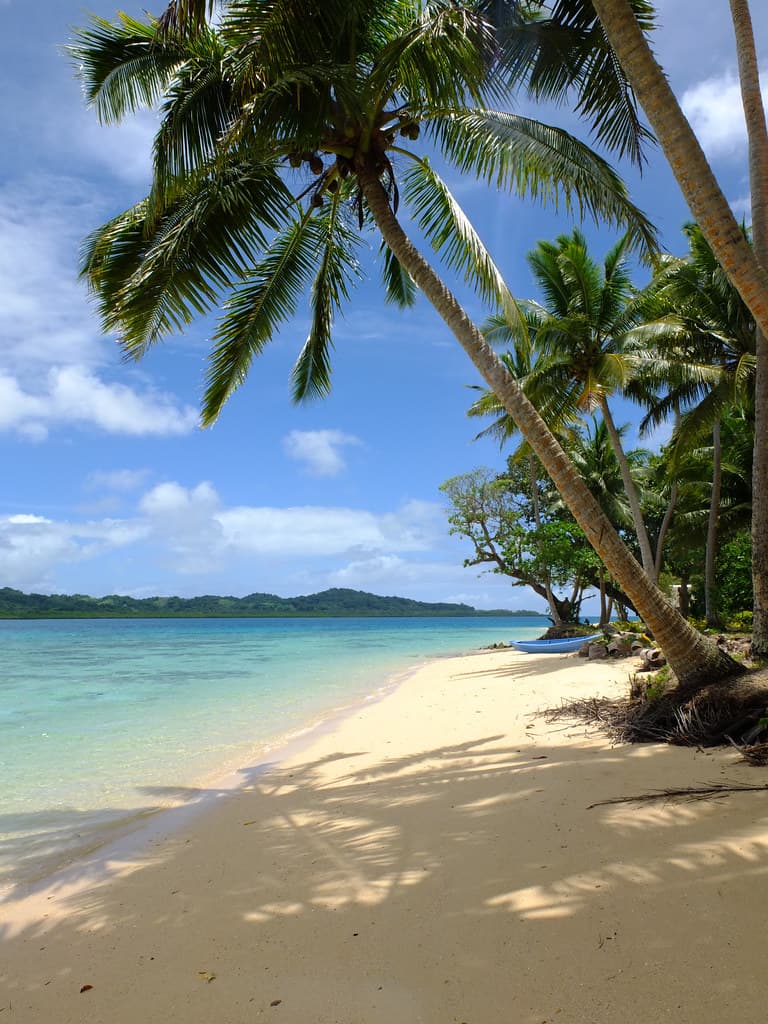
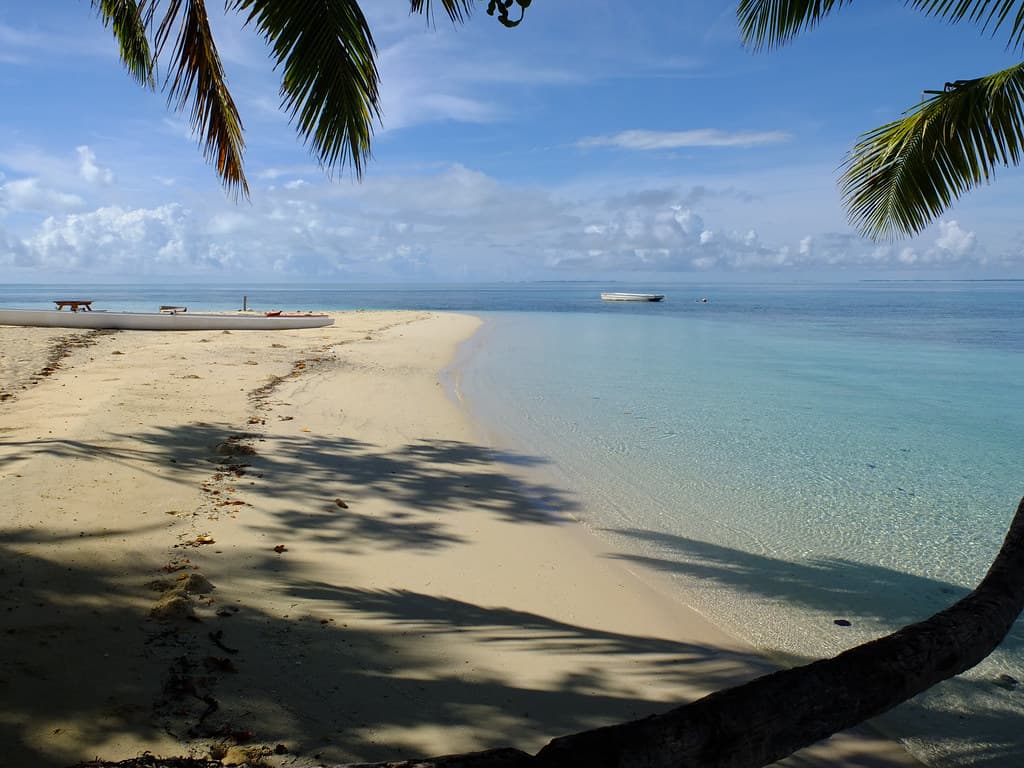
The sand here shifts between ivory and tan depending on the tide's mood, littered with dried seagrass and the occasional outrigger paddle left overnight. You'll spot the beach from the main coastal road, but few visitors make the turn—most speed past toward resorts further north, leaving Naicabecabe to the handful of families who've fished these shallows for generations. The shoreline runs long and narrow, pinched between village compounds and a reef flat that emerges at low tide like a cobblestone plaza. Swimming depends entirely on timing. High tide brings waist-deep water close enough to wade from your towel; low tide exposes a moonscape of tide pools where sea cucumbers contract at your shadow and juvenile fish scatter in silver flashes. The locals harvest octopus and shellfish during these retreats, wading barefoot across the exposed reef with buckets and spears, reading the water like a familiar text. Moturiki village life hums just beyond the palms—the clang of a lunch bell from the primary school, gospel harmonies drifting from the church on Sundays, the whine of a generator powering evening chores. You're not hidden from this soundtrack; you're immersed in it. Bring shade and drinking water. The nearest store sells warm soft drinks and tinned fish, operating on hours best described as flexible.
Places, rentals, tours and events within walking and driving distance of Naicabecabe Beach.
Photos
Naicabecabe Beach typically offers safe swimming conditions with calm, shallow waters protected by the surrounding reef system common to Moturiki Island. The sandy beach and gentle lagoon environment make it suitable for families and children. However, no lifeguards are present, so swimmers must take personal responsibility for safety. Check with local villagers about current conditions, tidal patterns, and any areas with stronger currents or reef edges to avoid. Supervise children closely and consider wearing reef shoes for protection. The beach's village proximity means help is usually available if needed, but exercise standard ocean safety precautions.
The optimal time to visit Naicabecabe Beach is during Fiji's dry season from May through October, when rainfall is minimal, humidity lower, and seas calmer for swimming and beach activities. This period offers excellent budget travel value, as Moturiki remains wonderfully uncrowded compared to Fiji's resort areas. The beach provides peaceful experiences year-round due to its authentic village setting and limited tourist traffic. Early mornings offer the calmest water and best opportunities to observe village life beginning. The months of June through September provide consistently good weather, though May and October can be equally pleasant with fewer visitors still.
Reaching Naicabecabe Beach involves multi-stage travel: first, take a ferry from Natovi Landing on Viti Levu to Buresala Landing on Ovalau Island (approximately 1.5-2 hours). From Ovalau, arrange boat transport to Moturiki Island—while a causeway connects the islands, boats provide more reliable access regardless of tide. Local operators and villagers can assist with transfers. Once on Moturiki, Naicabecabe Beach is near village areas and accessible by walking, typically within 10-20 minutes from where boats land. Ask locals for specific directions. Some Levuka accommodations can organize day trips including transport to Moturiki beaches.
Naicabecabe Beach has no commercial restaurants, resorts, or hotels. Accommodation options are village homestays and basic guesthouses offering budget-friendly lodging with authentic Fijian hospitality. Meals are arranged through your hosts, typically featuring home-cooked traditional dishes with fresh fish, cassava, taro, and tropical fruits. This meal-inclusive approach suits the village setting where separate restaurants don't exist. Bring your own snacks and water for beach time. Many travelers base themselves in Levuka on Ovalau, which has more accommodation variety and dining options, then visit Moturiki as a day trip, though staying locally provides richer cultural experiences.
Naicabecabe Beach's distinctive quality lies in its authentic integration with Moturiki village life, offering non-resort coastline experiences that connect visitors directly to local communities. Unlike commercialized beaches, this shoreline reflects genuine daily rhythms of Fijian island existence—fishing, community gatherings, children at play. The beach provides meaningful cultural exchange opportunities rarely found at tourist-oriented destinations. Its scenic beauty combines with social authenticity, appealing to travelers prioritizing cultural immersion over amenities. For budget-conscious visitors and those seeking to understand real Fijian coastal communities, Naicabecabe delivers intimate, personal experiences that create lasting memories beyond typical beach vacation snapshots.