Counting the waves…
Counting the waves…
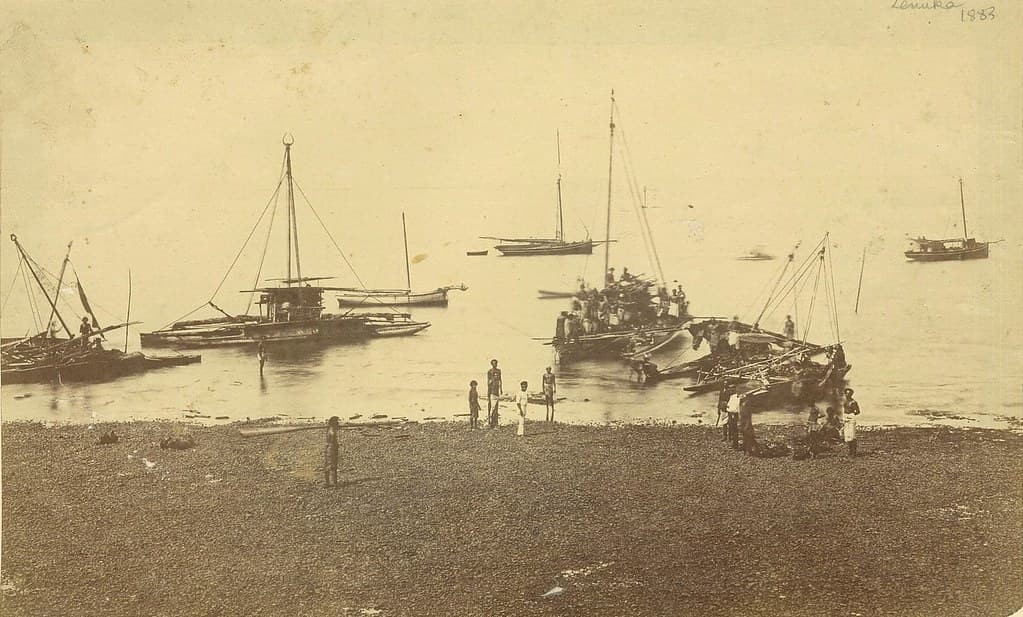
The beach curves gently between two low headlands, backed by coastal scrub and the occasional coconut palm rather than manicured resort gardens. Sand here is coarser than the offshore islands—tan and speckled with coral fragments, shell bits, the dried casings of sea urchins. You spread your towel near a beached fiberglass dinghy painted sky blue, its name hand-lettered in white across the bow. The water deepens gradually, warm as bath water, clouding slightly where a stream cuts through the sand during wet season. Village life continues around you without pause. Women wade knee-deep to scrub pots with sand and seawater. Boys dive off the community wharf, their splashes echoing off the hillside. An elder repairs a gill net in the shade of a pandanus, and you nod as he glances your way. There's no cafe, no rental hut, no attendant checking tickets. You're simply on the village beach, the same sand locals have used for generations to launch boats, dry fish, teach children to swim. By late afternoon the tide has pulled back, exposing mudflats where herons pick through the shallows. The beach empties as families head home for evening prayers and dinner. You watch the light turn golden on the hills across the bay, the same view that captains saw when Levuka was Fiji's capital and this coast was the center of island commerce.
Places, rentals, tours and events within walking and driving distance of Natokalau Beach.
Photos
Natokalau Beach offers generally safe swimming conditions suitable for families, particularly in the calmer areas near shore. As a village beach, local families use it regularly, which is a good indicator of safe conditions. However, conditions vary with tides and weather—always assess current sea state before entering the water. There are no lifeguards or formal safety facilities, so supervise children closely. Reef shoes are recommended to protect against rocks and coral fragments. Since this is a local beach, respect village customs and ask permission before using the beach if you're near residential areas.
The best time to visit Natokalau Beach is during Fiji's dry season from May to October, when you'll experience sunny days, less rainfall, and calmer seas. This period also represents the "less crowds" and "budget travel" season mentioned for this beach, as Ovalau sees fewer tourists than Fiji's main islands. Water remains warm year-round (25-28°C). The wet season (November-April) brings higher rainfall and occasional storms but can offer a more authentic experience with even fewer visitors. Weekdays are quieter than weekends when local families may gather at the beach.
To reach Natokalau Beach, first travel to Ovalau Island via ferry from Natovi Landing on Viti Levu to Levuka—a journey of approximately 3-4 hours. From Levuka, Natokalau is accessible by road, though you'll need to arrange local transport such as a taxi or rental vehicle. The road conditions can vary, particularly after heavy rains. Distance and travel time from Levuka depend on the exact beach location within the Natokalau area. Ask locally in Levuka for specific directions and current road conditions. Some areas may require permission from local villages to access.
Natokalau Beach has no commercial facilities, restaurants, or accommodations directly at the beach. Most visitors stay in Levuka, Ovalau's main town, which offers various guesthouses, small hotels, and budget-friendly lodging options. Levuka also has several local restaurants and cafes serving Fijian and international cuisine. For a beach day at Natokalau, bring your own food, drinks, and supplies, as there are no vendors. The village may have a small shop for basic items. Some visitors arrange homestays with local families for an authentic cultural experience, which may include traditional Fijian meals.
Natokalau Beach offers an authentic village-coast experience away from the relatively busier Levuka town area. It provides insight into everyday Fijian coastal life, where you'll likely encounter local families rather than tourists. The scenic setting combines natural beauty with cultural authenticity, making it ideal for travelers seeking genuine community interaction. Unlike resort beaches, Natokalau maintains its traditional character without commercial development. The quieter atmosphere appeals to visitors wanting to escape crowds while still being accessible by road rather than requiring boat transport. This combination of accessibility, local culture, and tranquility distinguishes it from both remote island beaches and resort areas.