Counting the waves…
Counting the waves…

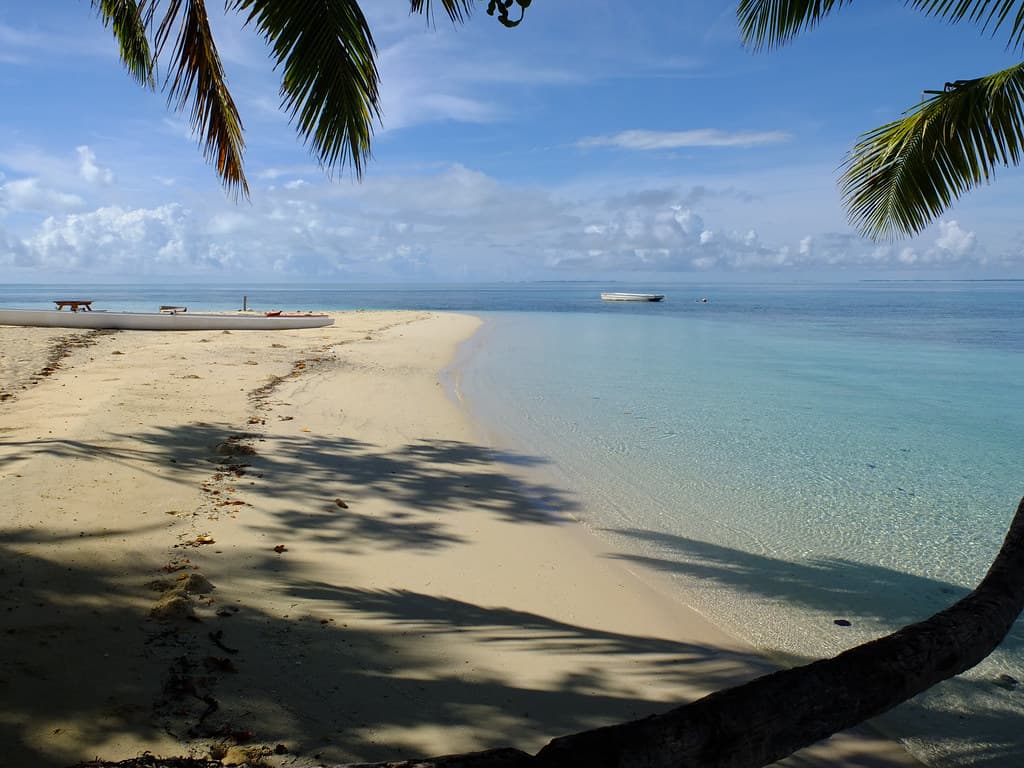
Yanuca Levu Beach wraps around the western edge of a small, reef-fringed island that sees perhaps a dozen visitors on a busy day. The sand here is powdered coral and shell fragments, fine enough to squeak underfoot and white enough to glow even in shade. A few coconut palms lean at improbable angles, their fronds rustling in the trade winds, and the beach curves gently northward before disappearing into a rocky headland thick with pandanus. The water is a study in gradients: pale mint in the shallows, turquoise over the reef flat, deepening to indigo where the shelf drops away. You pull on mask and fins and wade in waist-deep, and within seconds you're drifting over a coral garden alive with movement. Anthias swarm like orange confetti around table corals the size of car hoods, and parrotfish crunch through limestone with mechanical persistence. The reef slope is steep here—within twenty meters you're hovering over a blue void where whitetip reef sharks glide past with bored indifference. Currents can rip along the outer edge, especially on the outgoing tide, so you hug the shallower zones unless you're a strong swimmer. On shore, the island's interior is a tangle of scrub and coconut groves, home to hermit crabs the size of softballs and nesting seabirds whose cries echo across the flats at dusk. There are no facilities, no shade structures, no freshwater. Tour operators from Levuka and Caqalai visit occasionally, pairing Yanuca Levu with Snake Island or Caqalai for multi-stop snorkeling circuits. You bring everything you need—water, sun protection, a sense of self-sufficiency—and leave with sand in your shoes and the memory of water so clear you could count the spines on a sea urchin three meters below.
Places, rentals, tours and events within walking and driving distance of Yanuca Levu Beach.
Photos
Swimming is generally safe in the protected lagoon areas inside the reef. The fringing reef provides natural protection from ocean swells, creating calmer waters close to shore. However, always check conditions with your boat operator before swimming, as currents can vary with tides. Wear reef shoes to protect against coral and sea urchins when entering the water. Snorkelers should stay within the reef and be aware of boat traffic, as this is a boat-access-only beach with occasional marine traffic.
The optimal period is during Fiji's dry season from May to October, when you'll encounter less rain, calmer seas, and excellent visibility for snorkeling. This timeframe also means fewer crowds, as Yanuca Levu is already a quiet destination. Water temperatures remain warm year-round (25-28°C). Avoid the wet season (November to April) when heavy rains and cyclone risk can affect boat access and water clarity. Mid-week visits offer the most solitude, though visitor numbers remain low regardless of day.
Yanuca Levu Beach is accessible only by boat. Most visitors arrange transport from nearby Caqalai Island Resort or hire boats from Ovalau's main town, Levuka. The boat ride typically takes 20-40 minutes depending on departure point and sea conditions. Some operators offer day-trip packages combining Yanuca Levu with other nearby islands. There are no regular scheduled services, so pre-booking with resorts or local boat operators is essential. Sea conditions are calmest during morning hours, making this the preferred departure time.
Yanuca Levu has no permanent facilities, accommodations, or food services on the island itself. Visitors typically come on day trips and bring packed lunches, snacks, and plenty of drinking water. The nearest lodging options are on Caqalai Island or back on Ovalau in Levuka, where several guesthouses and small resorts operate. Day-trip operators sometimes include meals in their packages. Plan to be completely self-sufficient for your beach visit, bringing everything you need including sun protection, as there are no shops or services available.
Yanuca Levu stands out for its exceptional isolation and pristine reef-fringed waters with minimal tourist development. Unlike Fiji's more commercialized beaches, you'll often have stretches of white sand entirely to yourself. The surrounding coral reef offers exceptional snorkeling opportunities with vibrant marine life in crystal-clear turquoise waters. Its proximity to Caqalai makes it ideal for multi-island exploration. The beach represents authentic, undeveloped Fijian island beauty—no resorts, no crowds, just unspoiled nature. This remoteness appeals to travelers seeking genuine off-the-beaten-path experiences.