

Counting the waves…
Counting the waves…
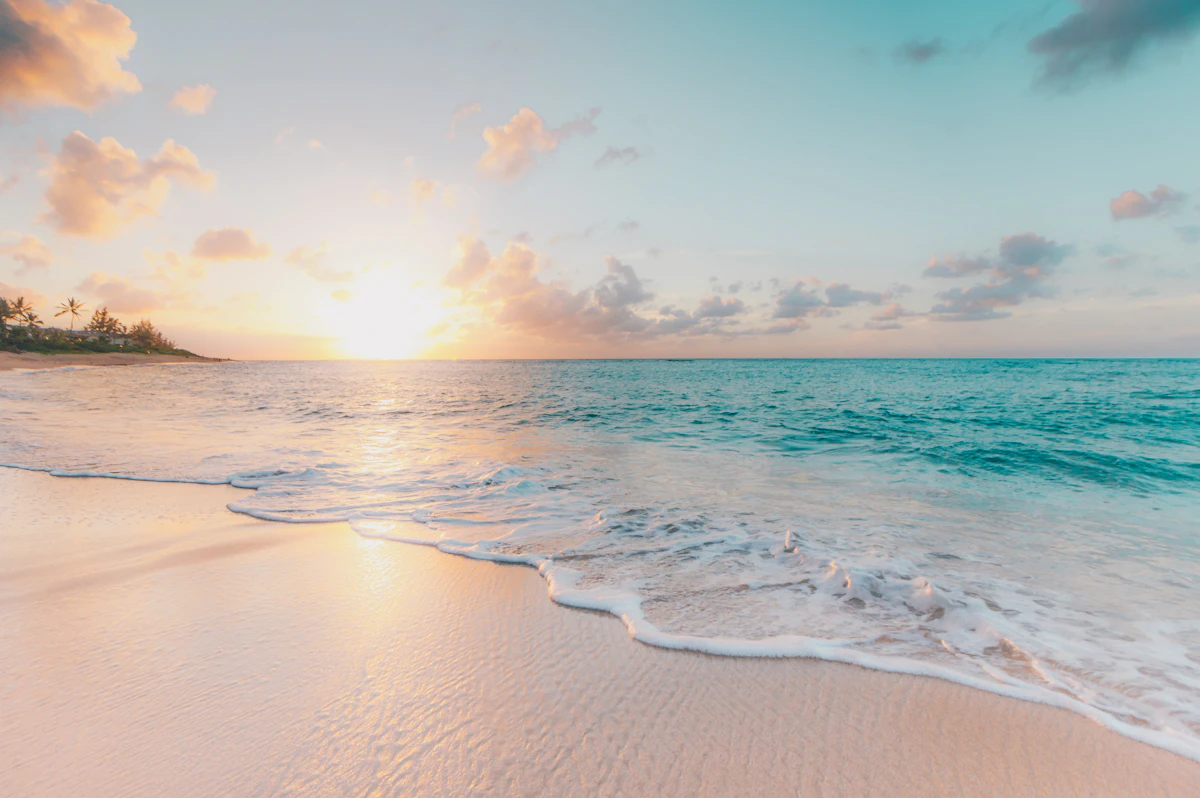
You pull off the Kings Road and the pavement gives way to crushed coral and grass. Nakorokula Beach unfolds in a gentle crescent, its sand the colour of raw honey beneath a fringe of ironwood trees. The shallows here are tepid and calm, barely a ripple as the lagoon breathes in and out. Children from the village wade knee-deep, collecting cowries, while their mothers hang laundry on lines strung between breadfruit branches. This is not a beach designed for visitors—it simply exists, functional and unhurried. Fishermen haul in hand-lines near the reef drop-off, their wooden canoes tilted on the sand. You spread a towel on the upper shore where the grass begins, and the sun presses down with the weight of wool. The only sounds are the low rasp of palm fronds and the occasional motorbike rattling past on the road behind you. Stay through the afternoon and you'll watch the light turn amber, the reef shadows lengthening across the lagoon. The sand cools under your feet. A dog trots past, indifferent. You rinse your hands in the shallows, tasting salt on your lips, and realize you've lost an hour without noticing. That's the cadence here—slow, undemanding, entirely real.
Places, rentals, tours and events within walking and driving distance of Nakorokula Beach.
Photos
Nakorokula Beach generally offers safe swimming conditions with its sandy shoreline and relatively protected position along the northeast coast. The beach's location between Rakiraki and Tailevu typically experiences moderate wave action, suitable for confident swimmers. However, conditions vary with weather and tides, so always assess the water before entering. There are no lifeguards or safety equipment at this local beach, so swimmers should exercise caution and never swim alone. Watch for any reef areas where currents may be stronger, and avoid swimming during rough weather or strong winds for your safety.
The best time to visit Nakorokula Beach is during Fiji's dry season from May through October, when you'll enjoy sunny days, comfortable temperatures, and minimal rainfall ideal for sun bathing and beach relaxation. This period offers the most reliable weather for outdoor activities. The beach's 'less crowds' nature means you'll find tranquility even during Fiji's peak tourist season. November through April is the wet season, bringing higher humidity and afternoon showers, though mornings can still be pleasant. For the quietest experience, visit on weekdays when local beach traffic is minimal along this regional coastal stretch.
Nakorokula Beach is located along the coastal road between Rakiraki and Tailevu on Viti Levu's northeast coast. From Rakiraki town, travel southeast along Kings Road, which follows the coastline. The beach is accessible by car or taxi, though you may need local directions to identify the specific access point, as signage may be limited. A private vehicle is recommended for flexibility and convenience. Roads are generally passable by standard vehicles during dry conditions, but always check current road status. The scenic drive along the Rakiraki-to-Tailevu route makes this beach useful for travelers exploring the region.
Nakorokula Beach is a local coastal beach without dedicated restaurants, resorts, or commercial facilities on-site. Day visitors should bring their own food, water, and supplies. The nearest town of Rakiraki offers various accommodation options including hotels, guesthouses, and resorts, along with restaurants serving Fijian and international cuisine. Rakiraki is known as a dive destination with better infrastructure than smaller villages. Alternatively, you may find village homestays in coastal communities for authentic experiences. Pack a picnic for your beach visit, as you won't find vendors or cafes directly at this undeveloped stretch of coastline.
Nakorokula Beach offers an authentic, uncrowded alternative to Fiji's busy resort beaches. Its location along the Rakiraki-to-Tailevu road makes it accessible for travelers exploring Viti Levu's northeast coast who want to experience local coastal life. The beach provides scenic beauty and family-friendly conditions without commercial development or tourist crowds. Visitors appreciate the genuine Fijian atmosphere, where you might encounter local families rather than tour groups. The beach serves as an excellent stop for road-trippers or those staying in Rakiraki seeking a quiet beach day. Its hidden nature rewards curious travelers with peaceful, unspoiled coastal scenery.