Counting the waves…
Counting the waves…
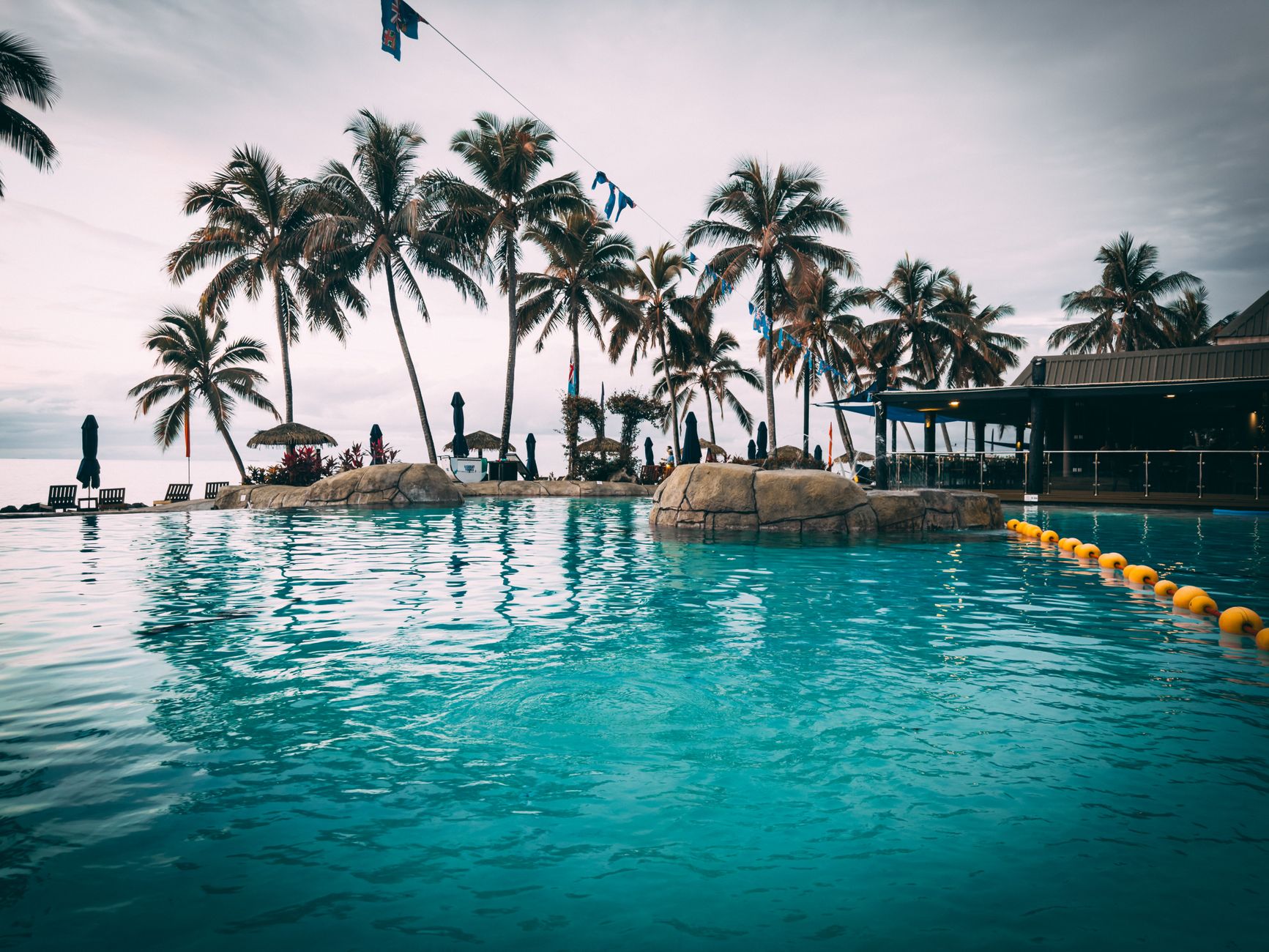
You reach the beach by walking through the village center, past open-sided houses where women weave mats and children chase chickens between hibiscus hedges. The sand starts abruptly where the grass ends, and within ten steps you're standing on a shore that curves gently in both directions, offering long sight lines across water that stays swimmable even when wind ruffles the surface. This is a working beach. Outriggers rest above the high-tide line, their paint faded to pastel ghosts of original colors. Fishing nets hang from poles, and you'll see men gathered in clusters repairing lines or debating the best grounds for tomorrow's trip. Kids build elaborate sand fortifications that incorporate driftwood, plastic buckets, and serious engineering ambition. The water is bathwater-warm and shallow far from shore—perfect for tentative swimmers and toddlers who shriek at every small wave. You can rent the shade under a spreading almond tree or claim your own patch of open sand. The beach empties and fills according to village rhythms: morning fishing departures, midday quiet when heat drives everyone inside, late-afternoon gatherings when entire families wade in still wearing their day clothes. Sunset here is communal rather than romantic, with groups spread along the beach watching the light fade while someone strums a ukulele nearby.
Places, rentals, tours and events within walking and driving distance of Hapmafau Beach.
Photos
Hapmafau Beach is generally safe for swimming, with calm waters typical of Rotuma's protected coastline. The sandy bottom and gentle slopes make it suitable for families with children. However, always check local conditions as currents can vary with weather and tides. There are no lifeguards on duty, so supervise children closely. The beach's location in a village setting means locals are usually nearby if assistance is needed. Avoid swimming during rough weather or high surf conditions.
The best weather for visiting Hapmafau Beach occurs during Fiji's dry season from May to October, when you'll enjoy sunny skies, lower humidity, and calmer seas. Temperatures remain warm year-round, typically 25-30°C. The wet season from November to April brings more rainfall and occasional cyclones, though the beach remains beautiful. As a central north-coast location, Hapmafau sees relatively more activity than remote beaches, so visiting during weekdays or dry season months offers the most comfortable conditions for sunbathing and swimming.
Reaching Hapmafau Beach requires traveling to Rotuma Island first, accessible only by chartered flight from Fiji's main islands or infrequent cargo vessels—a journey that can take 2-3 days by sea. Once on Rotuma, Hapmafau village is on the north coast and can be reached by local taxi or rental vehicle along the island's main road. The island is small, approximately 13 km long, making most locations accessible within 30 minutes. Arrange transportation through your accommodation, as formal rental services are limited on this remote island.
Hapmafau is a village community rather than a tourist resort area, so formal restaurants and hotels are extremely limited or nonexistent. Visitors typically arrange homestays with local families, which include home-cooked meals featuring fresh fish, root vegetables, and tropical fruits. Some guesthouses may operate informally—inquire through Rotuma community contacts before arrival. Bring essential supplies from Fiji's main islands, as shops on Rotuma stock only basic goods. The village setting offers authentic cultural immersion but requires advance planning for accommodation and meals.
Hapmafau Beach stands out as a central north-coast village beach, offering a blend of scenic beauty and community life. Unlike more hidden southern or western beaches, it's situated in an active village setting where you can experience daily Rotuman culture alongside your beach visit. The beach is ideal for families seeking a safe, accessible location with potential local interaction. Its position on the north coast provides good sun exposure for sunbathing, while the village atmosphere creates opportunities to learn about traditional Rotuman customs, making it both convenient and culturally enriching.