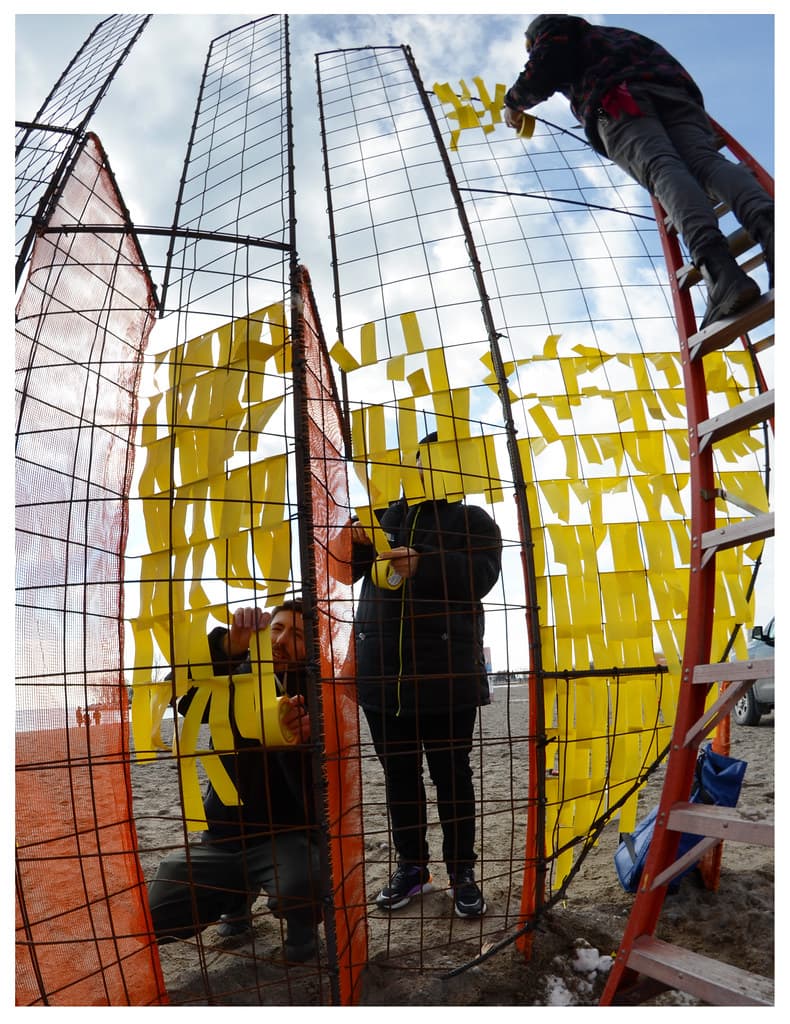
Counting the waves…
Counting the waves…
The sand here runs coarse beneath your feet, speckled with coral fragments and the occasional cowrie shell that locals once used as currency. You'll notice the ironwood trees leaning landward, shaped by decades of trade winds that sweep down from the north. At mid-morning, when the sun climbs high enough to turn the lagoon from jade to turquoise, hermit crabs emerge from the beach morning glory vines, dragging their borrowed homes across the tideline. There's no signage, no vendors, no infrastructure beyond a weathered outrigger pulled up beneath the palms. You share this beach with village children who splash in the shallows after school, their laughter carrying across the water as they practice diving for sea cucumbers. The reef sits close here—close enough that you can wade out at low tide and watch parrotfish grinding coral into the sand that will, eventually, rebuild this shore. By late afternoon, the light softens to amber, illuminating the spray where waves meet the outer reef. You'll feel the temperature drop as the breeze picks up, carrying the scent of woodsmoke from village cooking fires. This is Rotuma at its most unadorned: no pretense, no curation, just the daily rhythm of tide and tradition playing out on a beach the guidebooks haven't found.
Places, rentals, tours and events within walking and driving distance of Malhaha North Beach.
Photos
Swimming conditions at Malhaha North Beach are generally calmer than Rotuma's south-facing shores, as the north coast is more sheltered from prevailing swells. However, conditions vary with weather, tides, and seasonal patterns. The beach may have coral rubble, rocks, or uneven seafloor, so wear protective footwear. No lifeguards, safety equipment, or emergency services are available. Always check with Malhaha villagers about current conditions, tide schedules, and safe swimming areas before entering the water, and never swim alone.
Visit during Rotuma's dry season from May to October for the most pleasant weather and calmer sea conditions. The north-facing location typically offers more protection from swells compared to southern beaches, making it suitable for swimming during these months. Tourism on Rotuma is minimal year-round, so you'll find solitude regardless of when you visit. Avoid the wet season (November-April) when storms and heavy rainfall can make travel difficult and beach conditions less enjoyable. Coordinate your visit around infrequent weekly flights to Rotuma.
Reaching Malhaha North Beach starts with a flight from Suva to Rotuma, operating once or twice weekly with limited capacity. From the airstrip, arrange transportation to Malhaha village through local contacts or your accommodation provider—no formal taxi or rental car services exist. The beach is accessible by walking from the village. All travel to Rotuma requires advance permission from the Rotuma Island Council, and you should coordinate logistics weeks before your trip through official channels or community connections.
Accommodation must be pre-arranged through the Rotuma Island Council, typically in government guesthouses or family homestays within Malhaha or nearby villages. No hotels, resorts, restaurants, or shops serve tourists. Your host family will provide meals featuring fresh seafood, root vegetables like cassava and taro, and tropical fruits. Bring any specialty food items from Suva. The homestay experience offers authentic cultural immersion into Rotuman village life. All arrangements must be confirmed well before arrival due to limited infrastructure.
Malhaha North Beach represents one of Rotuma's most under-the-radar coastal spots with virtually zero tourism visibility, offering an authentic glimpse of local island life. The north-coast location provides sheltered swimming conditions and excellent sunbathing opportunities in complete solitude. This beach embodies the untouched character of Rotuma, where traditional village rhythms continue unchanged by outside influence. The intimate connection between Malhaha village and this beach creates opportunities for cultural exchange and understanding of Rotuman coastal traditions rarely accessible to outsiders.