

Counting the waves…
Counting the waves…
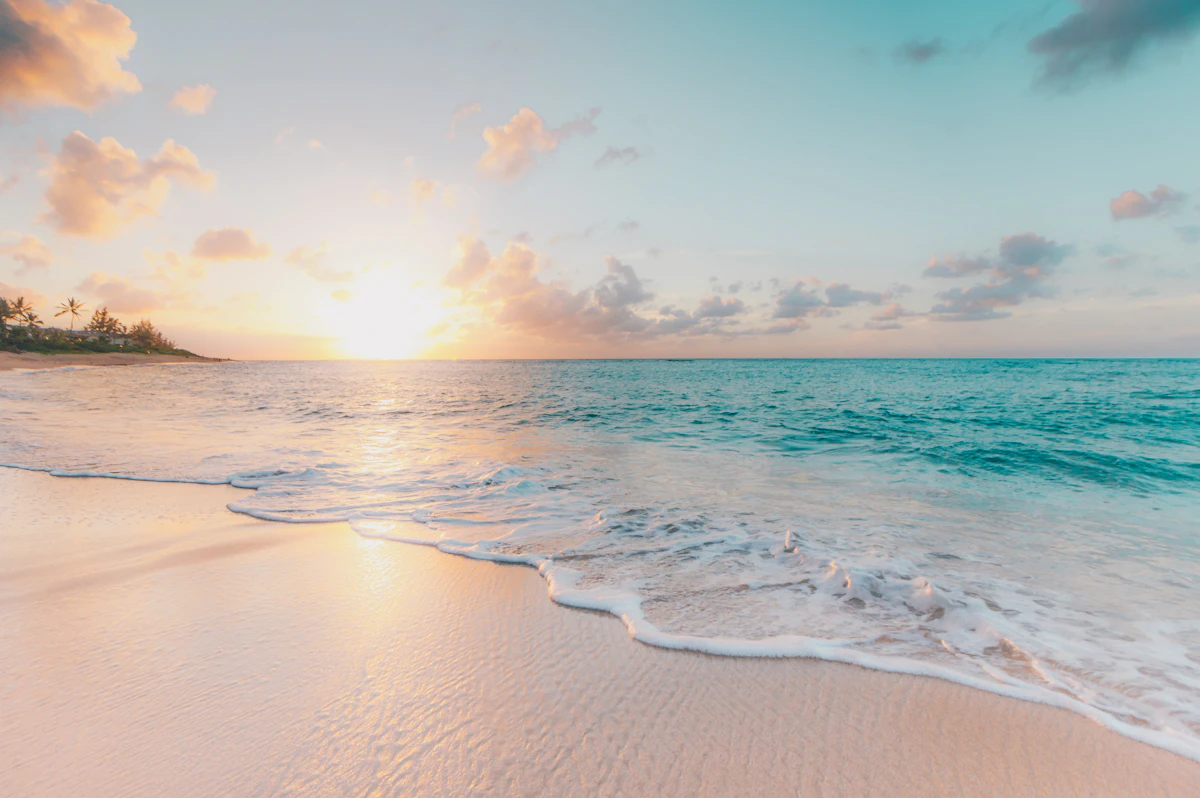
Drawaqa doesn't announce itself. The island is small enough that you'll circle it in an hour's swim, and the beach occupies a protected indent on the lagoon side. From the sand, you can watch darker patches in the water—coral bommies rising like underwater cathedrals—and see the white flash of waves breaking on the outer reef a few hundred meters out. The real draw lies just offshore. Manta rays congregate in a cleaning station where the reef drops away, their wingspans wider than you are tall. Snorkelers float above them, close enough to see remora fish clinging to pale bellies. The lagoon funnels plankton through these channels, and the mantas know the timetable better than any dive operator. Between manta encounters, you'll drift over gardens of staghorn coral, their branches housing damselfish that flash neon blue when sunlight penetrates the surface chop. Back on the beach, the scene stays quiet. A few palm-thatch shelters mark where boats drop snorkeling groups, but the sand itself rarely sees crowds. High tide pushes right up to the vegetation line, narrowing your sunbathing real estate but making the swim-in entry even easier. The lagoon stays shallow for thirty meters out, warm as bathwater, before the bottom falls away toward the deeper channels where the big fish cruise.
Places, rentals, tours and events within walking and driving distance of Drawaqa Lagoon Beach.
Photos
Drawaqa Lagoon Beach is excellent for snorkeling, with easy reef access and typically calm, clear turquoise waters. The lagoon setting provides natural protection, making it suitable for swimmers of varying abilities. The main attraction is the nearby reef ecosystems teeming with colorful fish and coral formations. However, check tide schedules as very low tides can expose coral and limit swimming depth. Reef shoes are essential to protect feet from coral and sea urchins. Snorkeling conditions are generally best during high tide with good visibility. The area is also known for manta ray sightings seasonally.
The optimal time for visiting Drawaqa Lagoon Beach is May through October during Fiji's dry season, when underwater visibility is best and seas are calmest for snorkeling. Manta ray sightings peak from May to October when these gentle giants visit cleaning stations near Drawaqa. Plan snorkeling during high tide when water depth over the reef is greatest and marine life is most active. Morning hours often offer the clearest water before afternoon winds pick up. The beach sees fewer crowds year-round due to its off-the-beaten-path location, enhancing the peaceful snorkeling experience.
Accessing Drawaqa Lagoon Beach involves reaching the small Drawaqa Island in the Yasawas. The Yasawa Flyer ferry from Denarau Marina (near Nadi) serves nearby islands, though Drawaqa itself has limited direct service. Most visitors stay at accommodations on neighboring islands and arrange day trips or boat transfers to Drawaqa. Some dive operators and snorkeling tours specifically visit the lagoon for manta ray encounters. The beach's remote nature means it's not as straightforward to access as more developed Yasawa destinations—coordinate carefully with tour operators or resorts who know local boat schedules and conditions.
Drawaqa Island has very limited infrastructure and minimal permanent accommodation options due to its small size. Most visitors access the beach on day trips from resorts on nearby larger Yasawa islands like Naviti or Nanacula. If overnight stays are available, they're typically basic village homestays with simple meals included. There are no restaurants or commercial food outlets—expect traditional Fijian meals prepared by hosts if staying overnight. Bring drinking water, snacks, and sun protection from your base accommodation. The lack of development preserves the beach's pristine, hidden character but requires advance planning for food and lodging.
Drawaqa Lagoon Beach's primary distinction is its exceptional reef access and reputation as a manta ray hotspot, particularly at nearby cleaning stations. Unlike developed resort beaches, Drawaqa remains relatively undiscovered and absent from many tourist maps, offering a truly hidden gem experience. The intimate lagoon setting creates brilliant turquoise waters perfect for photography and peaceful snorkeling. Its small size and minimal infrastructure mean you'll often have the beach nearly to yourself. The focus here is purely natural beauty and marine encounters rather than amenities, appealing to adventurous travelers seeking authentic, uncrowded Fijian island experiences.