Counting the waves…
Counting the waves…

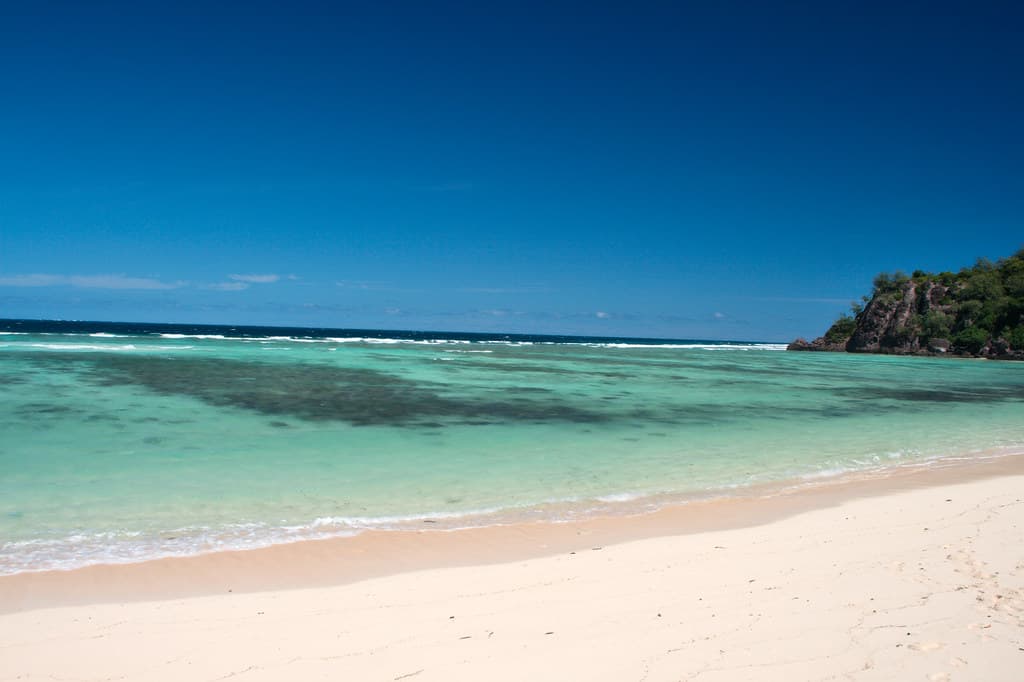
The beach is small enough to pace in thirty seconds—maybe twenty meters of white sand tucked between volcanic outcrops that anchor each end of the lagoon. You'll pull your kayak onto the sand and immediately notice the quiet: the surf that pounds the island's windward side arrives here as a distant murmur, filtered through the reef and absorbed by the lagoon's protected waters. The sand is coarse, heavy with coral fragments and small shells, the kind that crunches audibly underfoot. Wade in and you'll spot them within seconds: massive brain coral heads rising from the sandy bottom like boulders, some larger than a car, their surfaces etched with labyrinthine patterns that give them their name. Sergeant majors dart between the coral formations, their vertical stripes vivid against the pale sand. The water is warm and still, disturbed only by your movements and the occasional ripple from a reef fish passing through. You can stand here in chest-deep water and watch entire ecosystems function: wrasse picking parasites from larger fish, anemones retracting when shadows pass overhead, hermit crabs scuttling across coral surfaces. The lagoon deepens toward its mouth, where the reef almost closes the entrance. Snorkel out toward the gap and you'll find the coral transitions from brain formations to staghorn and table corals, healthier and more densely populated with fish. The current strengthens near the opening—incoming tide brings nutrients and cooler ocean water, and the fish know it. By mid-afternoon the lagoon becomes an aquarium, lit from above by unfiltered sun, every creature visible against the pale bottom.
Places, rentals, tours and events within walking and driving distance of Matamanoa Lagoon Beach.
Photos
Swimming at Matamanoa Lagoon Beach is very safe, thanks to its protected lagoon setting. The calm, shallow waters are ideal for swimmers of all abilities, including children. The white sand beach offers easy water entry with good visibility in the turquoise lagoon. As with any ocean swimming, be aware of changing tides and weather conditions. The lagoon's sheltered nature minimizes strong currents and waves. Snorkeling is popular here due to calm conditions and marine life, but always use appropriate equipment and swim with a buddy.
The ideal time to visit Matamanoa Lagoon Beach is May through October during Fiji's dry season, offering sunny weather, calm seas, and excellent snorkeling visibility. This period also sees fewer crowds compared to peak tourist months. November through April brings warmer temperatures and occasional rain, though the lagoon remains beautiful. For the quietest experience, visit during shoulder months like May, June, September, or October. The protected lagoon provides good conditions year-round, but dry season offers the most reliable weather for beach activities.
Matamanoa Lagoon Beach is accessible via boat from Nadi's Denarau Marina. Most visitors stay at Matamanoa Island Resort, which provides scheduled boat transfers for guests (approximately 60-90 minutes). Day trippers can arrange visits through island-hopping tours or private boat charters from Denarau. Some tour operators include Matamanoa in multi-island itineraries. Helicopter transfers are available for premium travelers. Book boat transport in advance, especially during peak season. The lagoon-side location means beaches are easily walkable once you arrive on the island.
Matamanoa Island Resort is the primary accommodation, offering beachfront bungalows and meal packages. The resort provides multiple dining options, typically included in accommodation rates or available à la carte. Day visitors should arrange meals through tour packages or confirm restaurant access with the resort beforehand. Resort facilities include bars and beachside service. Independent travelers should note that options outside the resort are non-existent on this small island. Booking accommodation well in advance is recommended, especially during Fiji's high season from June through September.
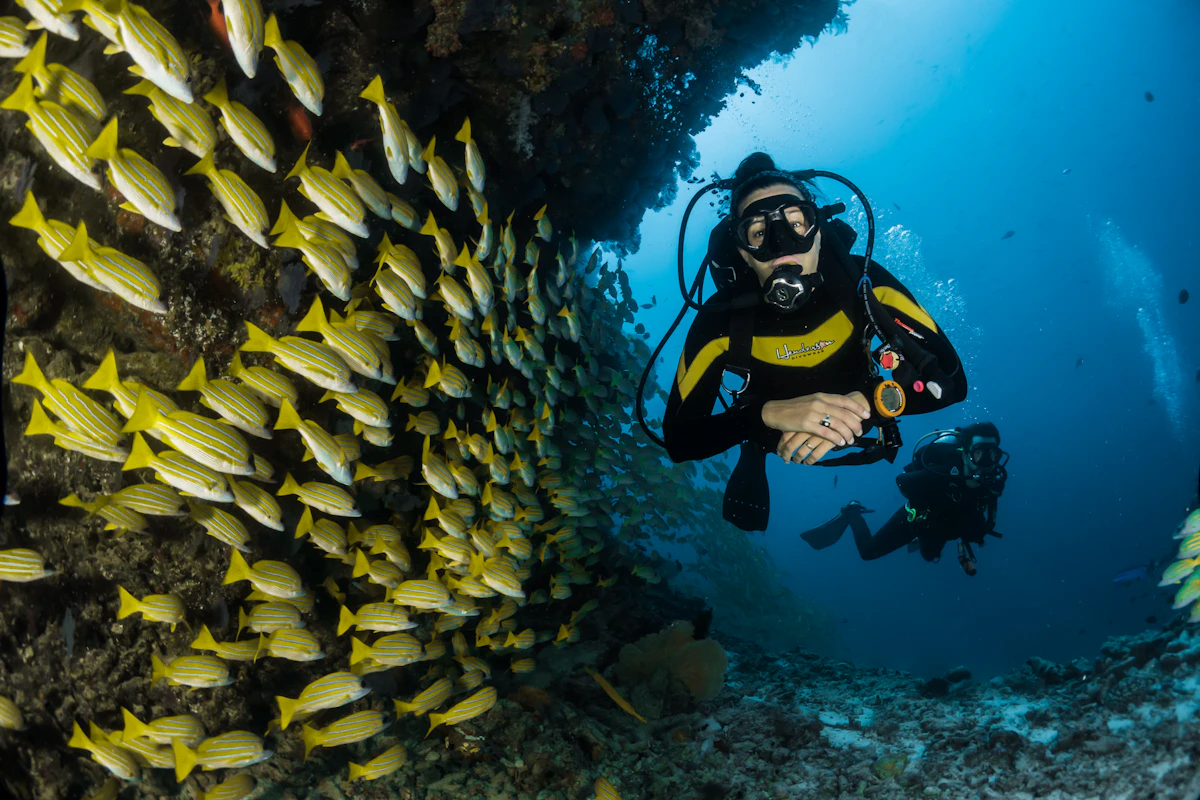
Matamanoa Lagoon Beach excels as a snorkeling destination due to its protected lagoon environment and thriving marine ecosystem. The calm, clear turquoise waters provide excellent visibility for observing coral formations and tropical fish. The lagoon's sheltered nature means snorkeling is possible even when outer reef areas are too rough. Reef accessibility directly from the beach makes it convenient for beginners and families. The area hosts diverse marine life including colorful reef fish, and the white sand bottom enhances underwater light. It's less crowded than some resort beaches, offering a more intimate snorkeling experience.