Counting the waves…
Counting the waves…
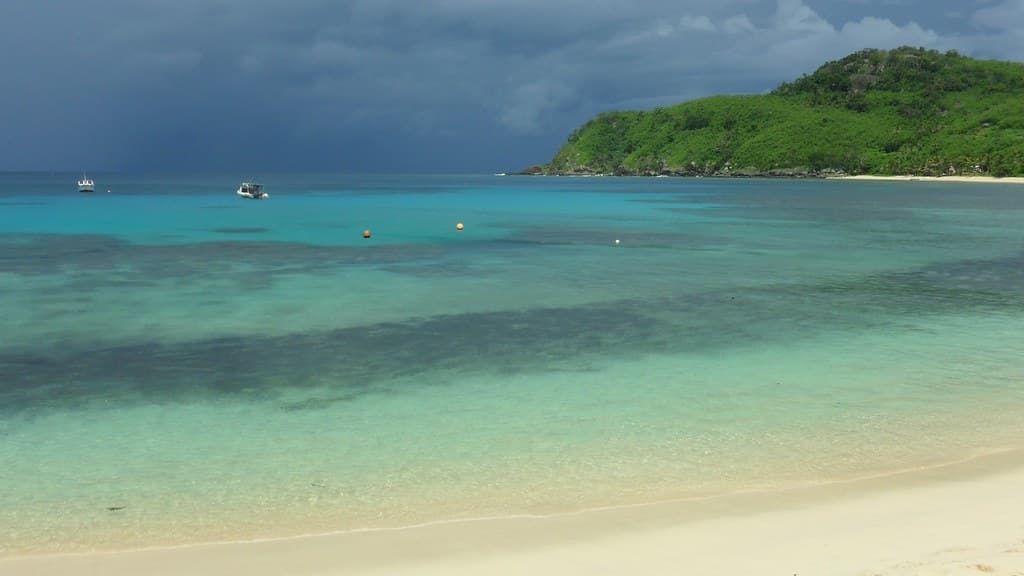
You approach by boat or by scrambling down a precipitous trail that switchbacks through dense vegetation. Namatayalevu Beach feels less like a destination than a geological afterthought, a slim margin where Waya's volcanic spine reluctantly meets the sea. The sand here carries the dark gray of weathered basalt, coarse beneath your feet and hot enough by midday to make you hop toward the water. The beach sits compressed between cliff and channel, rarely more than ten meters wide even at low tide. Coconut palms tilt at precarious angles from the slope above, their roots gripping soil that seems determined to slide oceanward. You'll share this space with fallen leaves, smooth stones worn oval by wave action, and the occasional land crab investigating debris left by the tide. The water deepens quickly—five steps in and you're swimming—and the current runs stronger here than in the protected bays to the north. Isolation defines Namatayalevu. No resorts cling to these cliffs, no villages crowd this inhospitable shore. You might encounter a fishing canoe passing offshore or a hiking group descending for a swim before climbing back to the ridgeline trail. Otherwise, you're alone with the sound of water on stone and the rustle of wind through the canopy above. It's beautiful in a raw, uncompromising way that reminds you islands aren't built for human comfort—we're just permitted to visit.
Places, rentals, tours and events within walking and driving distance of Namatayalevu Beach.
Photos
Namatayalevu Beach generally provides safe swimming conditions, particularly during calm weather in the dry season (May-October). The hidden bay setting offers some protection from open ocean swells, though conditions vary with tides and wind direction. As a remote beach with no lifeguard services, swimmers should be cautious and assess conditions before entering the water. The bay's coral reefs can have sharp edges, so reef shoes are advisable. Snorkeling is possible but stay aware of currents near reef drop-offs. Always inform someone of your plans when visiting remote beaches and avoid swimming alone for safety.
Namatayalevu Beach naturally attracts fewer visitors year-round due to its hidden location on Waya Island, but the quietest periods are typically April-May and September-October, shoulder months between peak and wet seasons. Even during the popular dry season (June-August), this beach remains relatively uncrowded compared to resort beaches. The wet season (November-March) offers the ultimate solitude but comes with higher rainfall and potential rough seas. Visiting on weekdays rather than weekends, when possible day-trippers might arrive, increases your chances of having the beach to yourself. The steep terrain backing the bay limits development, naturally preserving its peaceful atmosphere.
Reaching Namatayalevu Beach requires planning, as it's not directly accessible by main transport routes. First, take the Yasawa Flyer catamaran from Denarau Marina to Waya Island (approximately 2.5-3 hours). From your Waya accommodation, the beach typically requires hiking over hilly terrain or arranging a local boat transfer around the island. The path may be challenging due to Waya's steep topography, so wear sturdy footwear and bring water. Some resorts organize guided walks to hidden beaches. Alternatively, kayaking from your resort or hiring a local boat are options. Always seek local guidance before attempting to reach remote beaches independently.
Namatayalevu Beach itself has no facilities, so visitors stay at accommodations elsewhere on Waya Island, which range from backpacker hostels to small eco-resorts. Most Waya lodgings offer meal plans featuring Fijian cuisine and fresh seafood, as standalone restaurants are scarce. The island's village communities provide authentic cultural experiences with traditional lovo (earth oven) feasts often available. Given the remote setting, most properties include meals in their rates. Pack snacks and water when visiting Namatayalevu for the day, as you'll need to be self-sufficient. The nearest provisioning is at your accommodation or back on the mainland.
Namatayalevu Beach's defining characteristic is its dramatic setting: a secluded bay embraced by Waya's steep volcanic terrain, creating an amphitheater-like backdrop of rugged peaks and tropical forest. This geography gives the beach a genuinely remote, untouched feel rare even in the Yasawas. The hidden bay location means you'll likely have the beach largely to yourself, perfect for couples seeking romance and privacy. The challenging access preserves its pristine condition, as casual visitors rarely make the journey. The interplay between the white sand, turquoise water, and towering green cliffs creates spectacular scenery ideal for photography and peaceful contemplation far from tourist crowds.