Counting the waves…
Counting the waves…
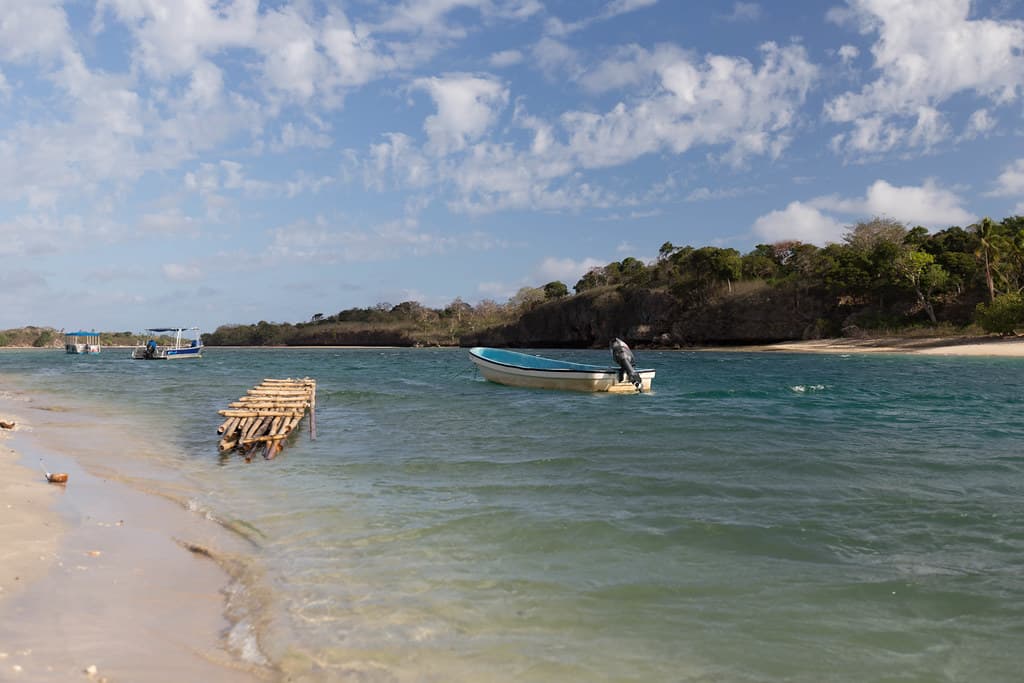
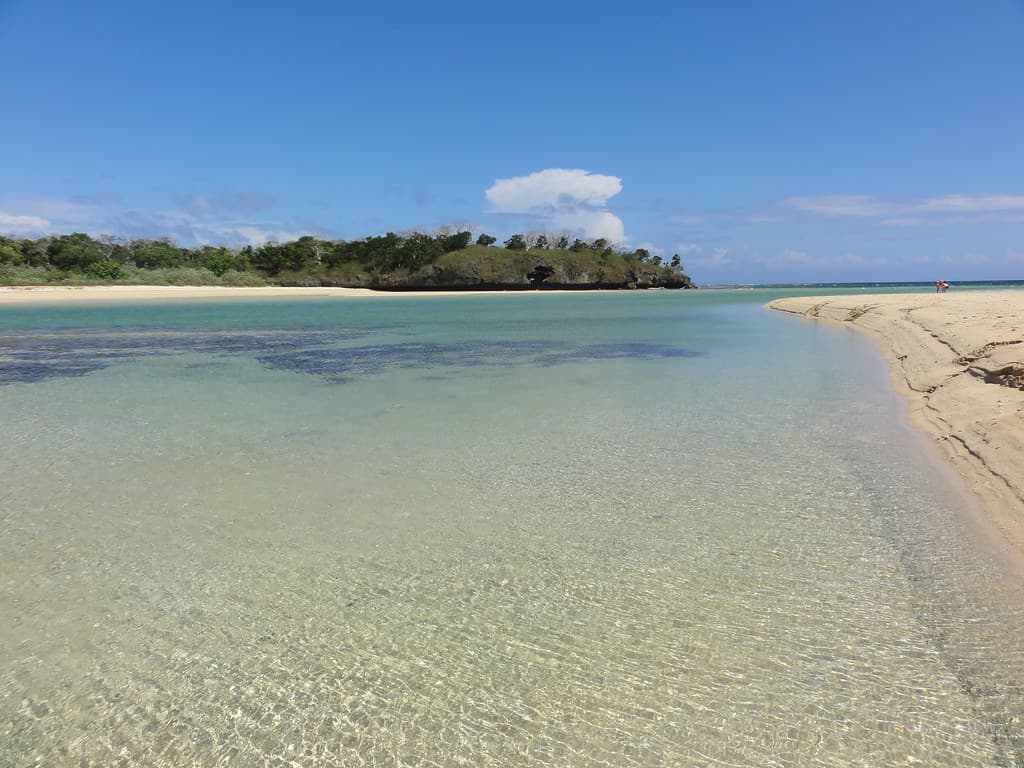
The beach at Yadua curves gently beneath slopes thick with tropical vegetation, the sand holding a warm beige tone that shifts to silver where the waves slide up and retreat. You can walk this shoreline for long stretches without encountering another traveler, your path occasionally crossing tidal pools left by the receding sea. Inland, the hills rise sharply, covered in dense green that contrasts with the open expanse of water stretching toward the horizon. The reef sits far enough offshore that you hear its rumble but swim in calmer water closer to the beach. Small outriggers rest on the sand near village access points, their bright paint faded by salt and sun. By late afternoon, the light softens, casting the hills in shades of amber and deepening the blue of the lagoon to something closer to indigo. You'll share Yadua with local villagers who treat the beach as an extension of their daily routines—fishing, gathering, walking. There are no umbrellas for rent, no bars serving tropical drinks. Instead, you get an honest stretch of coastline where the landscape does the talking, where solitude feels earned rather than packaged, and where the absence of infrastructure becomes the very thing that makes the place memorable.
Places, rentals, tours and events within walking and driving distance of Yadua Beach.
Photos
Swimming at Yadua Beach is generally safe during calm conditions, particularly during Fiji's dry season from May to October when seas are calmer. As a local, less-developed beach, there are no lifeguards or safety services, so swimmers must assess conditions independently. Check tides, currents, and weather before entering the water. The rural location means fewer people around, so swimming with a companion is advisable. Ask local villagers for current information about water conditions, seasonal changes, or any areas to avoid for the safest experience.
Yadua Beach is best visited during Fiji's dry season from May through October, offering sunny weather, minimal rainfall, and calmer ocean conditions ideal for beach activities and sunset viewing. This period sees fewer crowds than major tourist beaches, enhancing the peaceful, rural atmosphere. For the quietest experience, avoid the peak months of July and August. The beach's scenic qualities and sunset views are accessible year-round, though the wet season from November to April brings more rain and potentially rougher seas, which may affect accessibility and enjoyment.
Yadua Beach is located on Viti Levu's south coast along the Coral Coast in a rural area. Access is via Queens Road, which runs along the coast connecting Nadi and Suva. From Nadi, drive southeast; from Suva, head northwest. Look for signage to Yadua village. Rental cars offer the most flexibility for reaching this quieter beach. Taxis can be hired from nearby towns or resorts. Local buses travel Queens Road, though you may need to walk from the main road to the beach through the village. Respectful interaction with locals is appreciated.
Yadua Beach is in a rural, village setting without commercial development, restaurants, or accommodation directly on-site. Visitors typically stay in nearby Coral Coast towns or resorts and visit Yadua as a day trip. The village may have small shops with basic supplies. For proper meals and lodging, consider staying in Sigatoka, Korotogo, or other developed areas along the Coral Coast, all within reasonable driving distance. Pack food, water, and supplies for a beach day, as services are minimal in the immediate Yadua area.
Yadua Beach distinguishes itself through its rural, uncommercial character and quieter surroundings compared to resort-dominated sections of the Coral Coast. The beach offers scenic beauty and excellent sunset views without tourist infrastructure, creating an authentic local experience. It's ideal for couples and travelers seeking solitude and a glimpse of traditional Fijian coastal life. The hidden, less-visited nature means you'll likely share the beach with local residents rather than tourists. This remoteness offers tranquility but requires self-sufficiency, as facilities and services are absent on-site.