

Counting the waves…
Counting the waves…
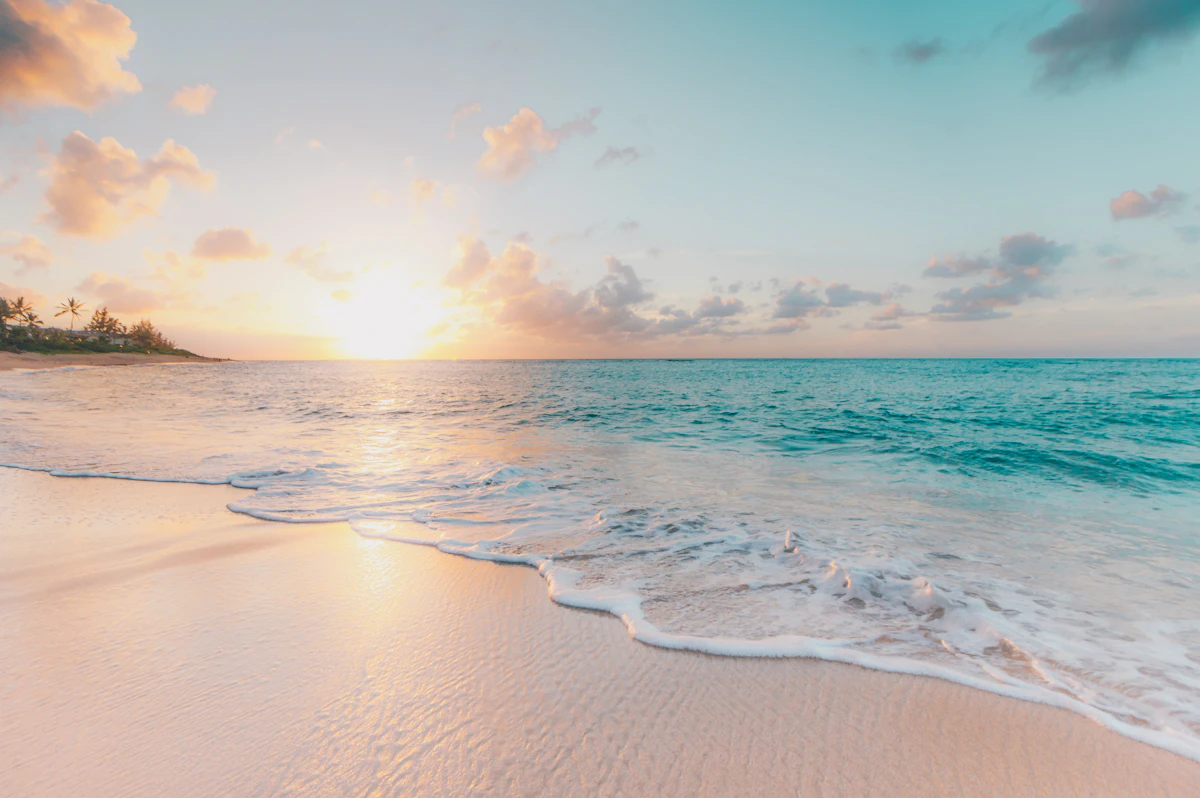
Nabukeru Beach occupies the tip of Yasawa Island's northern finger, a place so remote that most island-hopping boats skip it entirely. The sand here is the colour of wet cement, littered with pumice and bleached coral fragments that crunch underfoot. A scattering of wooden houses faces the water, their corrugated roofs held down by old tires and driftwood planks. Fishing canoes rest upside-down on the beach; during the day, the village empties as men head to deeper water and women walk inland to tend taro plots. The beach curves gently westward, open to wind and swell. There's no reef to gentle the waves, so the shore break slaps down with more force than the sheltered southern coves. You'll have the sand almost entirely to yourself—perhaps a child tending a cooking fire, or a grandmother shelling clams in the shade of a breadfruit tree. The water is cooler here, stirred by currents from the open Koro Sea, and the colour shifts from green to slate depending on the cloud cover. Above the tide line, the vegetation thins to scrub and salt-tolerant grasses. Hermit crabs click across the sand, dragging their scavenged shells. At low tide, tidal pools form in the rocky outcrops to the north, each one a miniature aquarium of gobies and anemones. There's nothing to do but walk, swim, and recalibrate your sense of what a beach is for. This isn't leisure—it's geography, the place where land finally surrenders to ocean.
Places, rentals, tours and events within walking and driving distance of Nabukeru Beach.
Photos
Swimming at Nabukeru Beach is generally safe, though conditions depend on weather and tides. The beach's remote, northernmost location means fewer protected coves, so waves and currents can be stronger than at more sheltered Yasawa beaches. Always assess conditions before entering the water and consult with village locals or your accommodation about current safety. There are no lifeguards or formal safety services, so swim cautiously and never alone. The sandy bottom is typically gentle, but be aware of potential coral or rocks in some areas. Check tide times for optimal swimming conditions.
Visit Nabukeru Beach during Fiji's dry season from May to October for the most reliable weather and calmer seas. This period offers sunny days with less rainfall, ideal for beach activities and sunbathing. The fewer crowds mentioned in the description are most noticeable outside the peak July-August and December-January holiday periods, so consider visiting in May, June, September, or October. The remote location means this beach sees fewer visitors year-round compared to southern Yasawa beaches. The wet season from November to April brings tropical showers but also lush scenery and solitude.
Reaching Nabukeru Beach requires commitment due to its northernmost Yasawa location. Fly to Nadi International Airport, then travel to Denarau Marina (one hour by road). Take the Yasawa Flyer catamaran ferry, which makes this one of the longest journeys in the island chain, typically four to five hours with multiple island stops. Some accommodations may require additional small boat transfers from the main ferry stop. The remote location means fewer daily transport options, so coordinate carefully with your accommodation. Always book ferry tickets in advance and confirm pickup arrangements.
Nabukeru Beach has very limited accommodation options, typically small village-based guesthouses or basic beach lodges that cater to adventurous travelers seeking authentic experiences. Dining is usually provided by your accommodation, featuring simple, home-cooked Fijian meals with fresh fish and local produce. Don't expect restaurants or cafes; meals are generally communal and included in basic accommodation packages. The village-side setting means genuine cultural immersion but minimal tourist infrastructure. Bring essentials from Nadi, as shops are extremely limited. This is a destination for travelers prioritizing remoteness and authenticity over amenities.
Nabukeru Beach's distinction lies in its position as the northernmost beach in the Yasawa chain, offering maximum remoteness and minimal development. The village-side location provides authentic Fijian cultural experiences rarely found at resort-dominated beaches. Visitors encounter traditional island life with opportunities to interact with local communities in their daily routines. The hidden, low-key nature means virtually no crowds, even during peak season, attracting travelers seeking genuine solitude. The journey itself becomes part of the adventure, rewarding those who make the effort with unspoiled coastal scenery and a glimpse of Fiji largely untouched by mass tourism.