Counting the waves…
Counting the waves…
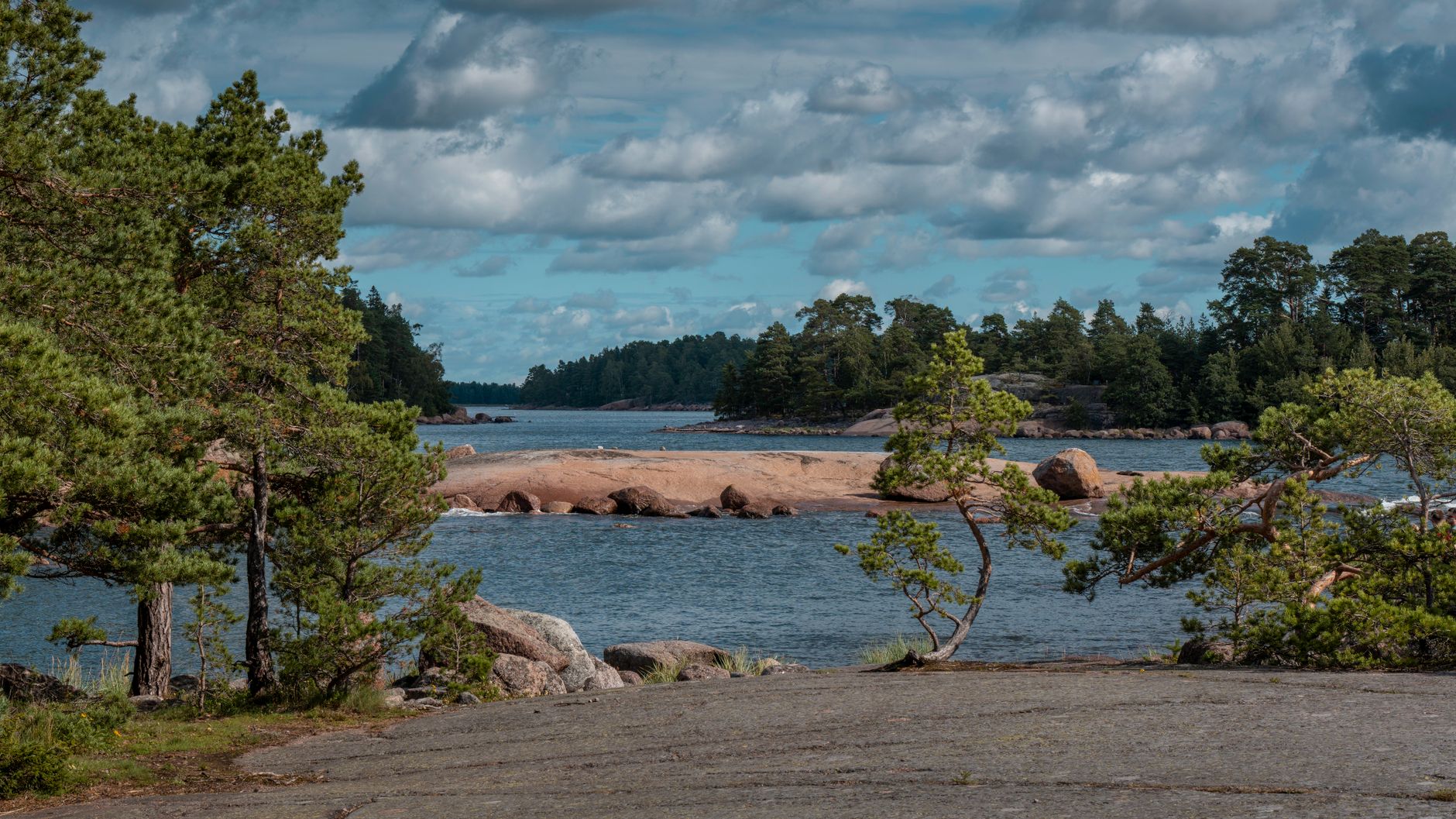
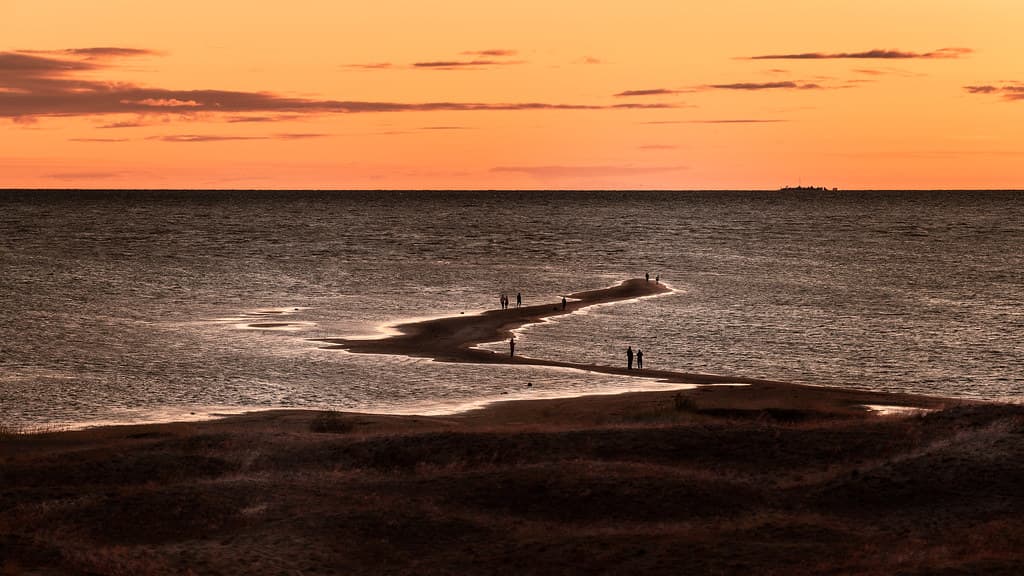
You'll find Yppäri by following local signs off the main coastal road—the kind of beach that doesn't appear on most tourist maps but fills with families from nearby towns on warm weekends. The sand is fine and pale, packed firm enough near the waterline for easy walking. Behind the beach, a fringe of pines provides shade and the occasional whiff of resin warming in the sun. The water enters so gradually that children can wade out thirty meters and still stand waist-deep. On sunny July days, these shallows turn bathwater-warm, and you'll see clusters of kids building elaborate sand cities while parents lounge on towels with books and coolers. The beach collects small, smooth pebbles along the tide line, and beachcombers fill pockets with stones worn round by the Baltic's gentle persistence. Facilities remain minimal—a simple changing cabin, perhaps a composting toilet—which keeps the crowds manageable even in peak summer. You'll hear mostly Finnish spoken, the rhythm of easy conversation between neighbors who've returned to this same stretch of sand for decades. The light at Yppäri has a softness to it, filtered through coastal air that carries both salt and the sweetness of sun-warmed pine needles.
Places, rentals, tours and events within walking and driving distance of Yppäri Beach.
Photos
Yppäri Beach is generally safe for family swimming, featuring a sandy bottom and shallow waters typical of the Bothnian Bay coastline. The gradual depth makes it suitable for children, though adult supervision is essential as lifeguards are typically not present at these smaller local beaches. Water temperatures in summer reach around 16-20°C. Conditions are usually calm, though wind can affect waves. As with all natural beaches, check weather forecasts before visiting. The beach's local, uncommercialized nature means fewer safety amenities, so come prepared and swim responsibly.
Visit Yppäri Beach between late June and August for the best weather and warmest water temperatures. July typically offers peak conditions with temperatures reaching 20-25°C and water around 17-20°C. For a quieter, more peaceful experience with fewer crowds, consider visiting on weekdays or during early June or late August. The beach's scenic qualities shine during Finland's long summer evenings, perfect for sunbathing and relaxation. The extended daylight allows beach visits until late evening. Avoid spring and autumn when the water is too cold for comfortable swimming.
Yppäri Beach is located in Pyhäjoki municipality between the towns of Kalajoki and Raahe along Finland's west coast. By car, access the beach via Highway 8, then follow local roads toward the coastal area—watch for signage directing to beach access points. From Kalajoki, it's approximately 40 kilometers north; from Raahe, about 40 kilometers south. Public transportation in this rural area is limited, making a private vehicle the most practical option. Parking is typically available near the beach entrance. Plan your route in advance using GPS coordinates or local maps.
Yppäri Beach is in a relatively undeveloped area with minimal on-site facilities. For food and supplies, visit Pyhäjoki town center or travel to nearby Kalajoki or Raahe, where you'll find restaurants, cafes, and grocery stores. Accommodation options include cottages, summer houses, and guesthouses in the Pyhäjoki area, with more extensive hotel choices in Kalajoki and Raahe. The beach's hidden, local character means you should bring your own food, drinks, and beach supplies for the day. This adds to the authentic, peaceful Finnish coastal experience.
Yppäri Beach offers an authentic, off-the-beaten-path Finnish coastal experience between the busier resort areas of Kalajoki and Raahe. Its hidden nature means fewer tourists and a more peaceful atmosphere, ideal for travelers seeking tranquility and genuine local beach culture. The sandy shoreline and scenic coastal landscape showcase natural beauty without commercial development. It's perfect for sunbathing, relaxation, and connecting with nature in an uncommercialized setting. The beach represents how locals enjoy their coast—simple, natural, and unpretentious—providing an alternative to resort beaches while maintaining excellent natural qualities.