Counting the waves…
Counting the waves…
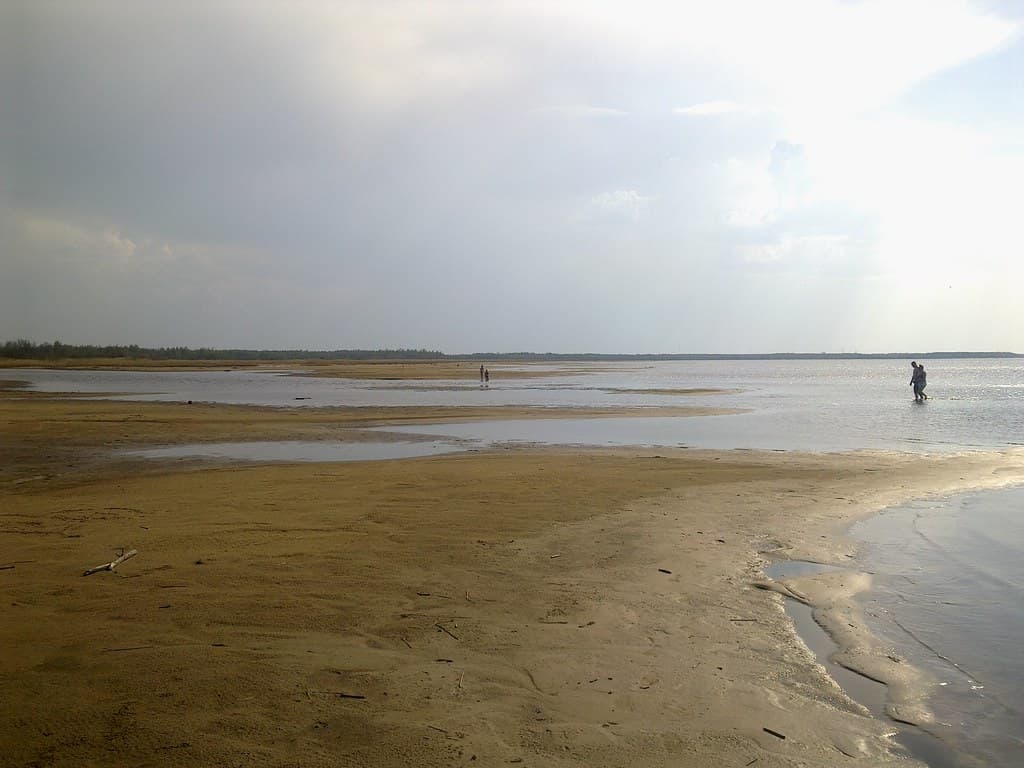
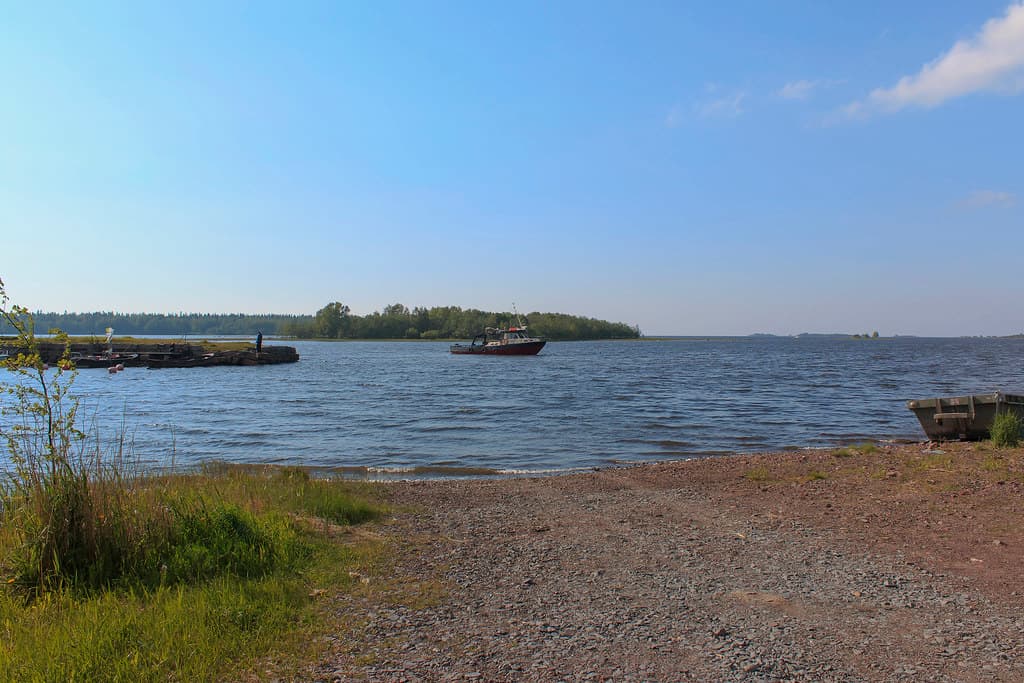
You arrive by boat, cutting engine as the island's profile sharpens—a mix of granite outcrops, low vegetation, and sand beaches tucked into sheltered coves. No permanent structures interrupt the landscape. No paths direct your exploration. You choose a landing spot based on wind direction and pull the boat onto sand that shows few other footprints. The island belongs to whoever makes the journey, and today that's you. The beaches here vary dramatically around the island's perimeter. The southern shore offers protected coves where water barely moves, perfect for swimming without fighting current. The northern exposure catches wind and presents a wider beach with coarser sand and stones polished smooth by endless wave action. Granite bedrock forms natural seating areas that radiate stored heat even as evening cools the air. You'll find yourself moving between sand and stone, seeking the perfect combination of sun exposure and comfort. Sunset from Iso-Kraaseli transforms the experience entirely. The western horizon opens unobstructed, and the low angle of northern summer sun creates light that seems to last forever. Water turns copper, then pewter, then deepens to ink. The mainland—Raahe and its industrial silhouettes—becomes abstracted by distance and light. You understand why locals guard this place carefully, sharing its location only with those who'll respect its emptiness. The boat ride back happens in extended dusk, navigation lights marking your path across darkening water.
Places, rentals, tours and events within walking and driving distance of Iso-Kraaseli Beach.
Photos
Swimming at Iso-Kraaseli is generally safe during calm weather, but exercise caution as you're on an island in the Bothnian Bay. The water is typically shallow near shore, suitable for families. Check local weather forecasts before your boat trip, as conditions can change quickly. There are no lifeguards on duty, so supervision of children is essential. The remote location means help is not immediately available, so inform someone onshore of your plans and carry a mobile phone in a waterproof case.
The ideal visiting period is June through August when water temperatures are warmest and daylight extends well into the evening. July offers the best combination of warm weather and long days for exploring this island beach. Visiting during weekdays or early mornings helps avoid crowds, though this hidden gem rarely gets busy. Late June and early July provide the famous midnight sun experience. September can be pleasant for scenic walks, though swimming becomes quite cold. Always check weather conditions before making the boat journey.
Iso-Kraaseli requires boat access, making it an adventure in itself. You'll need to arrange private boat transportation from Raahe harbor or use your own vessel if available. Some local tour operators may offer trips to the island during summer months. The journey from Raahe is relatively short but requires basic boating knowledge and attention to weather conditions. There are no regular ferry services, so plan your visit carefully. Ensure your boat is properly equipped with safety gear and check marine forecasts before departure.
The island itself has no commercial facilities, restaurants, or accommodations, so come fully prepared with food, water, and supplies. Pack a picnic and bring everything you need for the day, including sun protection and extra layers. All accommodation and dining options are in Raahe town, approximately 10-15 kilometers away by boat. The town offers hotels, guesthouses, cafes, and supermarkets where you can stock up before your island excursion. Plan to return to Raahe before evening unless you're equipped for wilderness camping.
Iso-Kraaseli's boat-access requirement creates a sense of adventure and isolation rarely found at mainland beaches. The island setting provides stunning sunset views across the Bothnian Bay with minimal light pollution. Its remote nature means you'll likely have long stretches of shoreline to yourself, perfect for peaceful contemplation or nature photography. The journey itself becomes part of the experience, offering glimpses of the archipelago landscape. This beach rewards those willing to make the extra effort with an authentic, undiscovered island atmosphere that typical roadside beaches cannot match.