Counting the waves…
Counting the waves…

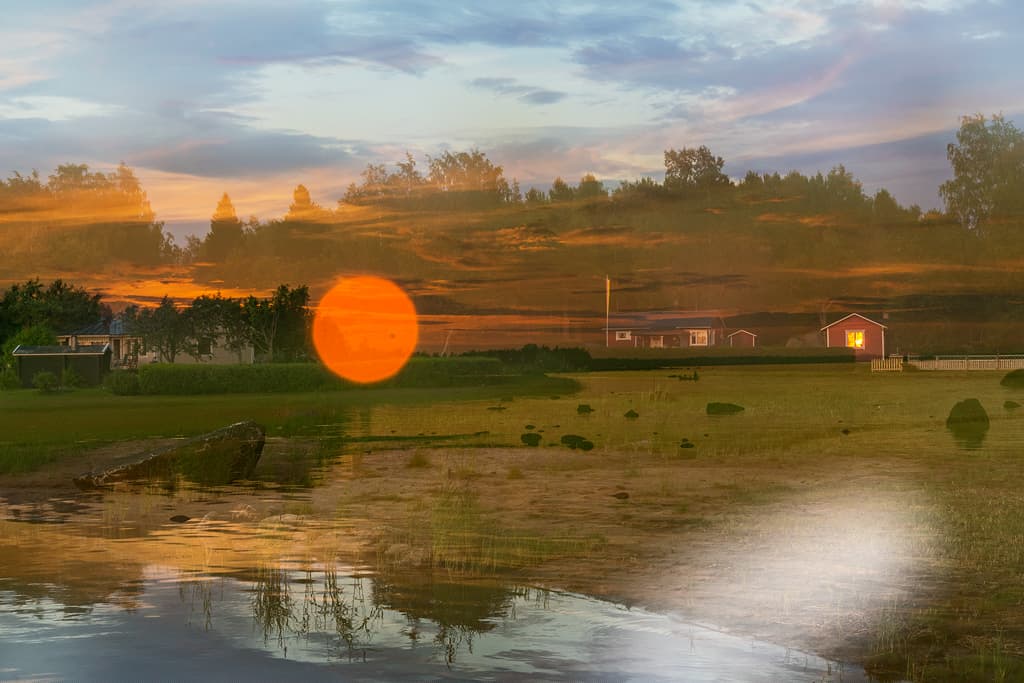
The approach tells you everything: a gravel lane tunnels through stands of Scots pine, then opens onto a crescent of pale sand hemmed by lichen-spotted boulders. Bosund sits on Larsmo's archipelago edge, where land dissolves into the Kvarken's signature confusion of skerries and channels. The water here is the colour of weak tea—tannins leached from peat and forest duff upstream—and so shallow that children can walk out past the first line of rocks without dipping their shoulders. A wooden pier juts into the bay, its planks silvered by decades of freeze and thaw. You'll see locals arrive with plastic bags of cinnamon buns and thermoses, claiming the same benches their parents did. The beach itself is narrow, backed by dune grasses and wild rose thickets that bloom shocking pink in July. No kiosks, no loudspeakers—just the creak of the pier, the occasional outboard motor puttering toward a fishing spot, and the dry whisper of pine needles underfoot. Stay past six o'clock and the light turns golden, stretching shadows across the sand and igniting the granite outcrops in shades of rust and ochre. The Gulf never truly gets warm, but on windless August afternoons the shallows lose their bite, and you can float on your back, watching swallows skim the surface for insects, the horizon stitched with the dark silhouettes of a hundred small islands.
Places, rentals, tours and events within walking and driving distance of Bosund Beach.
Photos
Bosund Beach offers a generally safe swimming environment with its sandy bottom and archipelago-sheltered waters. The beach is suitable for families, with calm conditions typical of the Larsmo coastal area. However, no lifeguards are present, so parents must supervise children at all times. Water temperatures remain cool even in summer, typical of the Gulf of Bothnia. The sandy entry is gentle, making it easier for children to wade. The quiet, local nature means fewer people but also fewer organized safety services, so swim responsibly.
The ideal time to visit Bosund Beach is during June through August when weather is warmest and swimming is most comfortable. July typically offers the highest water temperatures, though they remain cooler than southern European beaches. The beach's quiet character means it never becomes overcrowded, so even peak summer weekends remain peaceful. For maximum solitude, visit on weekdays or during early June or late August. The archipelago setting provides beautiful scenery throughout the summer season, with extended daylight hours enhancing the experience.
Bosund Beach is located in the Larsmo (Luoto) municipality along Finland's Ostrobothnia coast. Access requires driving, as public transportation to this small beach is very limited. From Kokkola, head toward Larsmo following coastal roads and local signage. The beach is part of the archipelago area, possibly requiring travel across bridges or causeways. A car is essential for visiting this hidden beach. GPS navigation or detailed regional maps will help locate this quieter coastal spot. Plan your route in advance as signage may be minimal in remote areas.
Bosund Beach is in a quiet area with limited immediate facilities. For accommodation, look for rental cottages in the Larsmo archipelago or hotels in nearby Kokkola, approximately 20-30 kilometers away. Dining options are limited locally; pack food and drinks for beach visits. Small seasonal cafes might operate in summer but cannot be relied upon. Grocery stores in Larsmo or Kokkola allow for picnic preparation. Many visitors rent summer cottages in the area for week-long stays, enjoying the peaceful archipelago lifestyle. Advance planning for meals and lodging is essential.
Bosund Beach embodies the quiet archipelago character of the Larsmo region, offering an authentic Finnish coastal experience away from tourist infrastructure. The beach combines sandy shores with the island landscape typical of this part of the Gulf of Bothnia. Its hidden nature means discovery by informed travelers rather than casual tourists, providing genuine tranquility. The area showcases the distinctive Swedish-speaking coastal culture of Ostrobothnia. Visitors experience unspoiled natural beauty, simple beach pleasures, and the peaceful rhythm of archipelago life that defines this less-visited Finnish region.