

Counting the waves…
Counting the waves…
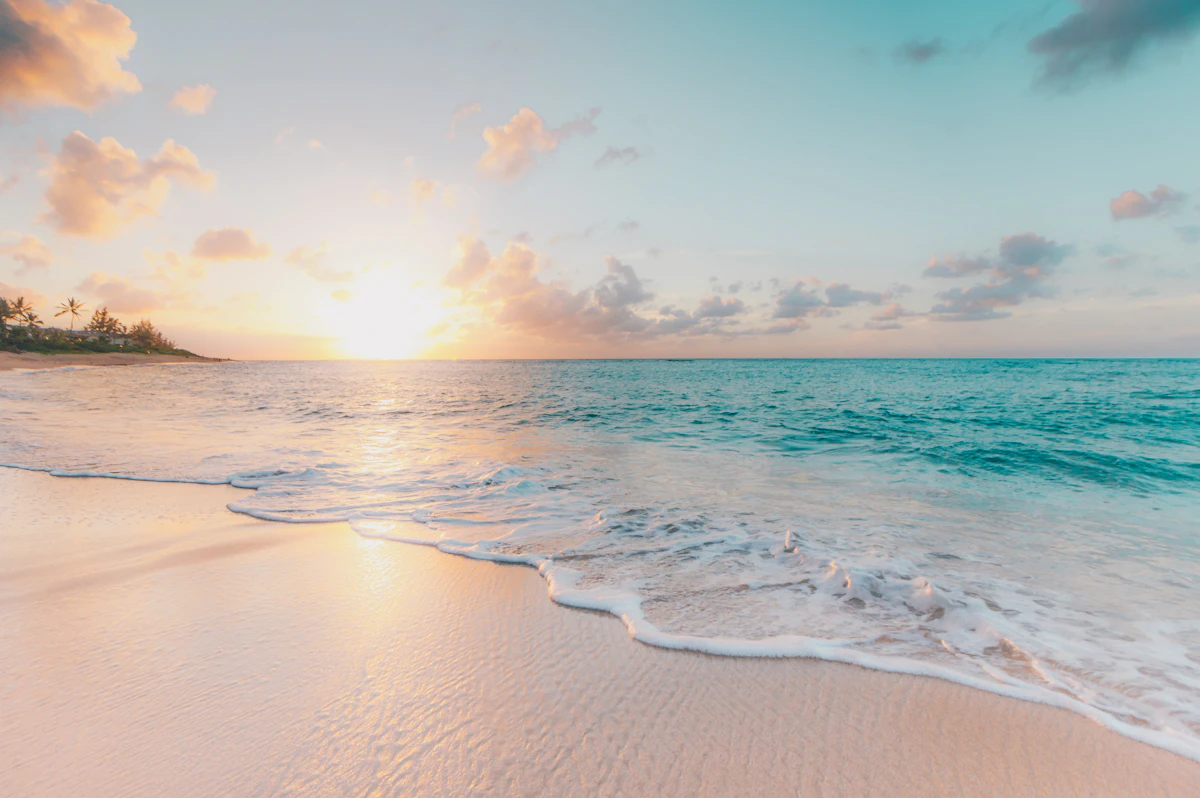
The drive deteriorates into something barely worthy of the name—two sandy ruts through low-growing junipers that scrape your car's undercarriage until you finally park and continue on foot. The path winds through wind-shaped trees, their trunks bent permanently eastward by prevailing gales, before opening suddenly onto a sweep of sand facing the open Kvarken waters. You're struck immediately by the absence of human infrastructure: no changing rooms, no trash bins, no signs instructing you what to do or not do. The beach curves in a broad arc, its sand coarser than the inner archipelago beaches, mixed with fragments of shells and rounded granite. Boulders left by retreating glaciers punctuate the shoreline at irregular intervals, barnacled at their bases where high tide reaches. The water is noticeably cooler here, fed by currents from the Bothnian Sea, its color shifting from green nearshore to deep slate further out where depths increase abruptly. Waves arrive with more authority than in protected bays, their steady percussion the dominant sound besides wind. Behind the beach, the land rises gradually to a ridge of exposed bedrock crowned with gnarled pines. Reindeer lichen grows in silver-grey patches where soil has barely established itself. You might see a boat pass on the horizon, but mostly you share this space with oystercatchers probing the strand line and the occasional curious seal surfacing offshore, its dark head regarding you briefly before sliding back under.
Places, rentals, tours and events within walking and driving distance of Panike Beach.
Photos
Panike Beach is generally safe for swimming during summer months, though water temperatures in the Kvarken Archipelago remain cool even in July and August. The sandy bottom makes entry gentle, but facilities are minimal at this remote location. Check weather conditions before visiting, as the archipelago can experience sudden changes. There are no lifeguards on duty, so supervise children closely. The isolation means mobile coverage may be limited, so inform someone of your plans before heading out to this hidden beach.
The best time to visit Panike Beach is during June through August when temperatures are warmest and daylight extends well into the evening. July offers the warmest water temperatures, though still brisk by international standards. Visiting during weekdays or early mornings ensures fewer crowds, which aligns with the beach's remote, peaceful character. Spring and early autumn can be beautiful for scenic walks along the shore, though swimming becomes uncomfortable. The midnight sun period in June provides exceptional light for photography and extended beach time.
Reaching Panike Beach requires a car, as public transportation options to this remote area are limited. From Vaasa, drive north through Mustasaari municipality following local roads toward the Panike area in the outer archipelago. The journey involves navigating smaller roads that may not be well-marked on standard GPS systems. Consider using local Finnish maps or asking at Vaasa tourist information for specific directions. The route may include narrow roads typical of archipelago communities. Allow extra time for navigation and enjoy the scenic coastal drive through the Kvarken landscape.
Panike Beach is in a remote area with very limited on-site facilities. Bring all food, water, and supplies with you, as there are no restaurants or shops nearby. The nearest services are in central Mustasaari or Vaasa, approximately 30-45 minutes away by car. For accommodation, consider staying in Vaasa, which offers hotels, guesthouses, and rental apartments. Some archipelago cottages may be available for rent in the wider area during summer months. Pack a picnic and plan to be self-sufficient during your beach visit to this isolated location.
Panike Beach offers an authentic remote archipelago experience in the UNESCO-listed Kvarken area, known for the world's fastest land uplift rate. The beach provides access to the unique moraine formations and evolving coastline characteristic of this geological wonder. Its isolated location means you'll likely have the sandy shore largely to yourself, perfect for quiet contemplation of the dramatic Nordic landscape. The surrounding area showcases the distinctive archipelago environment where land is literally rising from the sea, creating constantly changing shorelines and island formations that make each visit unique.