Counting the waves…
Counting the waves…
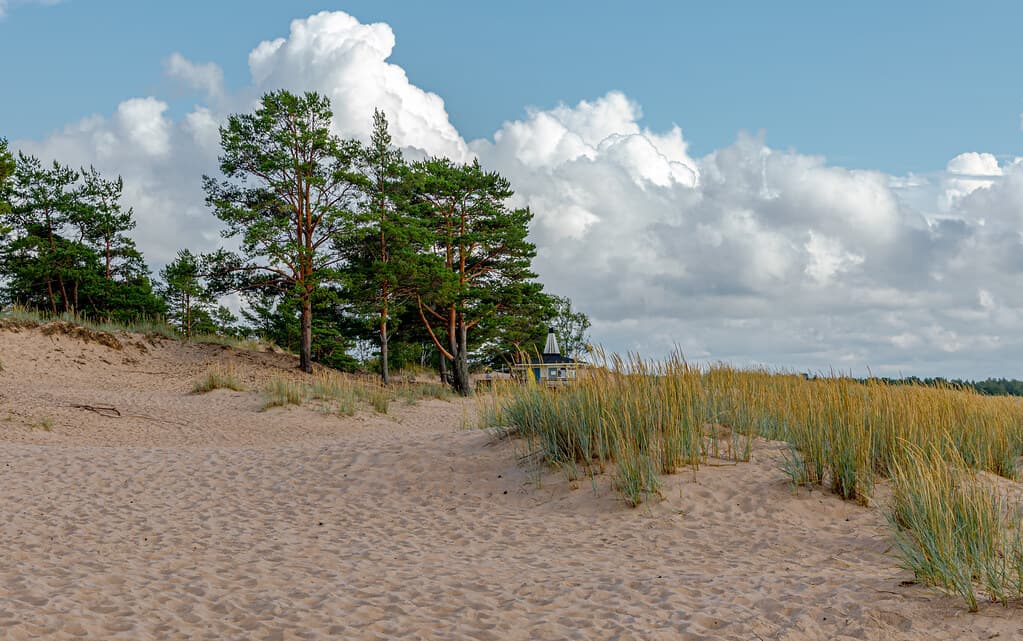
The island of Reposaari sits low and stubborn in the Bothnian Sea, connected to Pori by a slender causeway that hums beneath your tires. As you step onto the rocky shore, the wind carries the brine tang of open water and the faint diesel note from the fishing harbor a kilometer south. Granite boulders, smoothed by millennia of ice and wave, form natural tiers where you can sit and watch the light shift from pewter to amber. This is not a beach for spreading towels. The stones are warm under your palms in afternoon sun, textured with quartz veins and crusts of orange lichen. Gulls wheel overhead, their cries sharp against the rhythmic wash of water. On calm evenings, the sea turns glassy, reflecting the sky in shades of rose and violet that seem too saturated to be real. Local anglers cast lines from the outer rocks, their silhouettes dark against the sunset. A narrow footpath winds along the shoreline, passing weathered boathouses painted in fading reds and yellows. The air tastes of kelp and wild thyme. You'll find no crowds here—just the steady pulse of waves, the crunch of your boots on stone, and the sense that you've reached a place where the land simply runs out.
Places, rentals, tours and events within walking and driving distance of Reposaari Beach.
Photos
Swimming at Reposaari Beach is generally safe during summer months when water temperatures are tolerable, though the Bothnian Sea remains cool even in July and August. The rocky coastline requires careful entry into the water, and appropriate water shoes are recommended. There are no lifeguards on duty, so swimmers should be confident in their abilities. Check local weather forecasts before visiting, as winds can create choppy conditions. The remote island location means help is not immediately available, so never swim alone.
The best time to visit Reposaari Beach is during late spring through early autumn (May to September) for milder weather and longer daylight hours. For fewer crowds, visit on weekdays or during shoulder seasons in May or September. The beach is particularly stunning during sunset hours, offering dramatic views over the Bothnian Sea. Summer months (June-August) provide the warmest weather, though this is still coastal Finland with cool temperatures. Winter visits are possible for dramatic stormy seascapes but require proper cold-weather preparation.
Reposaari is an island connected to Pori by a bridge, located approximately 30 kilometers west of Pori city center. Drive via Route 8 and follow signs to Reposaari. The journey takes about 30-40 minutes by car. Public bus service connects Pori to Reposaari, though schedules may be limited, especially on weekends. Once on the island, the beach areas are accessible by local roads. Parking is available near coastal access points. Cycling is also popular, with dedicated bike paths connecting Pori to Reposaari.
Reposaari village offers limited dining options, including small cafés and possibly a local restaurant serving Finnish coastal cuisine. For more dining variety, return to Pori city center, which has numerous restaurants and supermarkets. Accommodation options on Reposaari itself are scarce, typically consisting of summer cottages available for rent. Pori offers hotels, guesthouses, and hostels with a fuller range of amenities. For a local experience, consider booking a traditional Finnish cottage rental. Stock up on supplies in Pori before heading to the island.
Reposaari Beach stands out for its authentic remote island atmosphere and rugged, rocky coastline that contrasts with Finland's more common sandy beaches. The island's location in the Bothnian Sea creates dramatic coastal landscapes with waves crashing against ancient rocks. Its relative isolation means fewer tourists, offering a peaceful escape with genuine Finnish coastal character. The sunset views here are exceptional, with unobstructed western horizons over the sea. The combination of rocky shores, island setting, and uncrowded environment makes it ideal for photographers and those seeking solitude.