
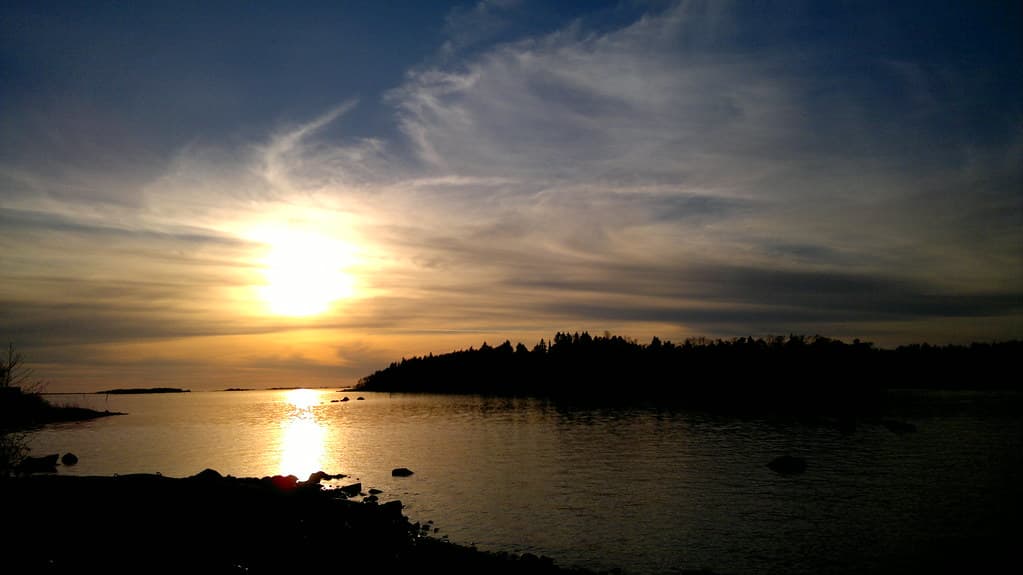
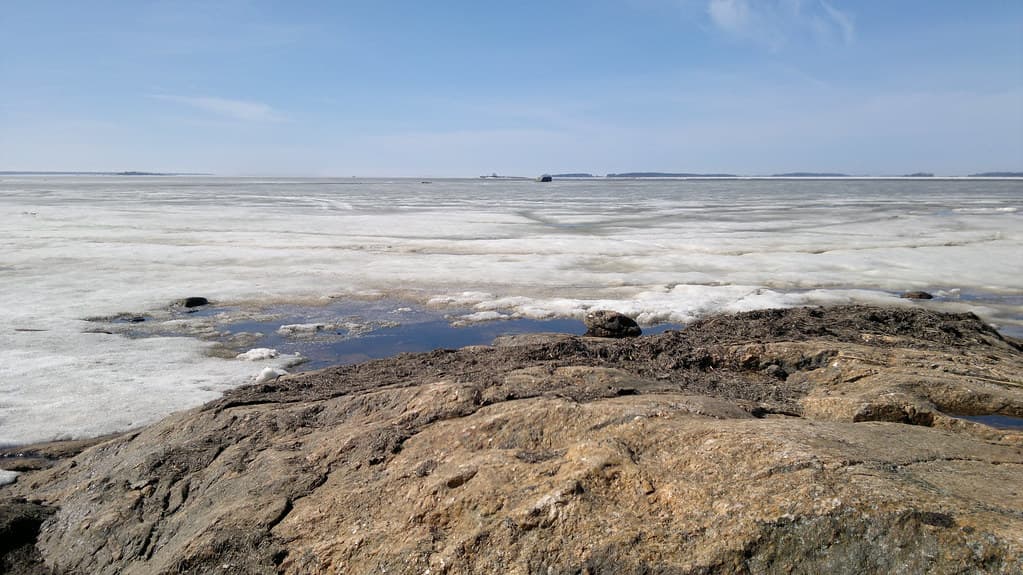
You'll find Otajärvi by ignoring the main beaches and following the coastal road until pavement yields to gravel and most visitors have turned back. The shore here consists of massive granite formations that slope gradually into the Bothnian, their surfaces worn smooth as soap by glacial action and ten thousand years of Baltic weather. Lichen patches the rocks in mustard yellows and seafoam greens, and in the crevices between larger formations, hardy beach roses bloom pink and fragrant in July.
“Natural granite formations create a beach entirely without sand, unknown to tourists passing through Rauma.”
 Credit: Flickr
Otajärvi Coastal Spot — photo by Tarmo Thorström
The swimming happens wherever you find a comfortable entry point—some locals favor the gentle slopes, others prefer the deeper sections where you can dive straight from waist-high rocks into three meters of clear water. Small pools form in natural depressions across the rock face, and these sun-warmed pockets become bathtubs by afternoon, especially popular with children and those who find the main sea too cold. Bring old shoes or sandals; the rocks, while smooth, can be slippery when wet and hot enough to scorch bare feet by midday.
What makes Otajärvi special is its absolute lack of infrastructure or crowds. You might share the rocks with one or two other groups, or you might have the entire coastline to yourself. The stone retains heat beautifully, staying warm even as evening air cools, and the lack of sand means no grit in your towel or your sandwich. Just you, the rock, the sea, and the particular silence of a place the guidebooks haven't discovered.


