Counting the waves…
Counting the waves…
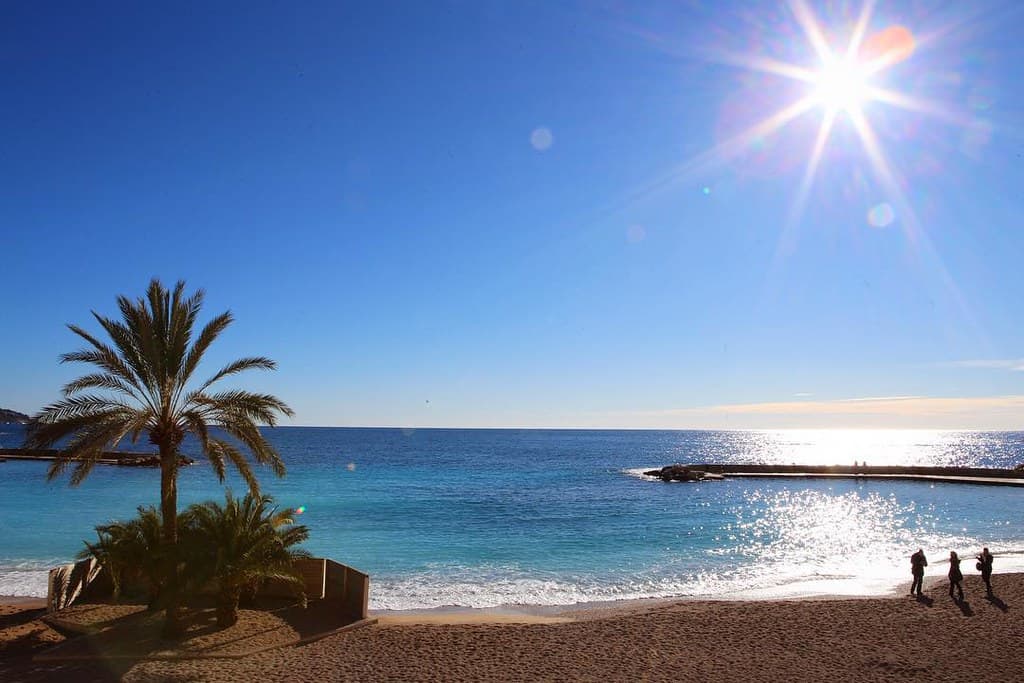
The Crique de la Dragonnière announces itself only to walkers threading the Promenade Le Corbusier, the coastal path that hugs Cap Martin between Roquebrune village and Monaco's glitter. Most hikers march past, eyes locked on Menton's pastel skyline or the modernist lines of Eileen Gray's E-1027 villa perched above. You'll spot the cove by its iron ladder bolted into the cliff face and a narrow cleft in the rock where sun-bleached fishing floats still hang from rusted hooks. The shore is all rounded stone—grey, rust, bone-white—smoothed by millennia of mistral winds and Mediterranean swells. No sand softens your approach. You spread your towel on sun-warmed boulders, wedging it between tide pools where tiny crabs scuttle. The water drops away sharply; three strokes out and your feet no longer graze bottom. Schools of silver sars dart beneath you, visible through water so transparent you can count the barnacles on submerged rocks six feet down. Above, umbrella pines lean seaward, their needles perfuming the air with resin. A villa's shuttered windows peer through the greenery—one of dozens built when this cape belonged to European aristocracy who summered here before the Riviera became a brand. Now the cove belongs to the few who know its name, who time their visit between the morning dog-walkers and the late-afternoon light that turns the cliffs to amber.

Places, rentals, tours and events within walking and driving distance of Crique de la Dragonnière.
Photos
Crique de la Dragonnière is safe for confident swimmers during calm conditions, but it's not ideal for families with young children. The rocky cove has deep water close to shore with an uneven bottom of rocks and pebbles. There are no lifeguards, facilities, or easy entry points. Strong swimmers enjoy the clear, deep water for snorkeling. Waves can be unpredictable when the sea is rough, and currents may be present around the rocky points. Access requires careful footing on rocks. Check weather conditions before visiting and never swim alone in this remote spot.
Visit during late spring through early autumn (May-September) for warm weather and calm seas suitable for swimming and photography. Early morning or late afternoon provides the best lighting for Instagram-worthy shots and avoids midday heat. Weekdays offer more solitude than weekends. The shoulder seasons (May-June, September) combine good weather with greater privacy. Summer mornings before 11am are ideal for peaceful visits before day-trippers arrive. Calm sea days are essential for safe swimming and snorkeling. Sunset visits offer romantic atmosphere and dramatic coastal views, though swimming isn't recommended in fading light.
The cove is accessed via the scenic coastal path (Sentier du Littoral) that runs along Cap Martin. From Roquebrune-Cap-Martin, follow signs to the coastal trail. The most common approach is from the Plage du Buse area, walking east along the path for about 15-20 minutes. Wear sturdy walking shoes as the path includes rocky sections and steps. Limited parking is available at trail access points; arrive early in summer. Public transport (bus line 100) stops nearby. The cove requires scrambling over rocks for final access. The journey is part of the experience, offering stunning Mediterranean views.
The cove is completely natural with no facilities whatsoever—no toilets, showers, food vendors, or shade structures. Bring all supplies including water, snacks, sunscreen, and umbrellas. The nearest restaurants and cafés are back in Roquebrune-Cap-Martin village or along the main coastal road, requiring a walk back along the trail. Plan accordingly and pack out all trash. The closest accommodations are in Roquebrune-Cap-Martin, Monaco, or Menton. This lack of development is precisely what makes the cove special for those seeking unspoiled nature and tranquility away from commercialized beaches.
Unlike developed Riviera beaches, this rocky cove offers complete seclusion and wild, unspoiled beauty. Its hidden location along the coastal path means only dedicated hikers and locals know about it. The dramatic rock formations, crystal-clear turquoise water, and absence of crowds create an intimate, romantic setting perfect for couples and photographers. The surrounding Cap Martin landscape provides spectacular Mediterranean scenery. It represents the Côte d'Azur before mass tourism—raw, beautiful, and peaceful. The sense of discovery and the stunning natural backdrop make it highly Instagrammable while maintaining authentic character that resort beaches cannot offer.