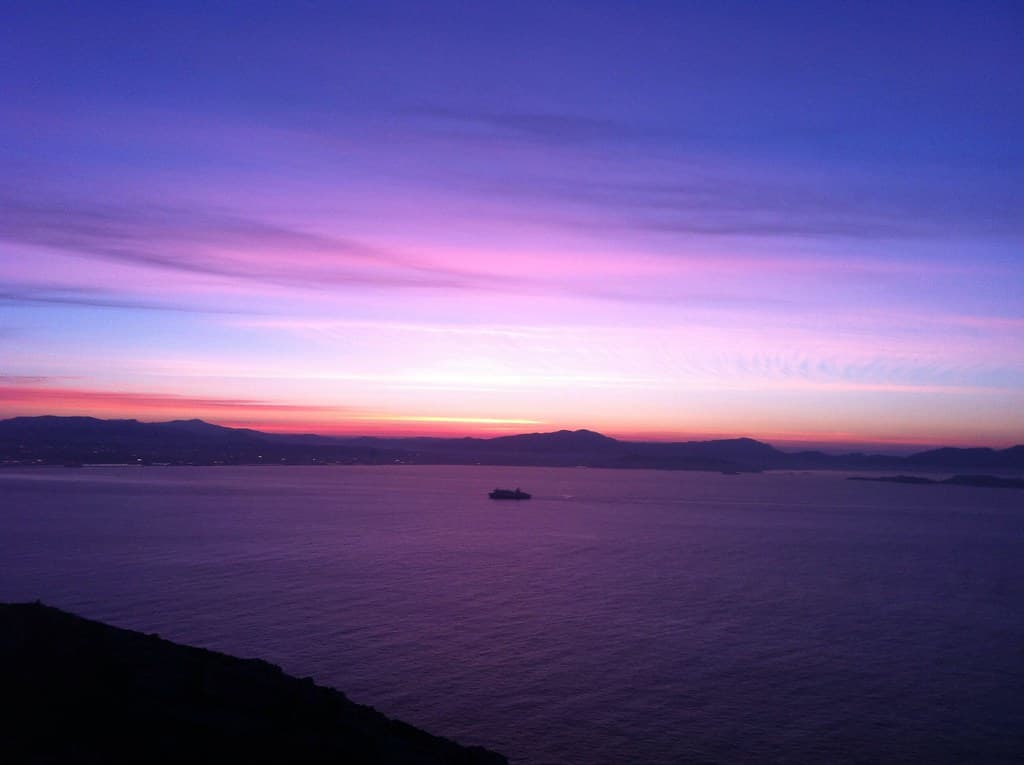
Counting the waves…
Counting the waves…
You descend a steep footpath through scrubland thick with rosemary and wild thyme, the scent rising with each footfall. When the trail breaks open, the cove appears below—a sliver of pebbled shore wedged between chalk-white limestone that plunges vertically into water the color of lapis lazuli. Unlike the crowded beaches of Marseille to the east, Cap Rousset sees mostly locals who know to arrive before ten or after five, when the light slants gold across the cliffs. The seabed here is a living catalogue of Provence's underwater world. You'll fin over boulders carpeted in green algae, past octopus lairs marked by scattered mussel shells, and through schools of saupes that graze the posidonia like sheep in a submerged pasture. Visibility often stretches fifteen meters, and the cove's shelter from the mistral means you can snorkel comfortably even when neighboring beaches are churned to foam. Bring reef shoes—the entry is all smooth stones that shift underfoot. Above water, the drama is geological. The calanque's walls bear the scars of ancient tectonic folds, striations of pale grey and ochre that catch the afternoon sun. A few Aleppo pines cling to crevices, their roots prying into the rock. There are no vendors, no umbrellas for rent, no lifeguard stand—just the rhythmic slap of wavelets against stone and the occasional whistle of a passing gull.
Places, rentals, tours and events within walking and driving distance of Calanque du Cap Rousset.
Photos
Calanque du Cap Rousset is generally safe for swimming and snorkeling during calm weather. The protected cove offers relatively sheltered waters, making it suitable for most swimmers. However, always check local weather conditions before visiting, as Mediterranean winds can create unexpected currents. The rocky seabed requires water shoes for comfortable entry. Snorkeling conditions are excellent with good visibility and diverse marine life. Avoid swimming during mistral winds or rough seas. There are no lifeguards on duty, so swim at your own risk and never alone.
The best time to visit is May through June or September through early October when you'll find pleasant weather with fewer crowds than peak summer months. July and August bring warm water temperatures ideal for swimming but also attract more visitors. Early morning visits offer the most peaceful experience and better lighting for photography. Weekdays are significantly quieter than weekends year-round. Spring offers wildflowers along hiking trails, while autumn provides warm water temperatures from the summer heat. Winter visits are possible but water is cold and some facilities may be closed.
Calanque du Cap Rousset is accessible from Carry-le-Rouet by car or on foot. By car, park in Carry-le-Rouet village and follow signs toward Cap Rousset; limited parking is available near the trailhead. A coastal footpath of approximately 20-30 minutes leads to the calanque, featuring some uneven terrain and steps. Wear sturdy walking shoes as the path can be rocky. The trail offers scenic coastal views along the way. Public transportation to Carry-le-Rouet is available via regional buses from Marseille, though schedules may be limited.
The calanque itself has no facilities, so bring food, water, and supplies with you. Carry-le-Rouet, just a short walk away, offers several restaurants, cafés, and bakeries serving fresh seafood and Provençal cuisine. The village has small hotels, vacation rentals, and bed-and-breakfasts for overnight stays. For more accommodation options, nearby Martigues or Marseille provide wider selections. Pack out all trash as there are no bins at the cove. Consider bringing a picnic to enjoy on the rocks, but remember to take everything with you when leaving.
Calanque du Cap Rousset is renowned among locals for exceptional snorkeling opportunities with crystal-clear waters and rich marine biodiversity. The rocky underwater landscape creates habitats for various Mediterranean fish species, sea urchins, and occasionally octopuses. The protected cove status helps preserve the marine ecosystem, offering visibility often exceeding 10 meters in good conditions. The relatively shallow areas near shore are perfect for beginners, while more experienced snorkelers can explore deeper sections. The lack of crowds compared to famous calanques near Marseille means a more pristine, undisturbed underwater environment for observing marine life.