Counting the waves…
Counting the waves…
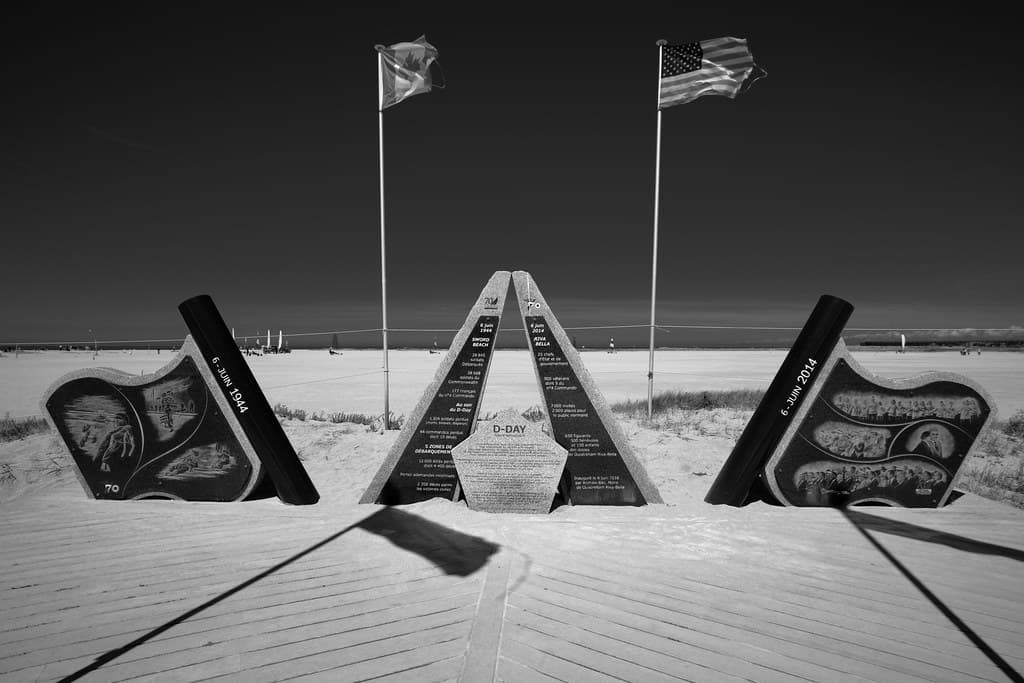
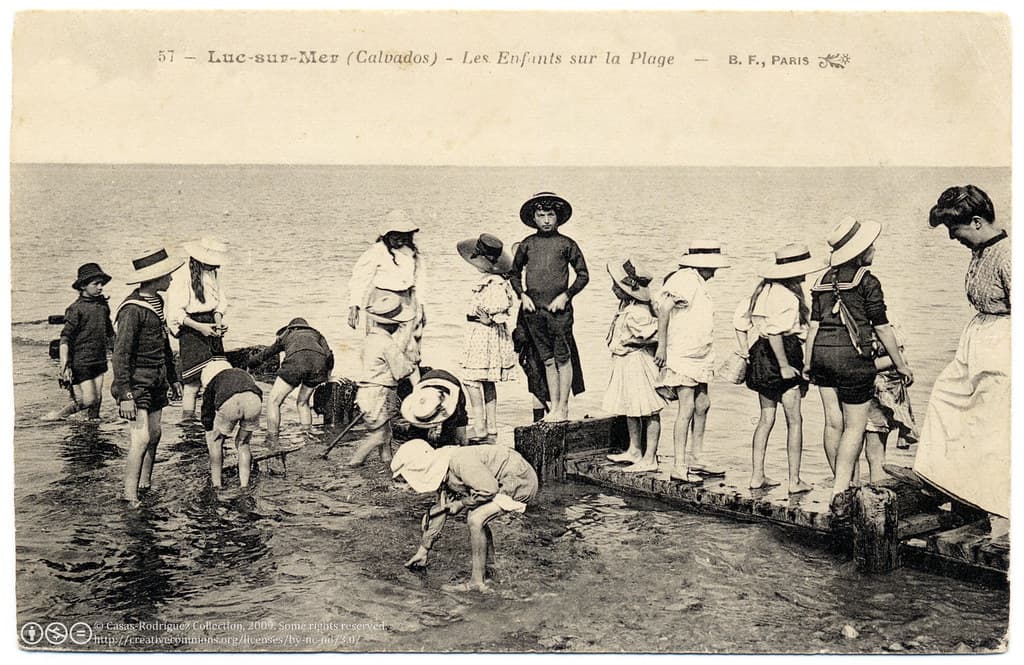
You park near the old casino—now a thalassotherapy spa—and cross the promenade where Norman families spread blankets between wooden groyne posts sunk deep into sand the colour of wet wheat. The beach stretches wide and flat at low tide, revealing ribbed sandbanks that mirror clouds drifting in from the Channel. Gulls pick at bladder wrack. A kite snaps overhead. Unlike the monument-heavy stretches to the west, Colleville-Montgomery wears its Sword Beach history lightly: a single commemorative statue, a few plaques, then back to the business of tides and picnics. The villas lining the shore—turreted, shuttered, unapologetically grand—belong to the same Belle Époque optimism that built seaside resorts before the wars. You feel the layers: Victorian swimmers, commandos wading ashore, your own footprints filling with seawater. Sunset here is a slow affair. The horizon flattens into pewter, then rose, then something nameless. Couples lean against the sea wall. Joggers leave dark tracks. By the time the lighthouse at Ouistreham blinks on, you've understood why locals guard this place quietly—not secret, just unsung, and all the better for it.
Places, rentals, tours and events within walking and driving distance of Plage de Colleville-Montgomery.
Photos
Plage de Colleville-Montgomery is generally safe for swimming during calm weather, with gently sloping sands ideal for families. However, as with all Normandy beaches, tides can be significant—check local tide tables before entering the water. The beach is unsupervised in most seasons, so swim cautiously and keep children closely monitored. Water temperatures are coolest from November to May. Currents are typically mild, but conditions can change with weather. Always observe warning flags if posted and avoid swimming during storms or high winds.
Summer months (June-August) offer the warmest weather and longest days, perfect for beach activities and swimming. However, late spring (May) and early autumn (September) provide quieter visits with pleasant temperatures and beautiful light for photography, especially at sunset. Winter visits appeal to peaceful walkers and history enthusiasts exploring nearby D-Day sites. The beach's scenic qualities shine year-round, though facilities and nearby restaurants may have limited hours outside peak season. For optimal weather and fewer crowds, consider visiting in June or September.
Plage de Colleville-Montgomery is located approximately 15 kilometers northeast of Caen in Normandy. By car, take the D514 coastal road from Ouistreham or Cabourg. Free public parking is available near the beach access points along Avenue de la Mer and neighboring streets. The beach is accessible from several points in the village. While there's no direct train service, buses run from Caen to nearby coastal towns, though a car offers the most convenient access. The beach is easily walkable from the village center.
The small village of Colleville-Montgomery offers several restaurants and cafés within walking distance of the beach, including seafood restaurants and crêperies, though options are more limited than in larger resorts. Basic amenities like public toilets are available near beach access points. For extensive shopping or more dining variety, nearby Ouistreham (8 km) and Cabourg (10 km) provide supermarkets and additional restaurants. Small hotels and vacation rentals are available in the village and surrounding area, offering quieter alternatives to busier coastal resorts.
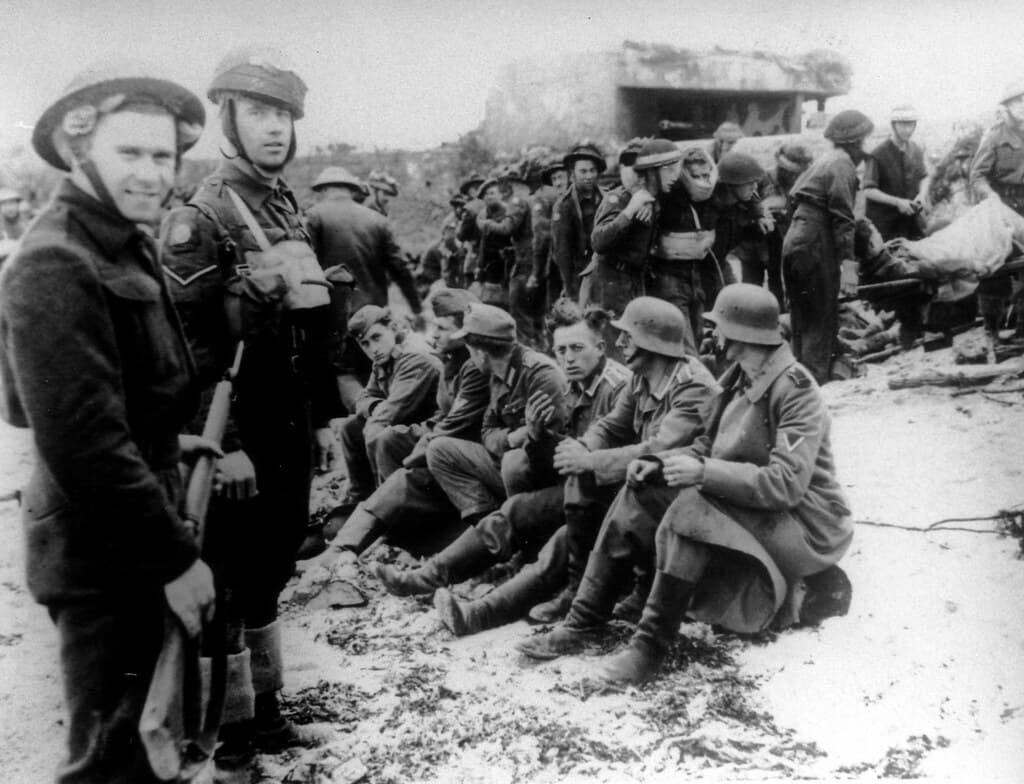
Plage de Colleville-Montgomery sits on the historic Sword Beach sector where British forces landed on D-Day, June 6, 1944. The town was renamed after British Field Marshal Bernard Montgomery following liberation. While less commercialized than other D-Day beaches, you'll find commemorative markers and monuments in the area. The peaceful, underrated nature of this beach today contrasts dramatically with its wartime significance. Nearby museums in Ouistreham and Bénouville offer deeper historical context, making this beach meaningful for both relaxation and historical reflection.