Counting the waves…
Counting the waves…

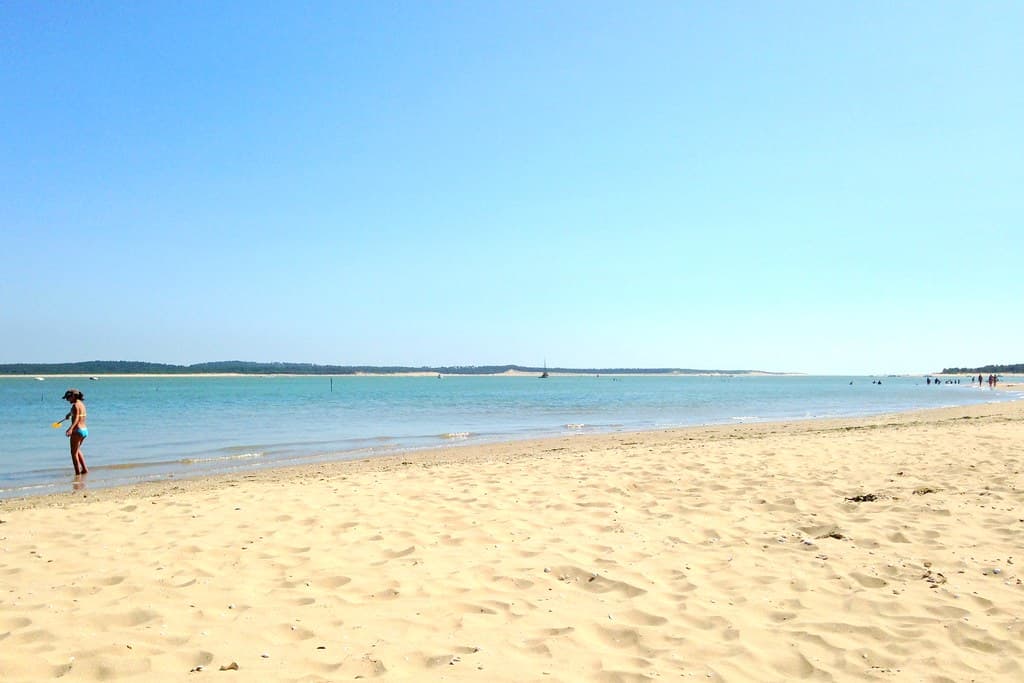
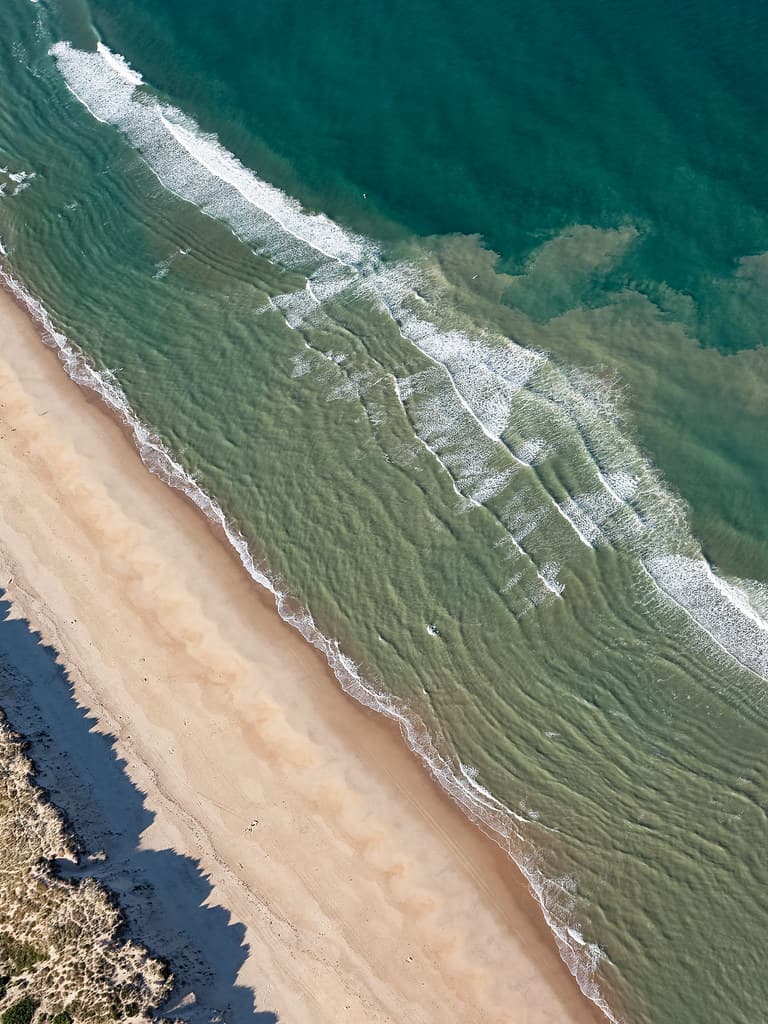
The drive through La Palmyre's maritime pine forest ends abruptly at a sandy car park, where salt air replaces resin. Beyond the boardwalk, Plage de la Coubre unfurls in both directions—a blonde crescent hemmed by low dunes and anchored at its northern tip by the red-and-white striped Phare de la Coubre. Built in 1905 after three predecessors succumbed to coastal erosion, the lighthouse still watches over swells that arrive unimpeded from the mid-Atlantic. Surfers dot the line-up year-round, reading the sandbars that shift with each spring tide. On calmer afternoons, families claim pockets of sand near the forest edge, though shade is scarce and the wind rarely relents. The beach empties as you walk south toward Bonne Anse, where driftwood tangles mark the high-tide line and oyster beds shimmer across the water in the Seudre estuary. Sunset here is a study in minimalism: no cliffs, no harbour lights, just the disc of the sun sinking into grey-blue infinity while the lighthouse beam begins its sweep. Locals time their visits to the falling tide, when the beach doubles in width and tidal pools reflect the apricot sky. By dusk, you'll have sand in your shoes and the Atlantic's roar lodged firmly in your chest.
Places, rentals, tours and events within walking and driving distance of Plage de la Coubre.
Photos
Swimming at Plage de la Coubre requires caution due to strong Atlantic currents and waves typical of the Côte Sauvage. The beach is more popular with surfers than swimmers. Always check local conditions and warning flags before entering the water. Supervised areas may be limited, so stay within designated zones when lifeguards are present during summer months. The wild nature of this coast means conditions can change quickly, and rip currents are possible. Families with young children should consider calmer beaches in the area.
The best time depends on your interests. Surfers favour autumn through spring when Atlantic swells are strongest, particularly September to November and March to May. For walking the scenic coastal paths and enjoying the lighthouse area, late spring (May-June) and early autumn (September) offer pleasant weather with fewer crowds. Summer (July-August) brings warmer temperatures ideal for sunbathing, though the beach attracts more visitors. Sunset visits are spectacular year-round, as the west-facing orientation provides dramatic Atlantic views.
Plage de la Coubre is located near La Tremblade on the western tip of the Arvert peninsula. By car, follow signs toward La Palmyre and then the Phare de la Coubre (lighthouse). Parking areas are available near the beach and lighthouse. The beach is accessible via forest paths through pine woods. No direct public transport serves the beach, so a car or bicycle is recommended. The area is part of the Forêt de la Coubre, so expect some walking from parking areas through scenic coastal pine forest.
The nearest accommodation and dining options are in La Palmyre resort town (approximately 3-5km away) and La Tremblade. La Palmyre offers hotels, holiday rentals, and campsites to suit various budgets, plus restaurants and cafés. The beach itself has limited facilities due to its wild character, so bring supplies for the day. Nearby towns like Ronce-les-Bains also provide lodging options. For a more authentic experience, consider staying in La Tremblade, known for its oyster farming heritage and seafood restaurants.
Plage de la Coubre epitomizes the wild Côte Sauvage character that distinguishes this stretch from the calmer estuary beaches nearby. The beach sits within protected coastal forest and near the iconic red-and-white Phare de la Coubre lighthouse, which visitors can climb for panoramic views. The combination of powerful Atlantic surf, expansive sandy shores backed by pine forest, and dramatic sunsets creates a rugged coastal atmosphere. Unlike the family-oriented resort beaches of Royan or sheltered island beaches, La Coubre offers an unspoiled, nature-focused experience.