Counting the waves…
Counting the waves…
A refined fusion of water purity, environmental stability, and communal vibrancy for Plage de Taravo.
View MethodologyAnalyzed via live sensors and environmental data.
Wave height, wind, and atmospheric stability.
Live footfall and crowd balance metrics.
Community reviews and curated sentiment.
“Fresh water and salt water mix in visible currents just offshore. The beach sits at the transition between river delta and open coast, its character shifting with seasons and rainfall.”
Limited recent visitor reports — live OBI telemetry is your best guide for current conditions.
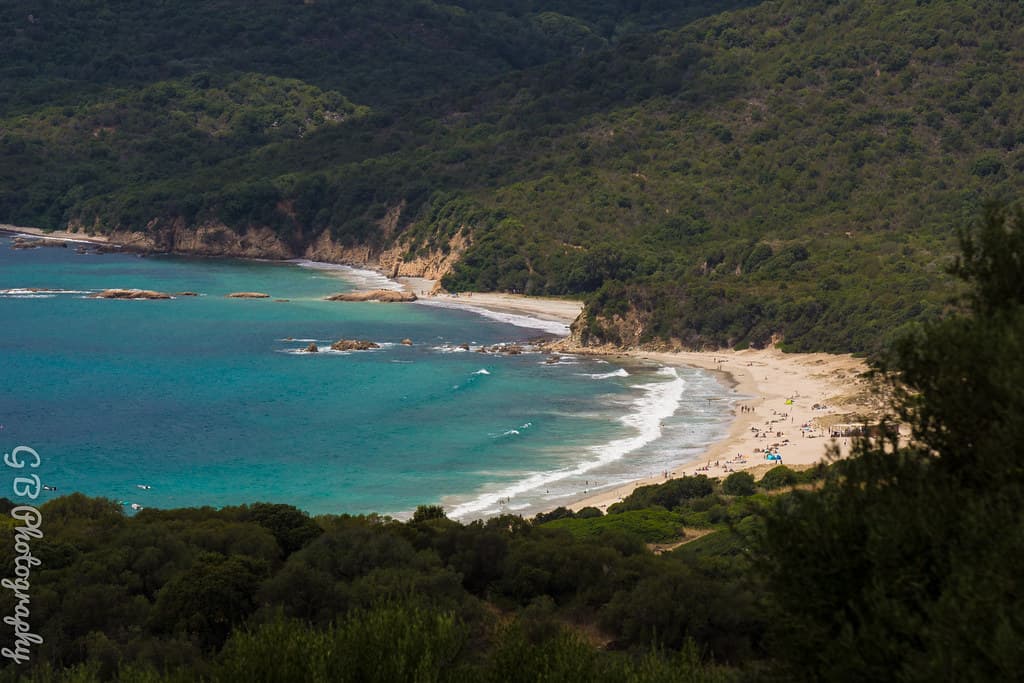
You arrive where the road ends at a rough parking area, eucalyptus trees marking the river's course inland. The beach spreads north and south from the Taravo's mouth, sand the color of wheat interrupted by driftwood carried down from the mountains during spring floods. The river emerges brown with sediment after rain, cutting a channel across the beach that shifts position daily.
Wading into the gulf, you feel the temperature change—cooler pockets where river water flows out, warmer zones fed by the shallow bay. Small wavelets fold over in irregular patterns, confused by the interaction of current and tide. Families cluster south of the river mouth where the swimming is more predictable; the northern stretch sees fewer people, the sand marked mainly by bird tracks and the occasional dog walker.
 Credit: Unsplash
aerial photography of seashore
 Credit: Unsplash
people on beach during daytime
River current meets gulf
Natural windbreaks, scattered shade
Green banks, bird watching
Prime Visitation
Best Weather|Less Crowds
Where it is
Plage de Taravo
Serra-di-Ferro, Corse-du-Sud, France
41.700400°, 8.793800°
Weather
Loading…
Swell
—
Temp
Warm · Restorative
UV Index
Moderate
Wind
—
Tidal State
Last known
Max Sunlight
—
Ideal Shade
—
May - Sep (Peak)
Jan - Dec (Off-season)
Best Weather|Less Crowds
Near Plage de Taravo
Explore dining, stays, nightlife, and activities near Plage de Taravo in Serra-di-Ferro, France. Every listing below is a real place linked to this beach — open a card for reviews, maps, and booking options.
Food, cafés, and dining close to Plage de Taravo — curated from places linked to this beach.
Stays and lodging options near Plage de Taravo for your beach trip.
Activities, tours, and attractions near Plage de Taravo.
Select a category to load nearby places.
Unlock restaurants, luxury stays and curated maritime experiences within 2km
Plage de Taravo requires extra caution as it sits near the mouth of the Taravo River, which can create variable currents where freshwater meets the sea. Conditions change with river flow and tides, so assess water movement before entering. The sandy beach is suitable for families, but supervise children carefully. No lifeguards are typically present at this natural, undeveloped beach. Swimming is generally safest during calm weather and at low river flow. The mixing of river and sea water can create cooler temperatures and reduced visibility compared to open-coast beaches.
Visit Plage de Taravo in June or September for optimal conditions with fewer visitors. Early morning offers the calmest seas and best light for photography of this scenic coastline. The beach's natural setting means it remains peaceful even in July-August, though mornings are always quieter. Spring visits showcase the surrounding vegetation, while autumn brings warm water temperatures and stable weather. Avoid periods of heavy rain when river discharge can affect water clarity and swimming conditions. The beach's orientation provides good afternoon sun, making late-day visits particularly pleasant for sunbathing.
Plage de Taravo is accessed via the coastal road near Serra-di-Ferro, positioned between Porto Pollo and the Olmeto beach areas. A car is essential as public transport is virtually nonexistent in this rural stretch. From Propriano, drive north along the coastal route; signage may be limited. The beach lies along the natural coast near where the Taravo River meets the gulf. Parking is informal, typically along the roadside near beach access points. The drive offers scenic views of the Valinco Gulf. Check local directions as smaller beaches sometimes have multiple access points.
Plage de Taravo is a natural beach with minimal commercial development directly on-site. The nearby village of Serra-di-Ferro offers some accommodations and dining options, though choices are limited compared to larger towns. Porto Pollo to the north and Propriano to the south provide fuller ranges of restaurants, hotels, and vacation rentals within 15-20 minutes' drive. Plan to bring food, water, and shade as beach services are absent. The area attracts visitors seeking authentic Corsican coastal experiences away from resort infrastructure. Small guesthouses and rural accommodations suit the quiet character of this coastline.
Plage de Taravo's position at the Taravo River mouth creates a distinctive natural environment where river ecosystem meets Mediterranean coast. This location attracts different bird species and creates unique coastal vegetation compared to purely marine beaches. The beach fills an important geographic gap between better-known beaches, offering a truly undeveloped stretch of Corsican coastline. Its natural character appeals to travelers seeking authentic, uncommercialized beach experiences. The river influence creates interesting water dynamics and landscapes, though it also requires swimmers to be more aware of changing conditions than at standard beaches.
Photos