Counting the waves…
Counting the waves…

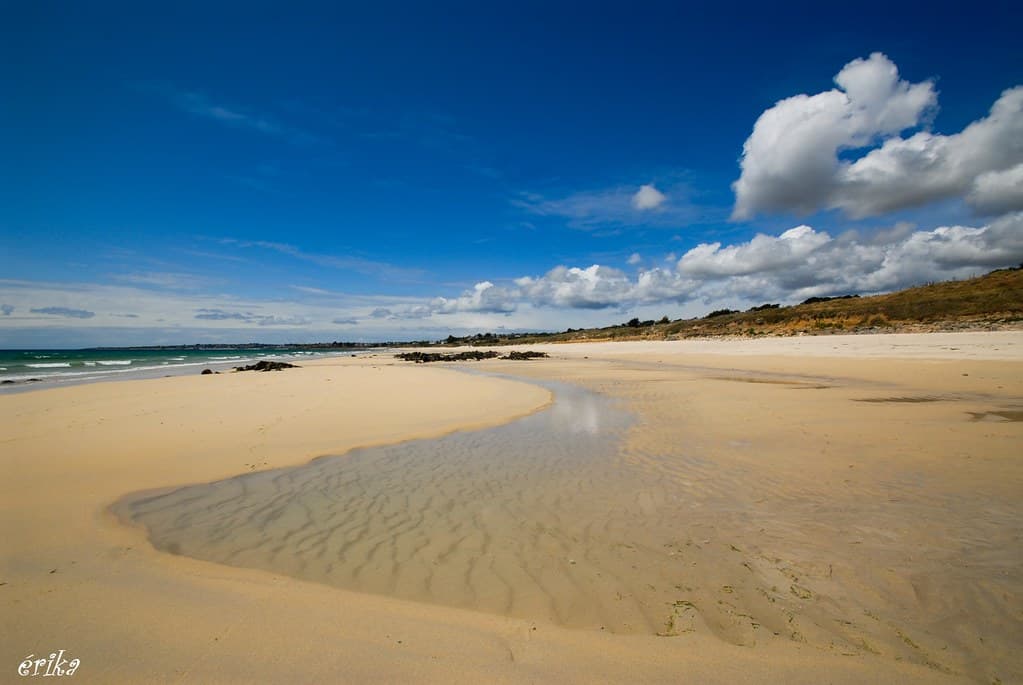
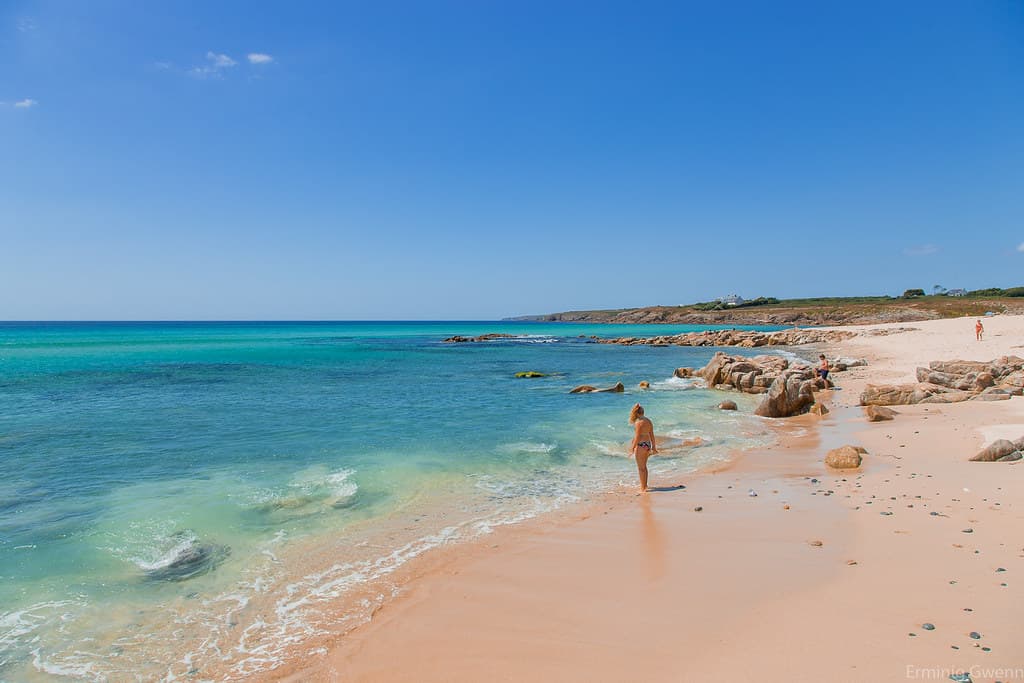
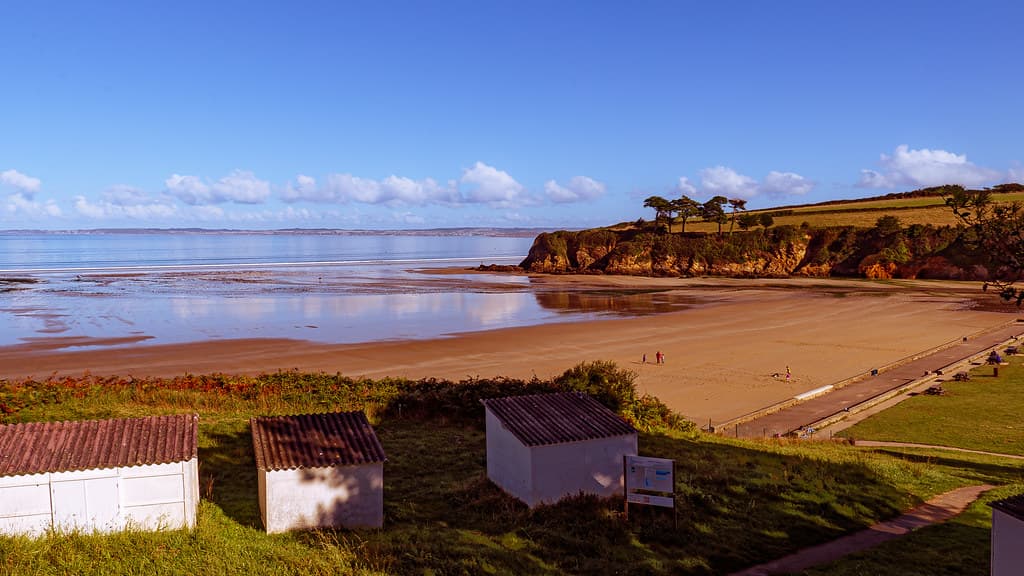
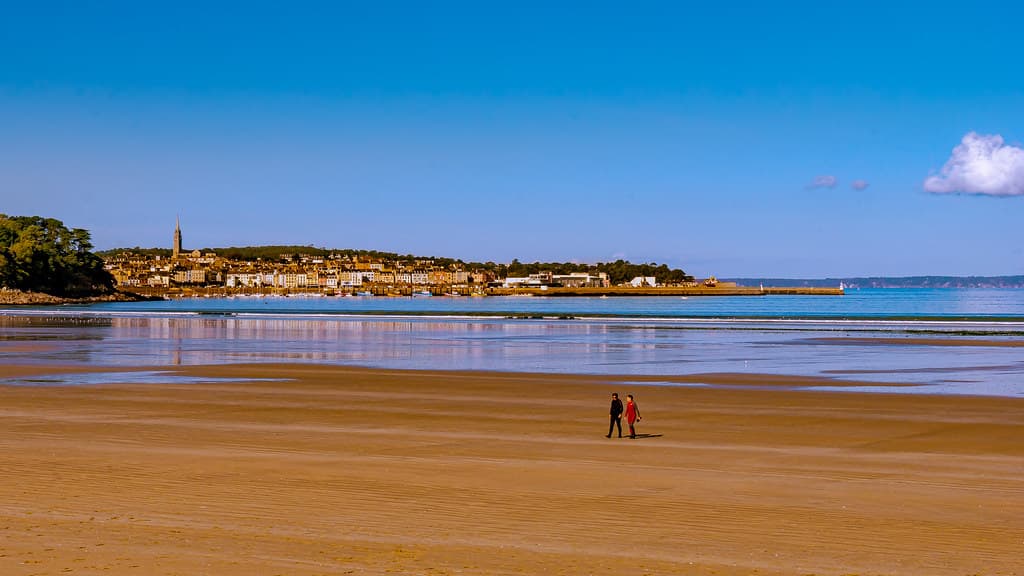
You descend a gentle slope from the parking area, past wind-bent tamarisk and the stone seawall where teenagers perch with paper cones of frites, and suddenly the beach opens wide—a half-moon of fine sand that runs nearly a mile along Audierne Bay. The water here is alive: green-gray on overcast mornings, flashing cobalt when the sun cuts through, always muscular with swell rolling in from the open Atlantic. Families stake out the southern end near the sailing club, laying down checked blankets weighted with river stones, while surfers cluster north where the sandbars sculpt rideable peaks. The promenade hums with the particular energy of a working beach town—no boutique umbrellas, just locals walking their terriers, retirees reading Ouest-France on benches, and the occasional fish truck selling bar and lieu jaune straight from the morning's catch. When the tide retreats, it leaves behind ribbed flats studded with razor-clam shells and the occasional stranded spider crab, and you'll see children in wellies conducting serious excavations with plastic spades. By late afternoon the light turns amber, pouring across the Crozon Peninsula's distant cliffs and setting the breaking waves aglow. The beach empties slowly—wetsuits peeled off beside hatchbacks, sand shaken from towels—but a few stragglers always remain, unwilling to leave until the sun finally drops behind Pointe du Raz and the first lights blink on in Douarnenez's harborfront windows.
Places, rentals, tours and events within walking and driving distance of Plage du Ris.
Photos
Plage du Ris is generally a safe family-friendly beach with lifeguard supervision during summer months (typically July-August). The beach features a sheltered bay with calmer waters compared to exposed Atlantic beaches, making it suitable for children and less confident swimmers. However, the beach also attracts surfers when swells pick up, particularly during autumn and winter. Always check local flag warnings before swimming, as Atlantic conditions can change quickly. The sandy beach slopes gently into the water, providing good visibility of depth changes.
Plage du Ris is accessible year-round, with each season offering different appeals. Summer (June-September) provides warmest weather and water temperatures around 17-19°C, ideal for families and swimming. Spring and autumn offer milder crowds and pleasant walking conditions, while winter attracts surfers seeking larger swells. The beach is renowned for spectacular sunsets throughout the year. July and August are busiest with full amenities operating. For a balance of good weather and fewer visitors, June and September are excellent choices, with temperatures around 18-22°C.
Plage du Ris is located on the southern edge of Douarnenez, easily accessible by car via the D7 coastal road. Free parking is available at several lots directly adjacent to the beach, though spaces fill quickly during summer peak season. The beach is approximately 3km from Douarnenez town centre, reachable by a scenic coastal walk or short drive. Local buses serve the area during summer months. If parking is full, additional spaces can be found along nearby streets. The beachfront has a pedestrian promenade connecting to other coastal paths.
Plage du Ris offers good facilities including public toilets, showers, and seasonal lifeguard stations. The beachfront promenade features several cafés, creperies, and restaurants serving fresh seafood and traditional Breton cuisine, mostly open Easter through September. A sailing school operates during summer offering lessons and equipment rental. Nearby accommodation ranges from beachfront hotels to vacation rentals and campsites within walking distance. The main town of Douarnenez, 3km away, provides supermarkets, bakeries, and additional dining options. Beach chairs and umbrellas can be rented during peak season.
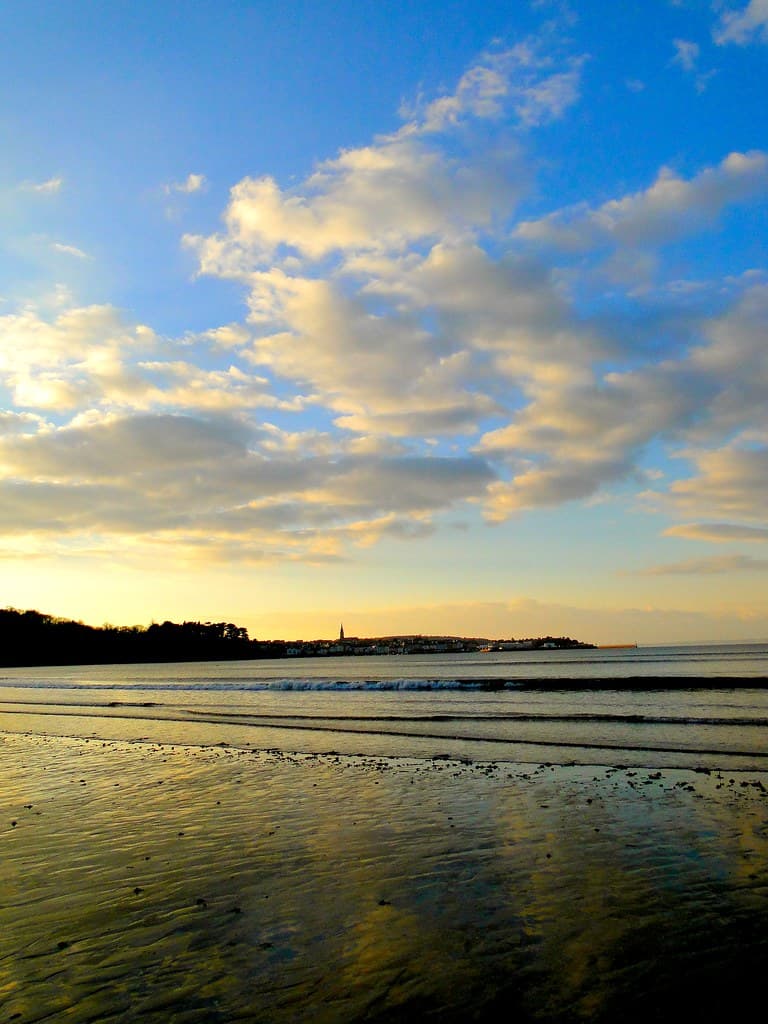
Plage du Ris faces west across Douarnenez Bay toward the Crozon Peninsula, creating an unobstructed horizon perfect for watching the sun set over the Atlantic Ocean. The bay's orientation and surrounding headlands frame the sunset, often producing dramatic colour displays reflecting off the water. Many visitors specifically time their beach visits for evening hours to witness this natural spectacle. The beachfront promenade and café terraces provide ideal vantage points. This westward exposure, combined with Brittany's maritime climate and cloud formations, creates particularly photogenic conditions throughout the year.