Counting the waves…
Counting the waves…

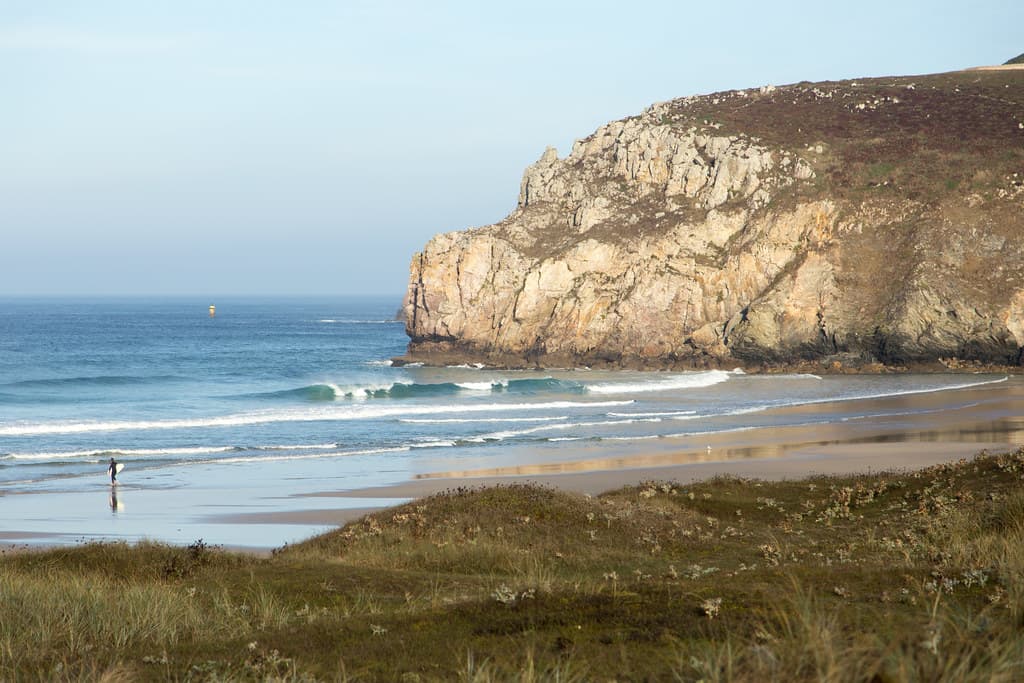
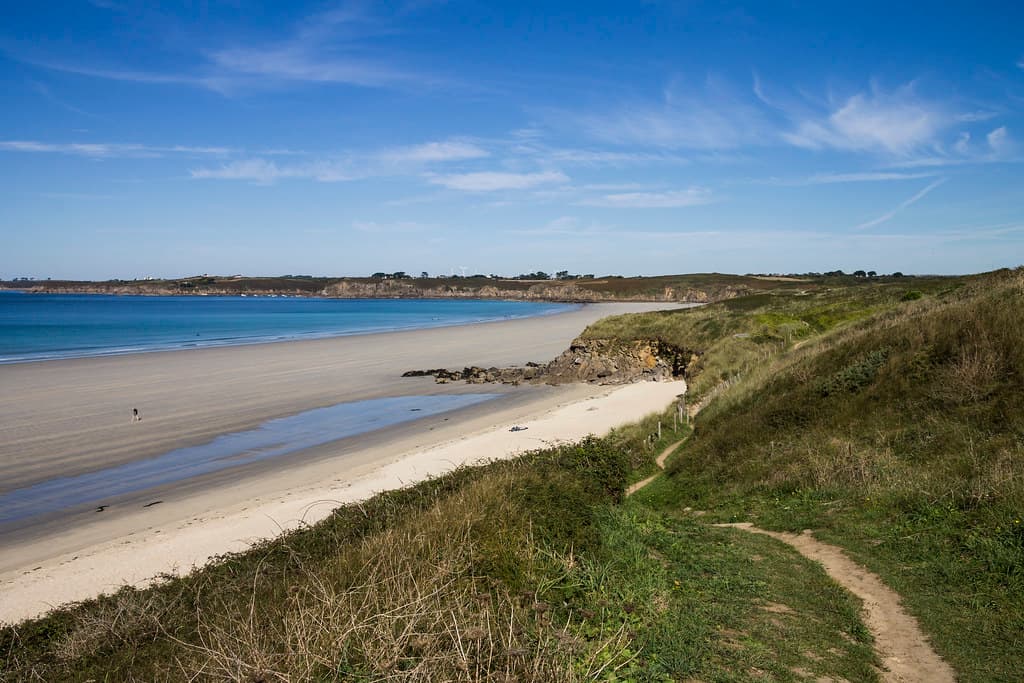
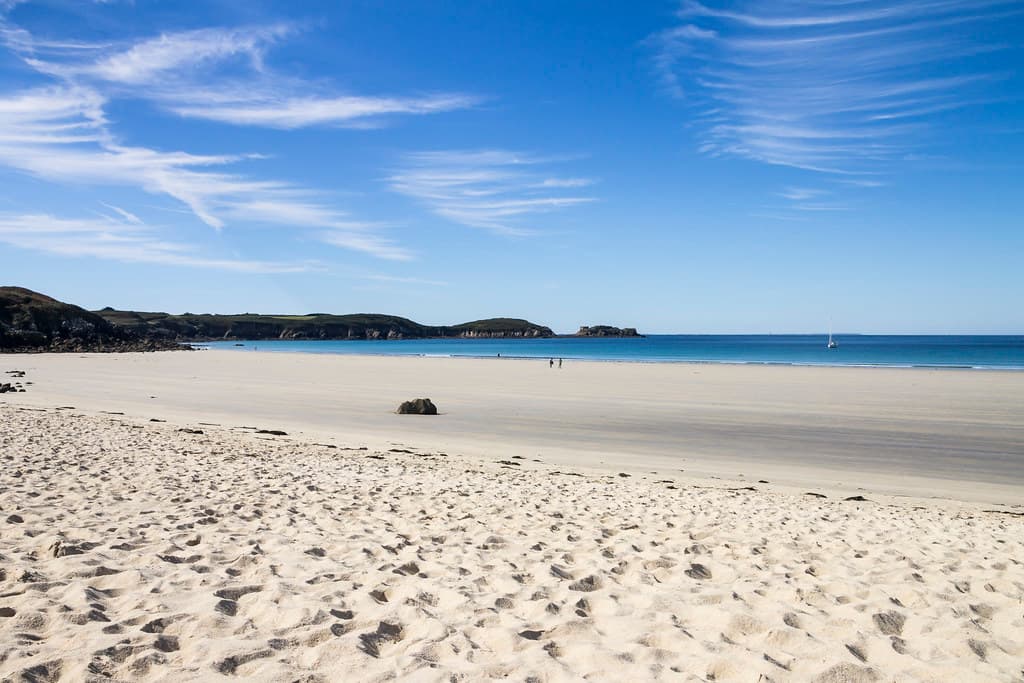
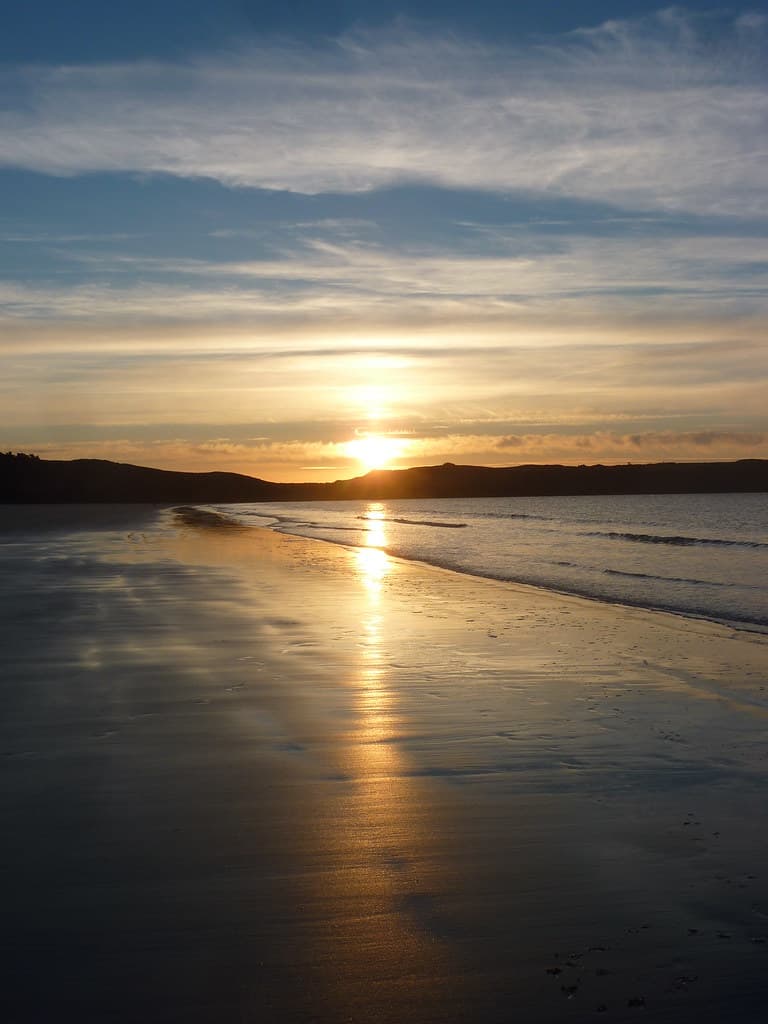
The white sand—fine-grained, almost flour-soft beneath your feet—gives Plage des Blancs Sablons its name and its unexpected Mediterranean feel, though the brisk westerly wind and the kelp-scented air remind you this is Brittany's wildest edge. At low tide, the beach stretches nearly a kilometre, revealing tide pools studded with mussels and anemones. The dunes behind you rustle with marram grass, anchoring the sand against Atlantic gales that have shaped this coastline for millennia. Surfers dot the northern section year-round, paddling out where the Pointe de Kermorvan's granite shoulder creates a dependable break. Families stake out the calmer southern stretch, where the slope is gentle and lifeguards patrol in summer. Dog walkers appear at dawn and dusk, their retrievers bounding through the shallows, and on clear days the silhouette of Ouessant island hovers on the horizon like a grey whale. As afternoon softens into evening, you understand why locals drive from Brest just for the sunset here. The sky ignites—coral, then amber, then violet—and the lighthouse on Kermorvan blinks to life. Cars idle in the beach car park, their occupants unwilling to leave until the last thread of light dissolves into the Atlantic. This is the beach that defines the Léon coast: beautiful, accessible, untamed enough to remind you the ocean always wins.
Places, rentals, tours and events within walking and driving distance of Plage des Blancs Sablons.
Photos
Plage des Blancs Sablons is generally safe for swimming during calm conditions, but caution is essential. The beach faces the Atlantic Ocean and can experience strong currents, waves, and undertows, particularly during incoming tides and storms. Lifeguards patrol during summer months (typically July-August). The beach is popular with surfers due to consistent swells, which indicates wave activity. Always check local tide tables, observe warning flags, and swim in designated areas. Families with young children should stay close to shore during calmer periods and avoid swimming during rough weather or strong winds.
Plage des Blancs Sablons can be enjoyed year-round, with each season offering different experiences. Summer (June-September) provides the warmest weather and calmest seas, ideal for families and swimming, though crowds peak in July-August. Spring and autumn offer milder temperatures, fewer visitors, and good conditions for surfing and coastal walks. Winter brings dramatic scenery and powerful waves attractive to experienced surfers, but expect cooler temperatures and windier conditions. For spectacular sunsets over the Atlantic, late spring through summer evenings are particularly stunning, with long daylight hours enhancing the experience.
Plage des Blancs Sablons is located just outside Le Conquet in Finistère, approximately 25km west of Brest. By car, follow signs to Le Conquet, then Plage des Blancs Sablons; the journey from Brest takes roughly 30 minutes. A large free parking lot is available directly adjacent to the beach, though it fills quickly during peak summer days and weekends—arrive early for guaranteed spots. Public transportation options from Brest exist but are limited; check local bus schedules in advance. The beach is easily accessible on foot from the parking area.
Plage des Blancs Sablons has basic facilities including public restrooms and outdoor showers. A beachfront café-restaurant operates seasonally, serving refreshments and meals with ocean views. For more dining options, the charming port town of Le Conquet is just 2km away, offering seafood restaurants, crêperies, cafés, bakeries, and small grocery stores. Accommodation options nearby include hotels, vacation rentals, and campsites in Le Conquet and surrounding areas. During peak season, beach equipment rentals may be available. For comprehensive shopping or services, Brest is the nearest major town, 25km away.
Yes, Plage des Blancs Sablons offers stunning views of the Pointe Saint-Mathieu lighthouse and ruins of an ancient abbey perched on dramatic cliffs just south of the beach. This iconic landmark is visible from the shoreline and creates a spectacular backdrop, particularly atmospheric during sunsets. The lighthouse sits approximately 2-3km away and is easily accessible by car or coastal footpath for those wanting a closer look. These historic ruins date back centuries and are among Brittany's most photographed sites. The combination of wide sandy beach and this historic lighthouse vista makes the location especially scenic and unique.