
Counting the waves…
Counting the waves…

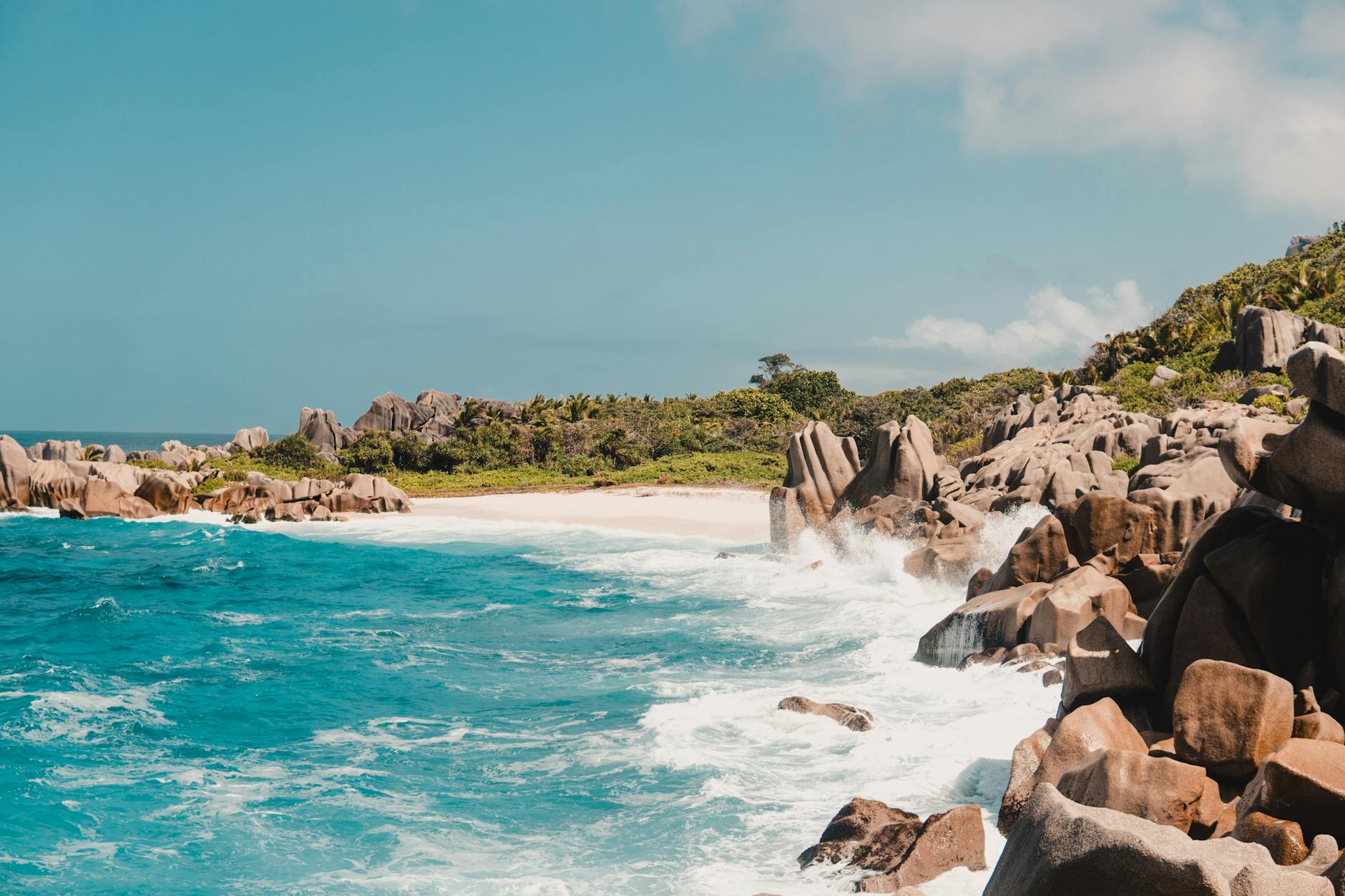
Anse de Bovis sits in the embrace of two wooded headlands that turn the cove into a theater for Guadeloupe's most reliable sunsets. The sand here isn't quite black—more the color of wet slate—and cool even at noon where the mangrove canopy extends its shadow. Hermit crabs patrol the tide line, their borrowed shells clicking against volcanic pebbles mixed with the sand. The snorkeling starts where the sand yields to scattered coral bommies twenty yards offshore. You fin over gardens of staghorn and elkhorn, their branches swaying in the gentle current, while blue tangs graze the algae-covered surfaces. A hawksbill turtle might glide past, indifferent to your presence, its shell mottled brown and gold in the filtered light. The water clarity shifts with the tide—crystalline at slack, slightly clouded when the current runs. As the sun descends, the mangroves behind you darken to silhouettes while the sky ignites—first gold, then salmon, finally a violet that seems to emanate from the water itself. Pelicans return to roost in the mangrove branches, their wings backlit as they settle. The temperature drops ten degrees in as many minutes, and the evening's first mosquitoes rise from the wetland.
Places, rentals, tours and events within walking and driving distance of Anse de Bovis.
Photos
Swimming safety at Anse de Bovis depends on current weather and sea conditions. As a compact cove on Basse-Terre's southwest coast, it offers some natural shelter, but like all beaches in this area, conditions can vary. Always assess waves, currents, and water clarity before entering, and never swim alone. There are no lifeguards on duty. Calm days during the dry season (December to May) typically provide the safest swimming conditions. Be cautious of rocks along the shoreline and in the water. Check local weather forecasts and heed any warnings from residents or posted signs.
The best time to visit Anse de Bovis is during Guadeloupe's dry season from December through May, when you'll experience more sunshine, calmer seas, and better overall beach conditions. This period also offers the best opportunities for snorkeling with improved water clarity. For fewer crowds, consider visiting during shoulder months (November or June) or on weekdays rather than weekends when locals may visit. The wet season (July to November) brings higher rainfall, rougher seas, and is also hurricane season, making beach conditions less predictable. Early mornings generally provide the most peaceful atmosphere year-round.
Anse de Bovis is located in Baillif on Basse-Terre's southwest coast. A rental car is strongly recommended, as public transportation to small beaches is limited. From Pointe-à-Pitre or Grande-Terre, drive to Basse-Terre island via the Route de la Traversée or the coastal road. Once in or near Baillif, you may need to ask locals for specific directions to this small cove, as it's not a major tourist destination. GPS and map apps can help but may require the exact name. Expect limited, informal parking near the beach. The journey offers scenic views of Basse-Terre's mountainous, tropical landscape.
Anse de Bovis itself has no restaurants, shops, or accommodation facilities. Baillif is a small town with limited tourist infrastructure, though you may find local eateries serving Creole food or small shops for basic supplies. For a wider range of restaurants and hotels, visit nearby Basse-Terre (the island's capital) or other larger towns along the coast. Most visitors to this area stay in accommodations elsewhere and visit as a day trip. Always bring your own food, drinks, and beach essentials when visiting remote beaches. This lack of development preserves the cove's natural, authentic character.
Anse de Bovis offers an authentic, low-key beach experience far from typical tourist routes. Its compact size and location in quiet Baillif mean you'll likely have the cove largely to yourself, especially on weekdays. The west-facing orientation provides beautiful sunset views over the Caribbean Sea when weather permits. The surrounding scenery showcases Basse-Terre's volcanic character with lush green mountains meeting dark sand shores. The beach's undeveloped nature means you experience Guadeloupe's coastline in a more natural state. It's ideal for travellers who value solitude, scenic beauty, and discovery over amenities and crowds.