
Counting the waves…
Counting the waves…

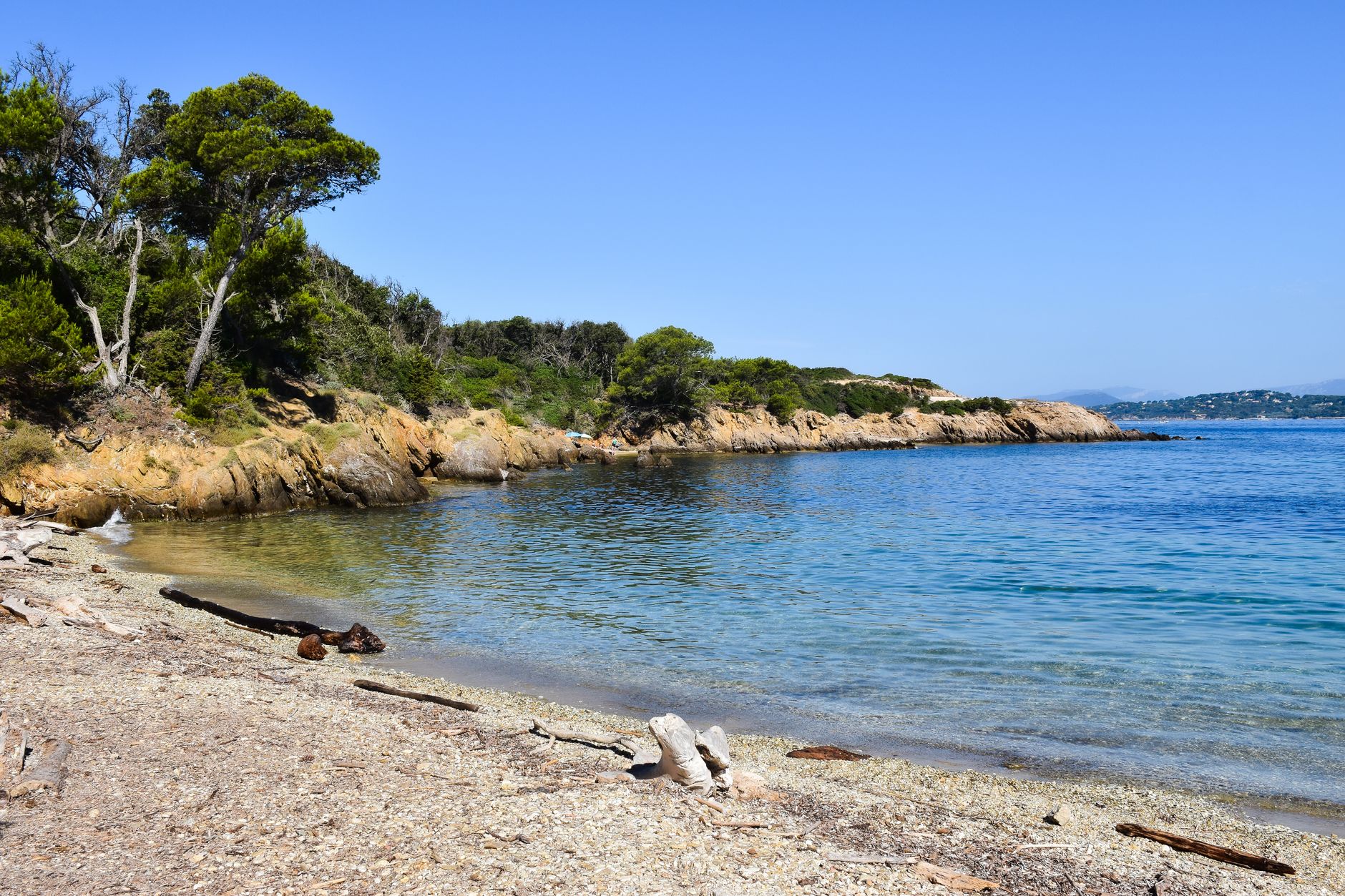
Anse Marguerite exists in the gap between destinations, claimed by no one's itinerary and all the better for it. You'll recognize it by the cluster of almond trees leaning over the sand, their roots exposed where storms have carved the bank. The beach curves gently, protected from direct ocean swells by offshore reefs that break the Atlantic's momentum into manageable rollers. On calm days, the water surface dimples and smooths like hammered metal. Wade in and the sand bottom slopes gradually before giving way to coral rubble and then the reef proper. Here's where you'll want your fins and mask—the coral fingers run roughly parallel to the beach, creating channels where parrotfish graze algae and damselfish defend their territories with surprising aggression for fish the size of your palm. Trumpet fish hang vertically among the coral branches, swaying with the surge, and if you're patient and quiet, you might spot an octopus reorganizing the rocks of its den. The beach attracts a particular type of visitor: readers who prop books against driftwood, sketchers capturing the tree line, locals who've learned that Thursday afternoons somehow stay emptier than weekends. You'll see the occasional dog bounding into the shallows, and fishermen casting from the rocks at the cove's eastern point. But mostly, you'll have room to spread out and pretend you discovered this place yourself.
Places, rentals, tours and events within walking and driving distance of Anse Marguerite.
Photos
Anse Marguerite is a north-coast cove that generally offers calmer conditions than the fully exposed Atlantic beaches, though conditions vary with weather and swell. The cove's protected shape can provide reasonable swimming conditions, particularly on calmer days. However, the north coast of Grande-Terre can still experience waves and currents, so always assess conditions upon arrival. For snorkeling, look for rocky areas that may harbor marine life, but be cautious of sea urchins and sharp coral. Avoid entering the water if waves are large or conditions appear rough. There are no lifeguards, so swim at your own risk.
Visit Anse Marguerite during Guadeloupe's dry season (December through May) for the most reliable weather and clearer waters for snorkeling. The beach sees fewer crowds year-round due to its overlooked location between Le Moule and Porte d'Enfer. Weekdays are quietest, offering a more private experience. Early morning visits provide the best light and calmest seas. Since it's a hidden cove without major facilities, timing your visit during daylight hours is essential. The shoulder months of November and June can offer good conditions with even fewer visitors, though occasional rain showers are possible.
Reaching Anse Marguerite requires a rental car, as it's a quiet cove between Le Moule and the dramatic Porte d'Enfer (Gate of Hell) area on Grande-Terre's north coast. From Le Moule, drive northwest along the coastal road (D123), watching for small access points or local signage. The beach may not be clearly marked on all maps, so GPS coordinates or detailed local directions are helpful. Parking is typically informal near the beach access. The road may be narrow in sections. Since it's an overlooked spot, expect minimal infrastructure and plan accordingly with supplies and navigation tools.
Anse Marguerite is a quiet, undeveloped cove with essentially no on-site facilities. Don't expect restrooms, showers, restaurants, or beach bars. Bring everything you'll need for the day, including plenty of water, snacks or meals, sunscreen, and shade (umbrella or tent). The nearest services are in Le Moule, several kilometers south, where you'll find supermarkets, local restaurants, and basic amenities. For accommodation, Le Moule offers some options, or you might stay in larger towns like Saint-François and visit as a day trip. Always pack out your trash to preserve the cove's pristine character.
Anse Marguerite's main appeal lies in its quiet, often-overlooked location along a scenic stretch of Grande-Terre's rugged north coast. Unlike the busy beaches of southern Grande-Terre, this cove offers solitude and a sense of discovery for travelers willing to venture off the beaten path. The dramatic coastline between Le Moule and Porte d'Enfer features striking geological formations and wild beauty. Snorkeling opportunities in the cove's rocky areas can reveal marine life away from crowds. It's ideal for travelers seeking authentic, uncommercialized Guadeloupe and those exploring the island's lesser-known northern shores.