Counting the waves…
Counting the waves…

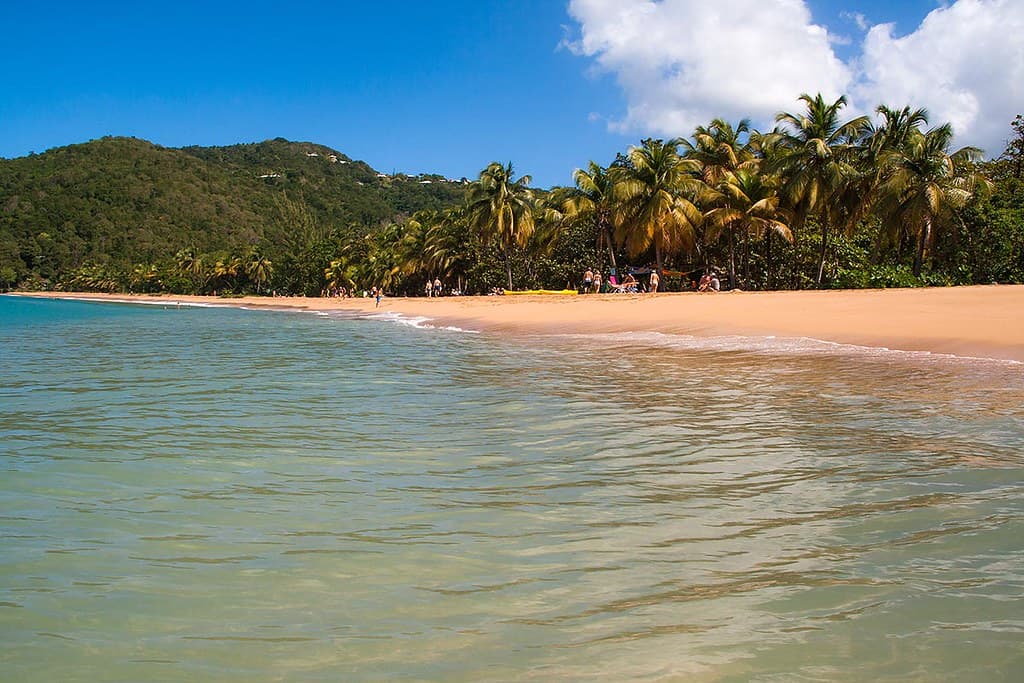
The road descends in lazy curves past roadside stands selling sorrel juice and passion fruit, the pavement narrowing until branches scrape both mirrors. You park in a gravel turnout marked only by tire ruts, then follow a footpath that cuts between papaya trees heavy with green fruit. The beach opens abruptly: a wide bow of dark sand that glitters with flecks of mica, the surf a low rumble against the outer reef. What sets this cove apart are the lava formations that bracket the southern end—weathered tubes and arches where the Caribbean punches through with explosive force, sending spray ten meters into the air. The locals call them "les souffleurs," and they perform best at high tide when the swell has enough mass to compress and vent. You wade in where the sand slopes gently, the water clear enough to count the spines on sea urchins tucked into reef crevices a body-length below. By early afternoon the beach belongs to a shifting crew of snorkelers working the edges of the reef, their fins breaking the surface as they dive for a closer look at a moray or lobster. The sand retains heat like asphalt, making the shaded patches beneath the sea-grape islands of relief. You float on your back, ears submerged, listening to the amplified clicks and grunts of parrotfish grazing on coral, the whole reef breathing and feeding around you.
Places, rentals, tours and events within walking and driving distance of Anse Guyonneau.
Photos
Anse Guyonneau offers generally calm conditions suitable for swimming and snorkeling, particularly during the dry season from December to May. The cove's protected position helps shelter it from strong currents. However, always assess conditions on arrival, as Caribbean waters can be unpredictable. Watch for sea urchins on rocky areas and avoid touching coral. There are no lifeguards on duty, so swim within your ability level. The snorkeling can be rewarding near rocky outcrops, but bring your own equipment as rental facilities are not available on-site.
The best time to visit Anse Guyonneau is during Guadeloupe's dry season from December through May, when you'll encounter calmer seas, less rainfall, and excellent visibility for snorkeling. Early morning or late afternoon visits offer cooler temperatures and beautiful light for photography. Weekdays see fewer visitors than weekends, making it easier to enjoy the cove's secluded atmosphere. The shoulder months of November and June can also be pleasant with fewer tourists overall, though you may encounter occasional rain showers and slightly rougher sea conditions.
Anse Guyonneau is located along the coastal road (N2) between Pointe-Noire and Deshaies on Basse-Terre's west coast. A rental car is highly recommended as public transportation to this hidden cove is limited. Look for small roadside parking areas or pull-offs along the N2; the beach access may require a short walk or scramble down to the shore. The path can be steep or uneven in places, so wear appropriate footwear. GPS coordinates or asking locals in Pointe-Noire for directions will help, as signage may be minimal for this lesser-known spot.
Anse Guyonneau itself has no on-site facilities, so plan to bring your own food, water, and beach supplies. The nearest restaurants and accommodations are in Pointe-Noire, a few kilometers south, or in Deshaies to the north, both offering Creole cuisine and fresh seafood. Small guesthouses, vacation rentals, and a few hotels can be found in these towns. For a proper meal, head to Pointe-Noire's town center or continue to Deshaies where you'll find more dining variety. Pack out all trash as waste bins are not provided at this secluded cove.
Anse Guyonneau stands out as a genuine local discovery along Basse-Terre's west coast, offering an authentic experience away from tourist crowds. Unlike the more developed beaches in Deshaies or Grande-Anse, this cove maintains its unspoiled character with minimal infrastructure. The combination of volcanic rock formations, intimate scale, and excellent snorkeling opportunities gives it real explorer appeal. It's the kind of beach locals might visit for a quiet Sunday rather than a site promoted in mainstream guidebooks, making it ideal for travelers seeking hidden gems and a more personal connection to Guadeloupe's coastline.