Counting the waves…
Counting the waves…
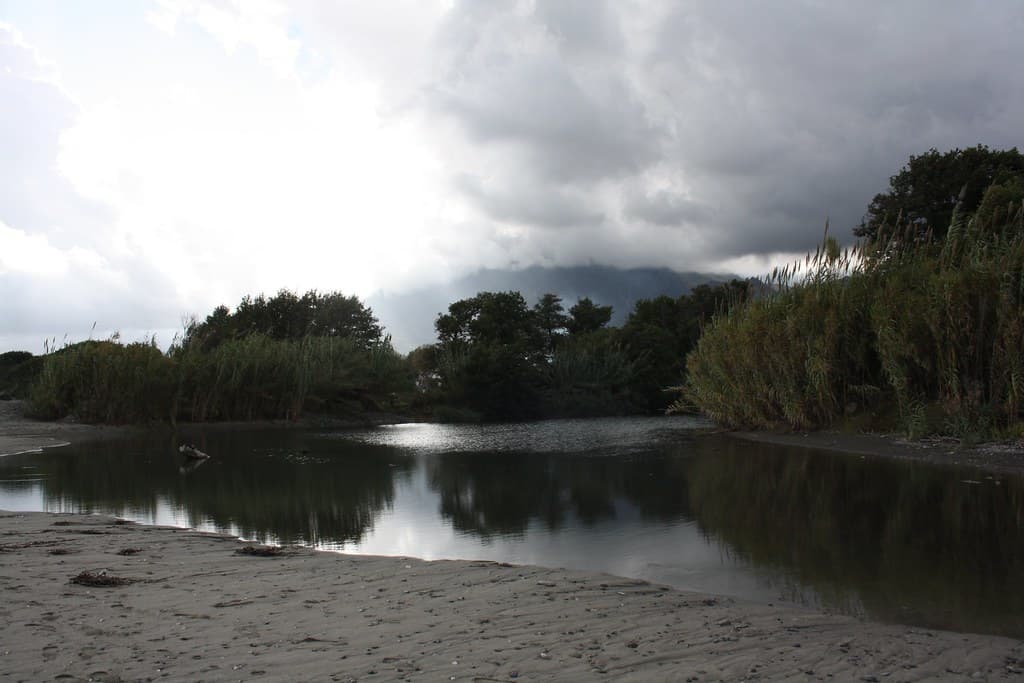
Vanga di l'Oru sits in that sweet spot of coastal geography—accessible enough to draw a modest seasonal following, secluded enough to avoid the crowds that pack the better-known strands. The approach winds through maquis, the roadside thick with rockrose and wild fennel, their scents mixing with salt air as you near the shore. Parking is informal, cars lined along a gravel shoulder where a faded sign points toward the beach access. The sand is fine and pale, the beach narrow but extending in both directions beyond the main access point. A scattering of beach umbrellas marks where families have settled, but the density never approaches the parasol forests of the larger resorts. You'll spread your towel with room to spare, the sound of conversation drifting intermittently rather than creating a constant buzz. The water deepens more quickly here than at the shallower resort beaches, the seafloor mix of sand and occasional rock creating pockets of darker blue. The eastern exposure means morning light turns the water a brilliant aquamarine, ideal for those early swims before the heat intensifies. A small seasonal snack bar operates from a converted shipping container, serving coffee and simple sandwiches with the relaxed efficiency of a operation that knows its regulars. By late afternoon shadows from the coastal ridge creep across the sand, a natural cue that the beach day is winding down, time to shake out towels and retrace your path through the maquis.
Places, rentals, tours and events within walking and driving distance of Plage de Vanga di l'Oru.
Photos
Plage de Vanga di l'Oru typically offers calm swimming conditions suitable for families, with sandy entry into the sea. Being a lesser-known beach on the north-east coast, it generally lacks formal lifeguard supervision, so swimmers should exercise caution and common sense. Check local weather forecasts and sea conditions before entering the water. The beach's sheltered position often provides gentler waves than more exposed stretches. Always be mindful of changing conditions and avoid swimming alone or during rough weather.
As a hidden gem, Plage de Vanga di l'Oru naturally sees fewer visitors than major Corsican beaches, making it ideal for those seeking tranquility. Even during July and August, it remains relatively quiet compared to tourist hotspots. For the most peaceful experience, visit during June or September when weather is still excellent but tourist numbers drop. Weekdays are generally quieter than weekends throughout the season. The beach's less-developed nature means it retains a peaceful atmosphere even during Corsica's busiest periods.
Plage de Vanga di l'Oru is located near Santa-Maria-Poggio on Corsica's north-east coast. Access is easiest by car via the RT10 coastal road. The beach may require a short walk from parking areas, and signage might be less prominent than at major tourist beaches. A rental car is highly recommended as public transport options in this area are limited. The beach's somewhat hidden nature means it's worth researching exact access points or asking locals for directions to ensure you find the right path to the shore.
Being a lesser-known beach, Plage de Vanga di l'Oru has limited on-site facilities. You'll find more services in the nearby village of Santa-Maria-Poggio or surrounding coastal communities, including small hotels, vacation rentals, and gîtes. Restaurants and cafés are available but may be seasonal, operating primarily during summer months. It's advisable to bring snacks and water for a beach day. For wider dining and shopping options, larger towns along the coast offer supermarkets and a greater variety of restaurants serving Corsican cuisine.
Plage de Vanga di l'Oru stands out for its peaceful, undiscovered character on a coastline that includes busier resort beaches. The beach offers an authentic, low-key Corsican experience without heavy development or crowds. Its sandy shore provides excellent sunbathing and swimming conditions while maintaining a natural, unspoiled atmosphere. The relative seclusion makes it perfect for travelers seeking to escape tourist masses and enjoy the Mediterranean at their own pace. This hidden quality appeals to those who value tranquility and natural beauty over extensive facilities.