Counting the waves…
Counting the waves…

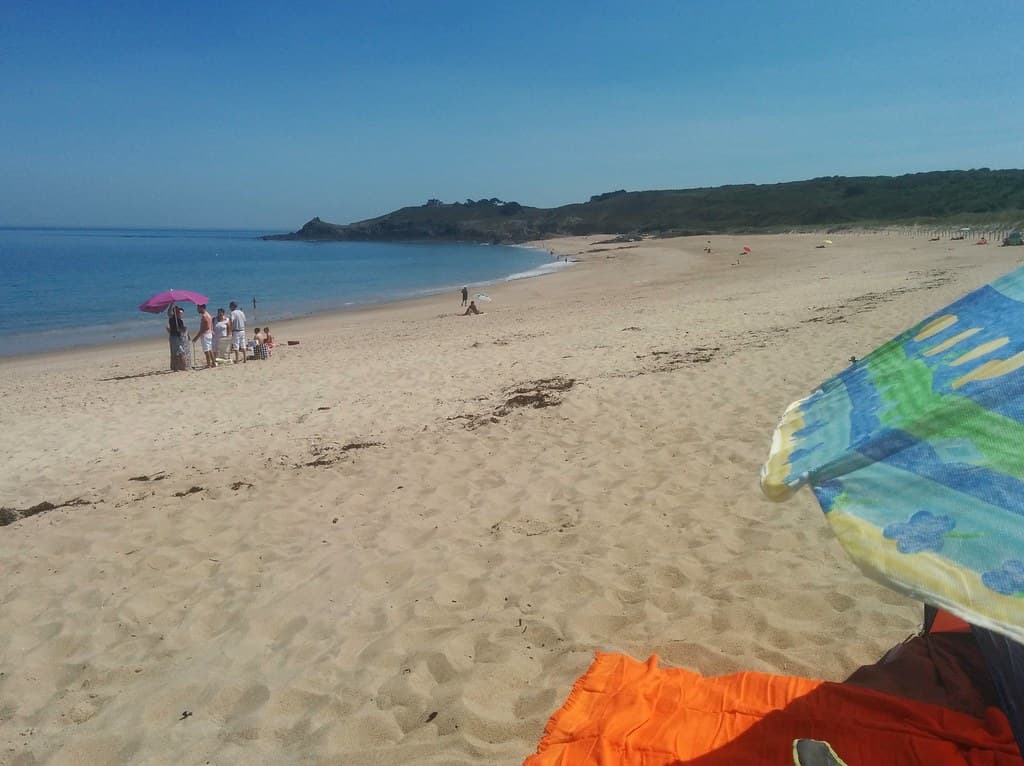
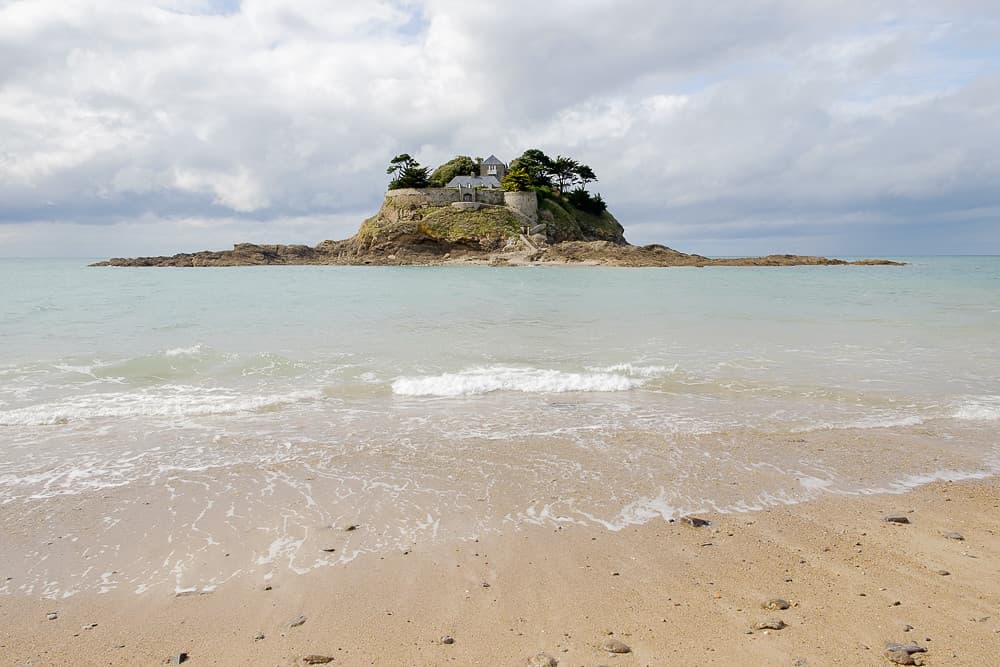
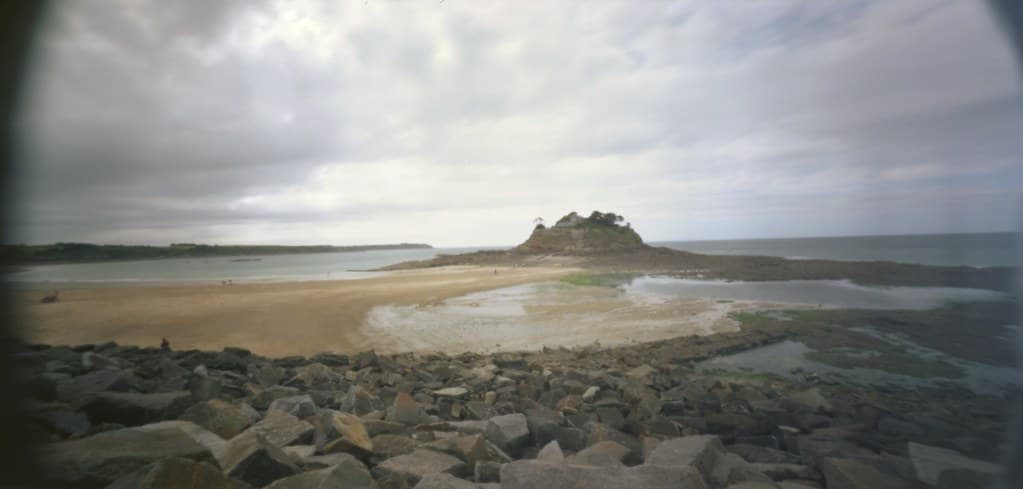
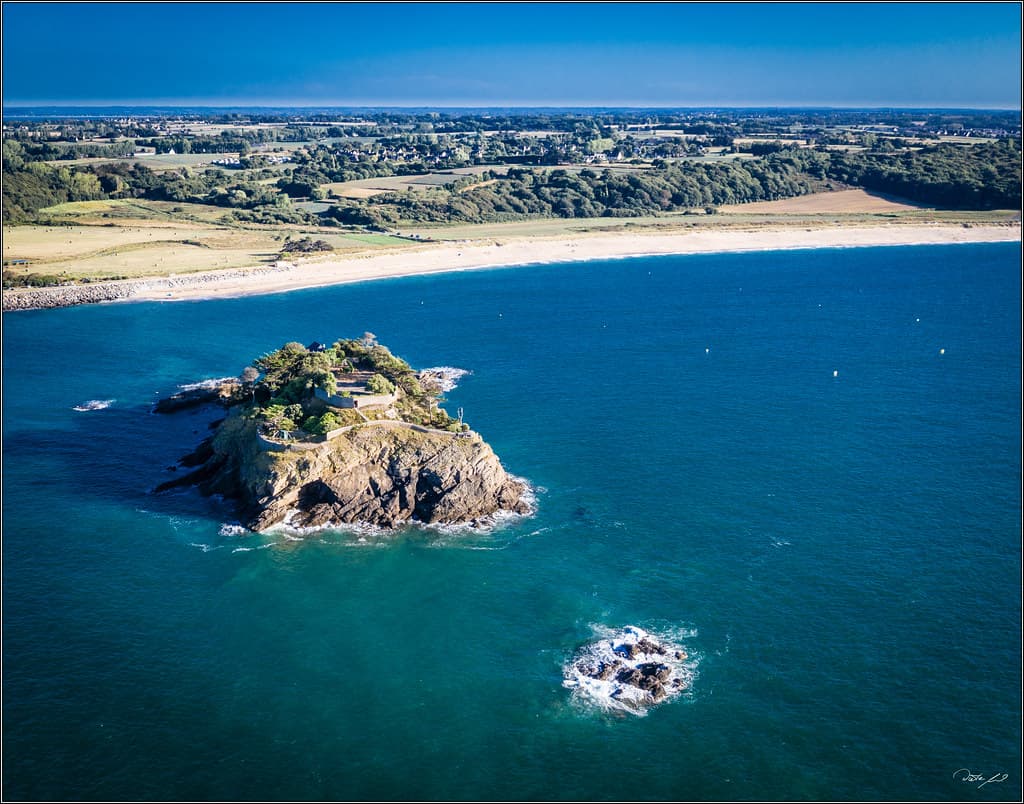
The causeway is your clock here. Twice daily, the Atlantic reclaims the stone path connecting mainland Saint-Coulomb to the beach, stranding the unwary or the careless. You learn to consult the tide tables posted at the car park, to note the waterline creeping up the rocks. When the sea retreats, it leaves behind a wide crescent of firm sand flanked by dark granite outcrops worn smooth by centuries of waves. Families spread picnic blankets near the dunes while children crouch over tide pools, nets in hand, hunting shrimp and hermit crabs. The water here is bracing even in July—this is the English Channel, after all, not the Mediterranean—but that doesn't stop the swimmers who wade in with sharp intakes of breath. To your left, the Château du Guesclin rises from its rocky island, accessible at low tide, its crenellated walls a reminder that this coast has always been contested territory. As afternoon softens into evening, the light turns the wet sand to copper and the receding tide exposes ribbons of kelp and mussel beds. Dog walkers appear, their animals racing across the hard-packed shore. The beach empties slowly, visitors checking watches and glancing toward the causeway, conscious that the sea keeps its own schedule and waits for no one.
Places, rentals, tours and events within walking and driving distance of Plage du Guesclin.
Photos
Plage du Guesclin is generally family-friendly with calm waters during low to mid-tide, making it suitable for children. However, swimming conditions vary with tides and weather. The beach has rocky areas that require supervision, especially with younger children. There's no lifeguard service year-round, so always check tide times and weather forecasts before visiting. The beach becomes completely covered during high tide, so plan your visit accordingly. Strong currents can occur, particularly during incoming tides, so stay vigilant and keep children within sight at all times.
Plage du Guesclin is accessible year-round, but late spring through early autumn (May-September) offers the warmest weather and longest days. The beach is particularly stunning at sunset, when the rocky outcrops create dramatic silhouettes. Visit during low tide to explore tidal pools and access more beach area. Summer months bring warmer water temperatures ideal for swimming, though crowds increase in July-August. Winter visits offer solitude and atmospheric seascapes but require warmer clothing. Always consult tide tables, as high tide completely submerges the beach regardless of season.
Plage du Guesclin is located in Saint-Coulomb, roughly 10 kilometers from Saint-Malo. By car, follow signs toward Saint-Coulomb and then to the beach; there's a small parking area near the beach access, which can fill quickly during summer weekends. Public transportation is limited, so driving is most convenient. From Cancale, it's about 15 minutes by car. The beach access involves a short walk down from the parking area. Arrive early in peak season to secure parking, or consider visiting during off-peak hours for easier access.
Plage du Guesclin has minimal on-site facilities—there are no restaurants, cafés, or shops directly at the beach. It's advisable to bring your own food, water, and beach essentials. The nearest amenities are in Saint-Coulomb village, approximately 2 kilometers away, where you'll find small shops and restaurants. For more extensive dining and lodging options, Saint-Malo (10 km) and Cancale (15 km) offer numerous restaurants, hotels, and vacation rentals. Public restrooms may be limited, so plan accordingly before your beach visit.
Fort du Guesclin, the historic fortified island visible from the beach, becomes accessible on foot during low tide via a natural causeway. The 15th-century fort sits dramatically on the rocky outcrop and is privately owned, so interior visits aren't typically available. However, walking to the island during low tide is a popular activity, offering excellent photo opportunities and close-up views of this picturesque landmark. Check tide schedules carefully—you'll need several hours of low tide to safely walk there and back. The crossing involves navigating rocks and sand.